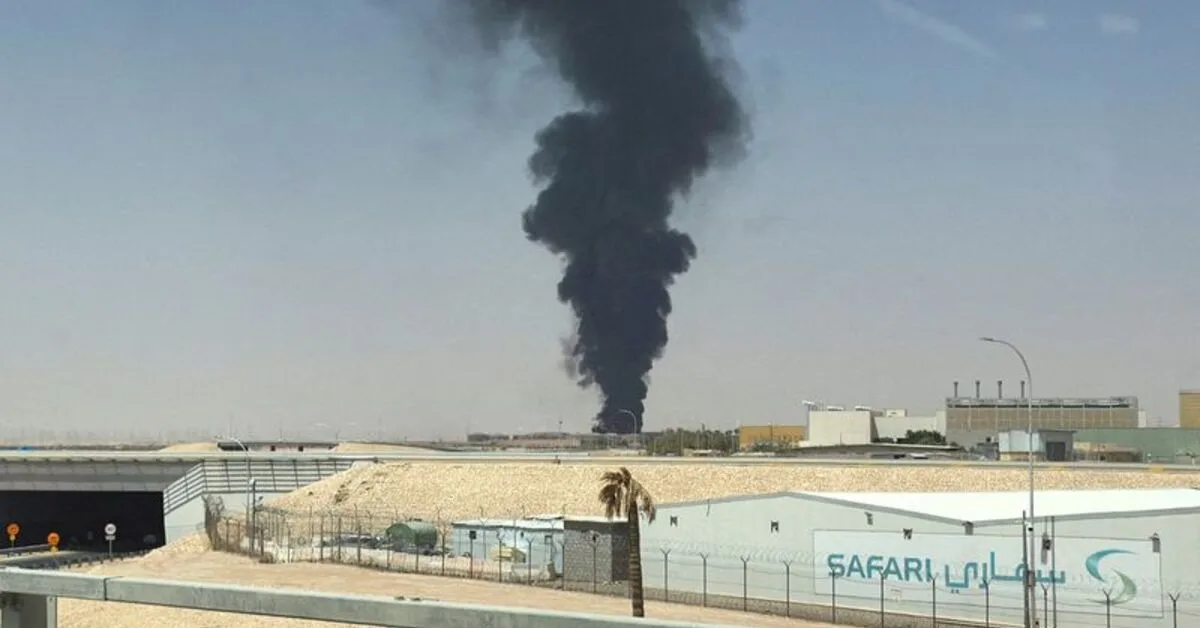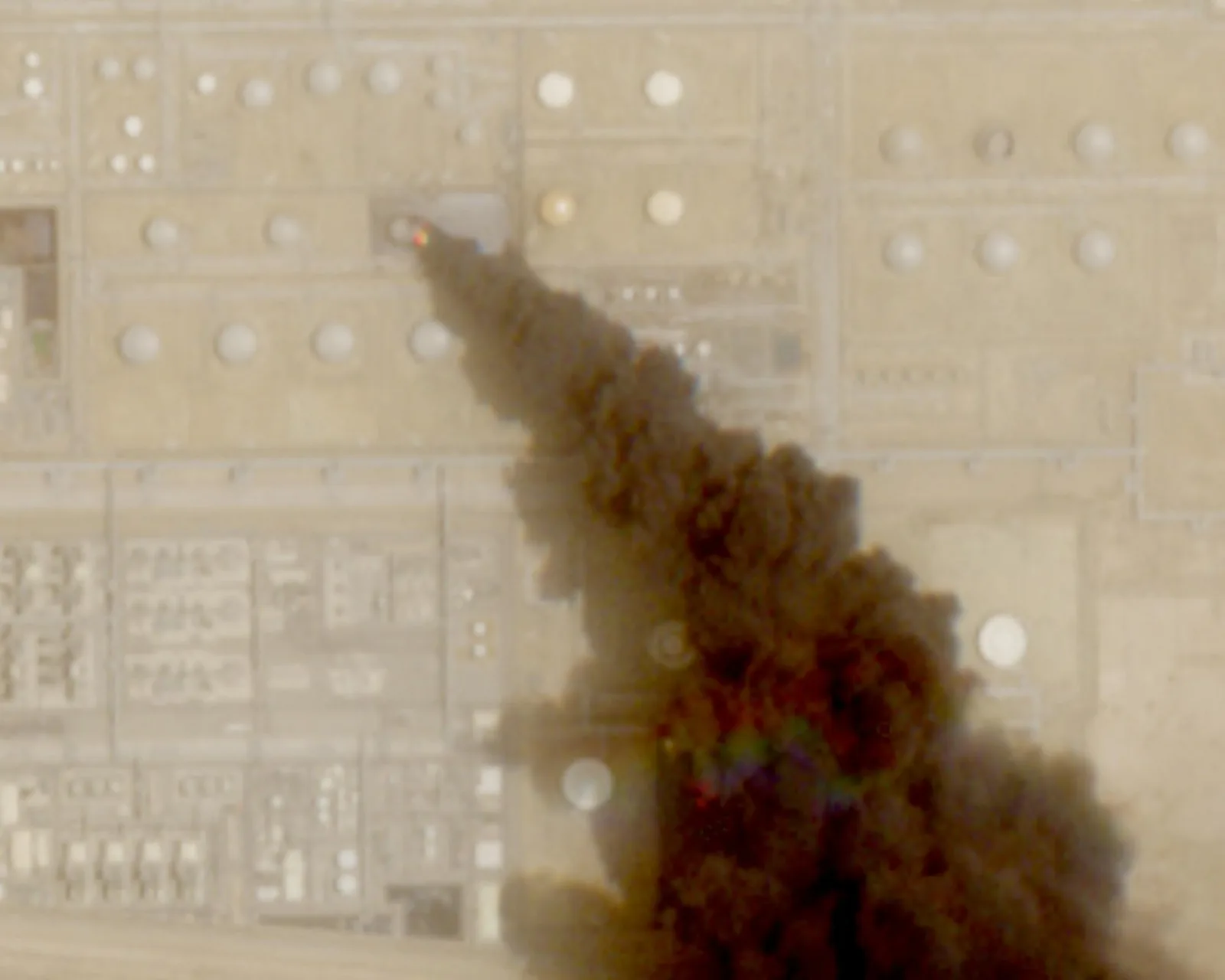
Iran-backed Houthis recently claimed responsibility for an airstrike on an oil refinery in Saudi Arabia. This attack comes just two days after Saudi Arabia signed a defense agreement with Turkey and Pakistan; an agreement that reflects growing concerns in the region following tensions arising from the U.S. and Israel's war against Iran.
Consequences of the Attack and Regional Tensions
The attack occurred in the early hours of Sunday, and following it, Iran announced that it had set tough preconditions for reopening the Strait of Hormuz. This situation indicates a worsening crisis in the Persian Gulf; a place where tensions among regional countries have peaked, especially after an Emirati ship was targeted by an Iranian missile.
While efforts to reach an agreement for reopening the Strait of Hormuz continue, it seems that the recent Houthi attack is just part of a larger scenario that could have more serious implications for regional security. This attack not only demonstrates the military power of the Houthis but also clearly shows that Iran and its allies are seeking to exert more influence in the region.
International Implications
The Houthi attacks and Iran's harsh reactions to military actions in the region have raised serious concerns in the international community. This situation could lead to further unrest in the Persian Gulf and negatively impact global oil markets. Meanwhile, Saudi Arabia, as one of the largest oil producers in the world, is trying to mitigate these tensions by forming new alliances.
It appears that these developments will affect not just a specific country but the entire region and even beyond. Now it remains to be seen whether the major world powers, especially the United States and Europe, will take effective action to reduce tensions.