The Houthis of Yemen continue their ongoing attacks on Saudi Arabia, while senior officials from this country, Turkey, and Pakistan are set to hold sensitive negotiations with Iran in Tehran on Monday. These developments come after warnings about the possibility of a return to war.
Increased Military Activity
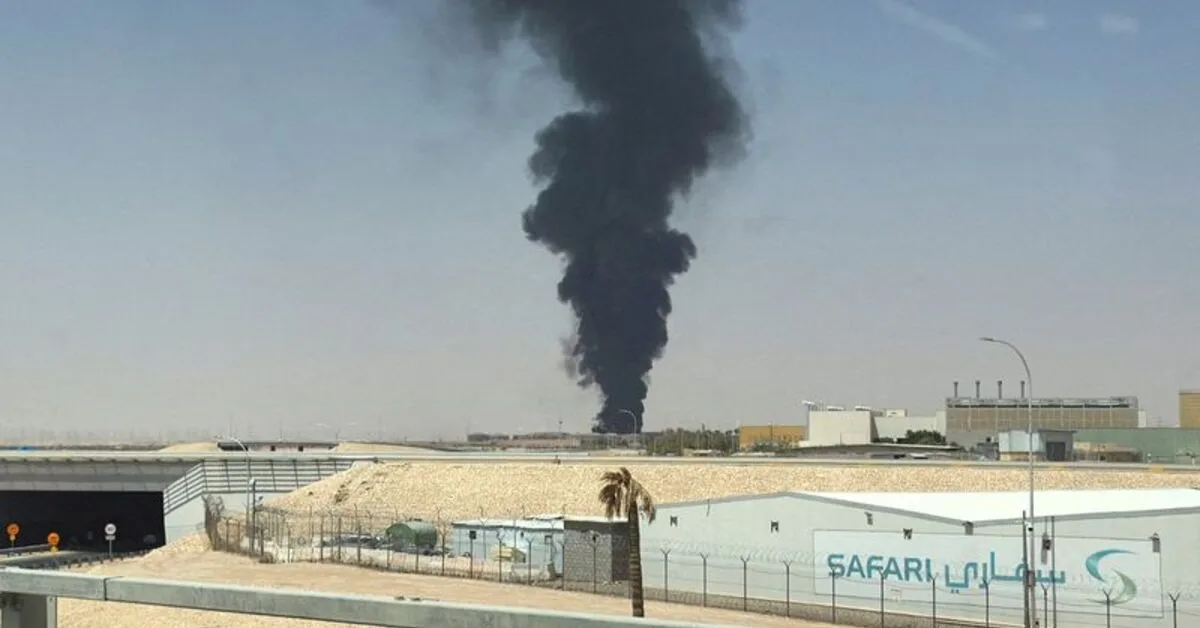
New explosions were heard in Riyadh last night, and a message was sent to residents of the city warning of a "hostile" aerial threat. The Houthis, who are allied with Iran, claimed on Sunday to have attacked King Khalid International Airport in Riyadh. Saudi Arabia, the world's largest oil exporter, has been heavily involved in an eight-month war since the resumption of hostilities with the Houthis in July.
Read more: Kuwait: Forecast of Warm Weather with Possible Light Rain
Negotiations in Tehran and the Role of Saudi Officials
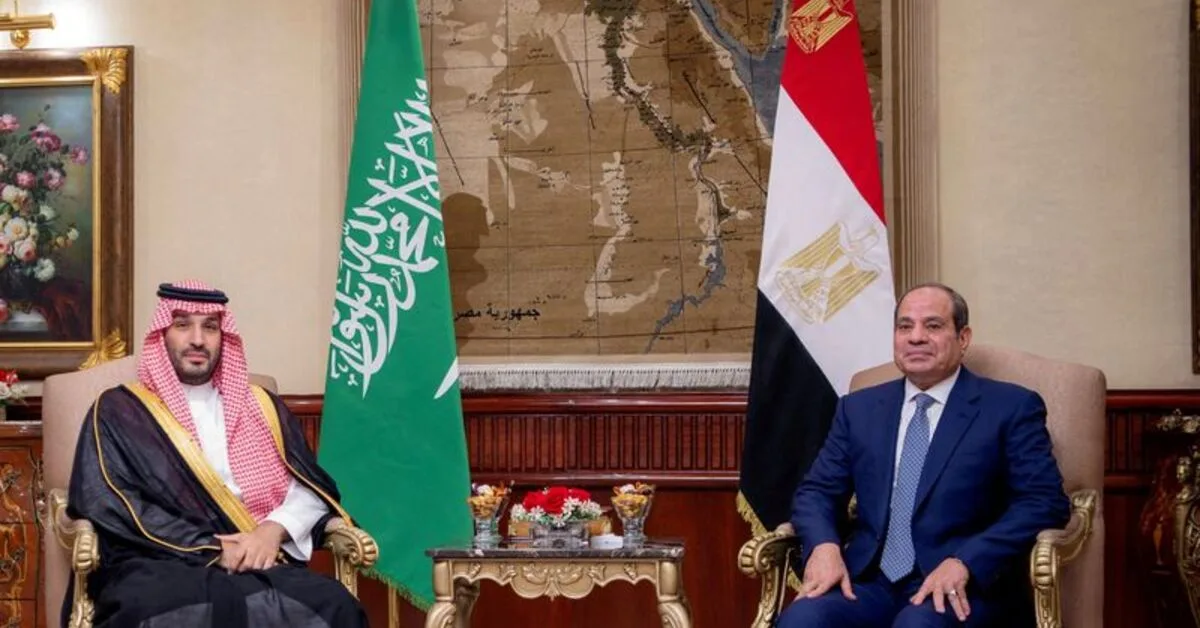
The Saudi Defense Minister, Prince Khalid bin Salman, is one of the members of the delegation sent to Tehran. This delegation includes officials from Saudi Arabia, Turkey, and Pakistan, who signed a defense agreement in Mecca in August. The visit of this delegation comes after warnings from the United States, Iran, and Israel about the potential resumption of hostilities. Tensions have increased ahead of Israel's sensitive elections and the U.S. midterms.
Mahmoud Rezaei, the head of Iran's National Security Council, will participate in this meeting on Monday. Also attending will be Prince Khalid, the Chief of Staff of the Pakistani Army, General Asim Munir, and the head of Turkish intelligence, Ibrahim Kalin. Ali Bagheri Kani, the Deputy Secretary of Iran's Supreme National Security Council, announced this on Iranian state television.
Consequences of Recent Developments
Hisham Al-Ghanem, a Saudi security analyst, described this historic meeting as "the last chance before tensions escalate" in a post on social media platform X, emphasizing the need to work towards de-escalation. Al-Ghanem also noted that the presence of military and security officials at this level indicates the limited time remaining.
On Sunday, while explosions were heard in Riyadh, the Saudi-led coalition also announced that it had attacked Houthi missiles in Yemen. The Houthis claimed to have once again attacked King Khalid International Airport in Riyadh. This facility, which has been targeted repeatedly, has been closed since January 13, and in this recent attack, 13 people were killed and over 300 injured.
Efforts at mediation between the United States and Iran are ongoing, particularly by Qatar and Pakistan. A Qatari delegation traveled to Tehran on Sunday. Ismail Baqaei, a spokesman for the Iranian Foreign Ministry, stated: "Our region is currently facing serious tensions, and neighboring countries are trying to convey a message and present initiatives."
Andreas Krieg, a risk advisor based in London, described Prince Khalid's presence in Tehran as "very significant" and referred to him as "the strategic brain of Saudi Arabia." He added: "For him to travel directly to Iran at this critical time is a strong message that Saudi Arabia is not just sitting back and waiting for events to unfold."
Read more: Severe Injury of a Foreign National in Jebel Shams, Oman · Saudi Coalition Operations Against Houthi Missile Facilities After Attack on Riyadh Airport