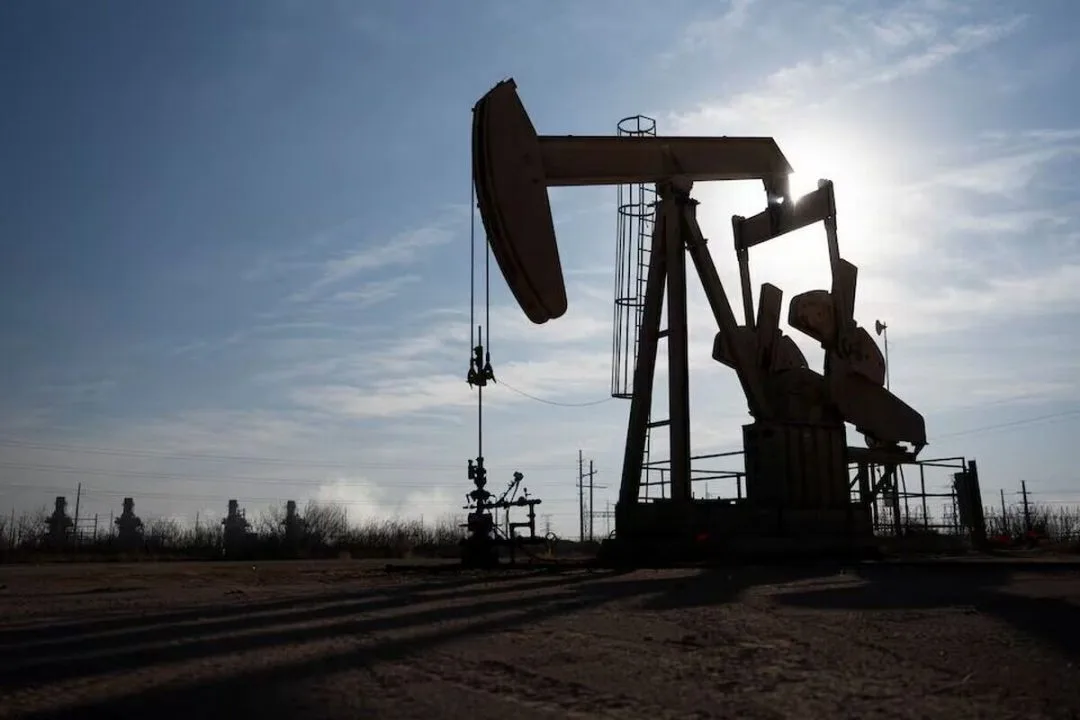
The increase in Brent crude oil prices to $100.5 and West Texas oil to $89.73 reflects the direct impacts of security tensions in the Persian Gulf and the Strait of Hormuz on the global energy market.
Supply Analysis: Relative Improvement Amid Security Risks
According to new data, crude oil exports in the Middle East (excluding Iran) reached over 81% of pre-war levels in September. This improvement is mainly due to the return of Saudi Arabian exports, but the country still faces serious challenges such as attacks on its oil infrastructure.
However, experts strongly warn that this improvement in exports should not be interpreted as a sign of "complete market normalization." The increase in attacks on tankers around the Strait of Hormuz and rising shipping rates from the Persian Gulf to Asia have put significant pressure on the supply chain and sharply increased insurance and logistics costs.
Military Tensions and Their Impact on Prices
Military tensions in Yemen are recognized as one of the main factors influencing prices. Recent clashes between Yemeni government forces and Houthi forces in the Bab el-Mandeb Strait have heightened concerns about disruptions in transit routes. Claims of Houthi attacks on critical infrastructure such as the Rabigh refinery owned by Aramco, even if not yet officially confirmed, are sufficient to create a "risk premium" in the market.
On the other hand, two factors have prevented excessive price increases. First, the G7's action to release 100 million barrels from emergency diesel and crude oil reserves has mitigated the pressure from supply shortages. Second, under pressure from political leaders, G7 countries refrained from imposing new restrictions on energy exports.
Overall, the oil market is currently in a balanced state between "increased regional exports" and "increased transportation risks." Given the low levels of global reserves and the persistence of geopolitical risks in the Strait of Hormuz and Bab el-Mandeb, traders are not inclined to believe in a sustained decrease in prices, and the market is expected to continue operating with high volatility.