Iranian families, due to the eight-month war with the United States, have cut back on food, housing, and education expenses. This war has led to one of the worst inflation crises in recent decades, reducing incomes and pushing households to the brink of destruction.
Impact of the Economic Crisis on Daily Life
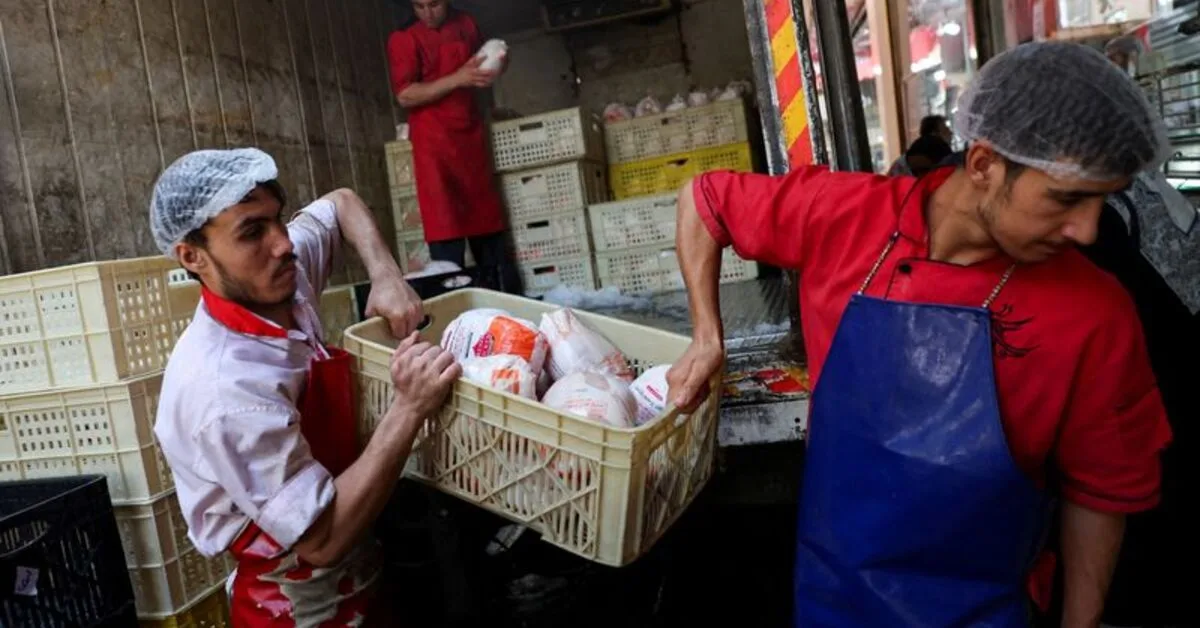
The economic pressure is felt beyond the major cities of Iran. Workers have reported that wages can no longer cover basic expenses, and businesses are facing rising costs and weak demand, as families are spending most of their budgets on food, rent, and other essential needs.
Read more: Seyyed Abbas Araghchi: America has agreed to the conditions of Iran's seven-day plan
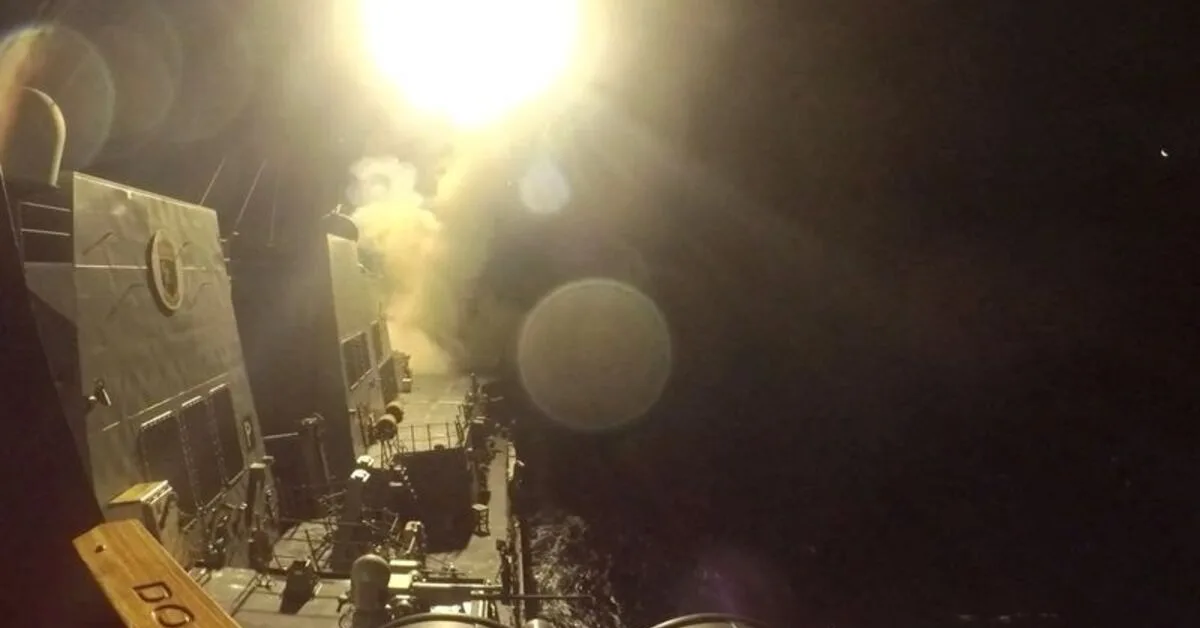
This conflict, which began with U.S. and Israeli attacks on Iran on February 28 and continued with the closure of the Strait of Hormuz and the blockade of Iranian ports by the U.S., has disrupted oil exports, trade, and government revenues. This instability has exacerbated the impacts of sanctions and poor economic management over the years.
Economic and Social Challenges
Iran is in a situation where its inflation rate reached 73.6% in September, and consumer prices have increased by nearly 90% compared to last year. The price of food and beverages has risen by 121.8% from last year, forcing many families to cut back on their expenses.
Mohammad Ali, a 47-year-old vendor in Mashhad, says, "We have no money, no future, and no hope. We are tired of living in fear." This situation has affected the daily lives of many Iranians, making it difficult for them to meet their basic needs.
Ali Madani Zadeh, Iran's Minister of Economy, apologized on Tuesday for the increasing cost-of-living pressures on Iranians, stating that retirees, workers, and government employees are affected by skyrocketing prices and high inflation.
With the devaluation of the rial, opportunities that were once seen as pathways to progress are now unavailable to many families. This situation has also added political challenges for Iranian officials, as they are concerned that worsening economic conditions may reignite public discontent.
On the other hand, unemployment in the labor market has risen to 9.1%, and the economic participation rate has dropped to 40.7%. Young people aged 15 to 24 are also facing an unemployment rate of 25%, indicating a serious crisis in youth employment.
Read more: Iran is seeking new goals in confrontation with the United States and Israel · Oman’s Foreign Minister: Security in the Persian Gulf is not possible without Iran’s participation