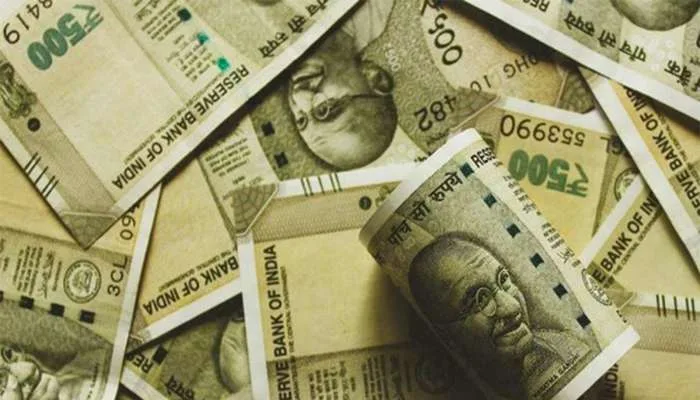
India is on track to achieve the 4.3 percent GDP budget deficit target for the fiscal year 2027. This comes as the deficit reached 42.6 percent of the total annual estimate in the first six months of the year. New reports indicate that strong corporate tax collection has helped alleviate financial pressures.
Reprioritizing Expenditures
According to assessments, the Indian government is likely to meet the budget deficit target by reprioritizing expenditures. This comes as high interest payments and investment costs put significant pressure on the government's financial situation. There are also risks from the potential increase in fertilizer subsidies and additional fuel tax discounts if global commodity prices remain high.
Read more: Turkey and South Korea Seek Cooperation on the Sinop Nuclear Project
Tax Collection and Government Expenditures
Reports indicate that direct tax collection in September of this year increased by 13 percent compared to last year, with corporate tax collection experiencing a 27 percent growth. Meanwhile, income tax revenue decreased by 8 percent this month. Corporate tax collection has been particularly strong this fiscal year, rising about 22 percent compared to last year, while the growth forecast for this sector in the budget was 12 percent.
In recent reforms, the Indian government has abolished the 2.5 rupee export tax on gasoline and increased the diesel tax to 11.5 rupees per liter. The jet fuel tax has also been raised from 10.5 rupees to 11 rupees per liter.
Overall, government expenditures in September of this year increased by 12 percent compared to last year, while subsidy expenditures decreased by 31 percent. This reduction reflects a decrease in food and fertilizer subsidies. However, reports have warned of rising energy prices, stating that this could exert further pressure on the budget deficit outlook.
Read more: Severe Decline in U.S. Stock Market Amid Concerns Over Technology Costs · India and the European Union Conclude Free Trade Agreement Negotiations