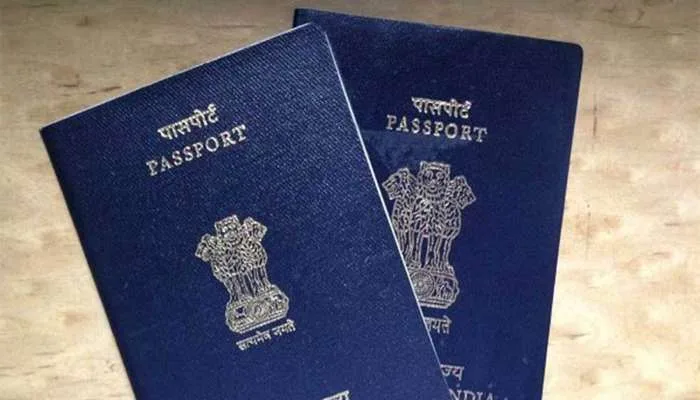
India has reduced the number of main visa categories from 13 to 9 and the subcategories from 49 to 23 with the aim of improving and simplifying the visa issuance process. The Ministry of Home Affairs (MHA) has begun updating its information technology systems to implement these changes, and it is expected that visa issuance under the new framework will commence by the end of this year.
Simplifying Visa Application Processes
The Ministry of Home Affairs has also conducted a comprehensive review to simplify visa application forms across the 23 categories and subcategories. According to the ministry's announcement, the number of fields or columns required for all 23 visa categories and subcategories has been reduced by 65 to 70 percent. This action aims to significantly reduce the information required from foreign nationals and simplify visa forms.
Read more: Saudi Arabia Hands Over the Presidency of the ALECSO Conference to the Sultanate of Oman
The new changes have facilitated the visa application process for applicants and increased administrative efficiency by streamlining the review and processing of visa applications. The Ministry of Home Affairs has stated: "The Government of India has simplified the visa system by reducing the number of main categories from 13 to 9 and the number of subcategories from 49 to 23. The aim of these changes is to create a compact, coordinated structure that responds to the needs of foreign nationals visiting India."
New Visa Categories
The new visa framework includes nine main categories: Business Visa, Diplomatic Visa, Employment Visa, Journalist Visa, Medical Visa, Official Visa, Student Visa, Visitor Visa, and Miscellaneous Visa. The Business Visa is granted for long-term business activities including establishing and launching a business, participating in cultural or business events, investment, and film production. In contrast, the Diplomatic Visa is granted to diplomats and their dependents.
The Employment Visa is provided for long-term employment with Indian companies or organizations, work in non-governmental organizations, and religious activities. The Journalist Visa is granted only to accredited journalists in India. The Medical Visa is for individuals traveling to India for medical treatments and may include treatments related to AYUSH systems as well.
The Ministry of Home Affairs announced on August 27 of this year that it has reduced the number of main visa categories from 13 to 9 and the number of subcategories from 49 to 23. These changes were made following a comprehensive review of the visa systems of developed countries and global standards.
Easier Access for Visitors
Currently, the e-Visa is processed under 13 subcategories and is available for nationals of 172 countries. The previous Tourist Visa has been renamed to Visitor Visa, reflecting a broader range of permitted purposes beyond regular tourism. This category is divided into two subcategories V-1 and V-2 to allow applicants to choose a visa that corresponds to the type and duration of their visit.
Additionally, the Medical Visa includes two subcategories M-1 and M-3 for non-AYUSH treatments and treatments related to AYUSH systems, providing patients with more options for receiving medical services. These changes are generally aimed at increasing transparency and convenience in identifying the appropriate visa category and facilitating the legal entry of foreign nationals into India.
Read more: The International Book Fair in Kuwait will be held from November 18 to 28, 2023