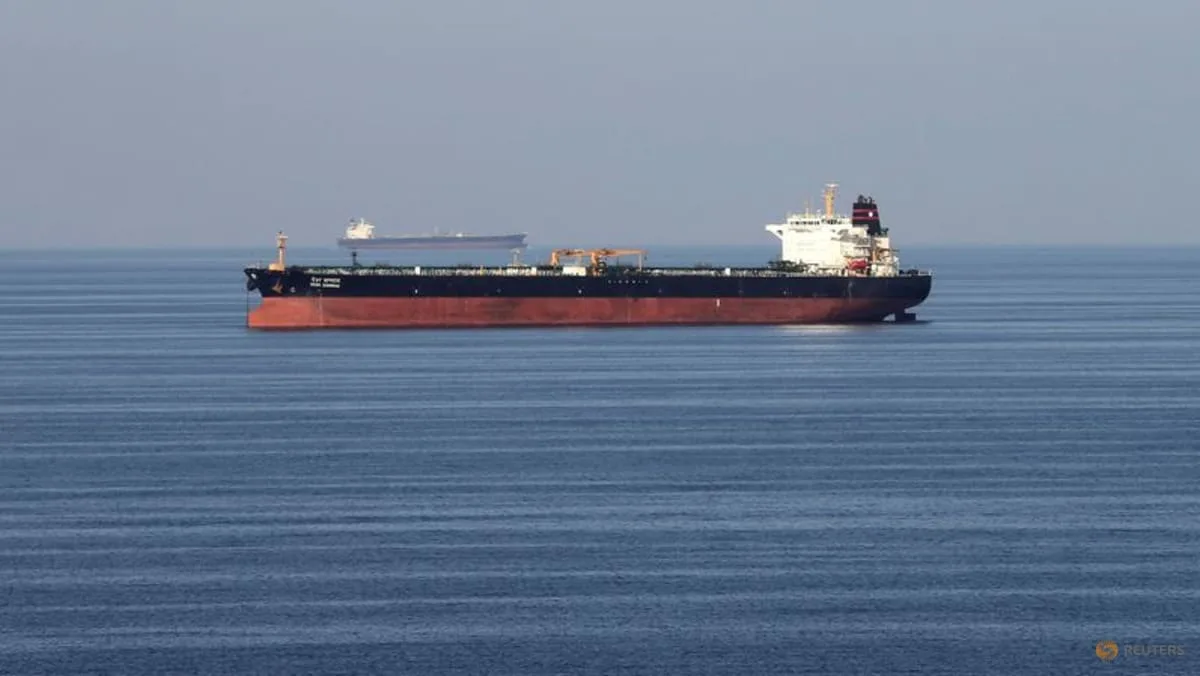
The Strait of Hormuz, one of the most important and strategic waterways in the world, will soon host new discussions between Iran and the Gulf countries. This meeting, which will take place in Oman, comes at a time when recent developments in the region have created new challenges for navigation in this key waterway.
Changes in Navigation Laws
Before the war began, the Strait of Hormuz was recognized as a free waterway, and ships could pass through without needing a permit. However, Iran has now announced that ships must obtain permission to enter the strait. This change in navigation laws has raised concerns and questions among neighboring countries and the international community.
Economic and Security Impacts
Iran is also considering a mechanism to impose service fees on ships. This issue could have major impacts on global trade and oil prices. Given that about 20% of the world's oil passes through this strait, any changes in laws and regulations could have widespread consequences.
The discussions in Oman are part of Iran's efforts to improve relations with neighboring countries and reduce tensions in the region. These talks aim not only to address the security of the Strait of Hormuz but also to seek new agreements and economic cooperation.
Considering the importance of the Strait of Hormuz in global energy supply, this meeting is expected to be recognized as one of the most significant diplomatic events of the year. It remains to be seen whether these discussions can lead to a reduction in tensions and the establishment of stability in this sensitive region or not.