Iran and the United States are in a critical situation where their lack of agreement on a UN plan for the transfer of fertilizers through the Hormuz Strait could lead to a food security crisis in some parts of Asia and Africa. UN officials have stated that if no agreement is reached in the coming weeks, serious risks are looming.
The Necessity of Reaching an Agreement in a Timely Manner
The UN established a working group in March to facilitate the passage of fertilizers through the Hormuz Strait. However, this mechanism has not yet been implemented. Jorge Moura da Silva, the UN Deputy Secretary-General, stated that this plan could be activated within 7 to 10 days if an agreement is reached between Washington and Tehran. He added: "Reaching an agreement in the coming weeks is absolutely vital; otherwise, we will miss the planting season."
Read more: The United States government is considering renaming the Hormuz Strait to Trump Strait
Consequences of Non-Agreement and Food Security Crisis
If disruptions in the Hormuz Strait continue, the prices of goods could rise sharply. According to reports, grain prices may increase by up to 81%, oil products by 66%, and livestock products by 30%. Moura da Silva emphasized: "If we miss the planting season, agricultural productivity will significantly decline, and its effects on prices will increase dramatically."
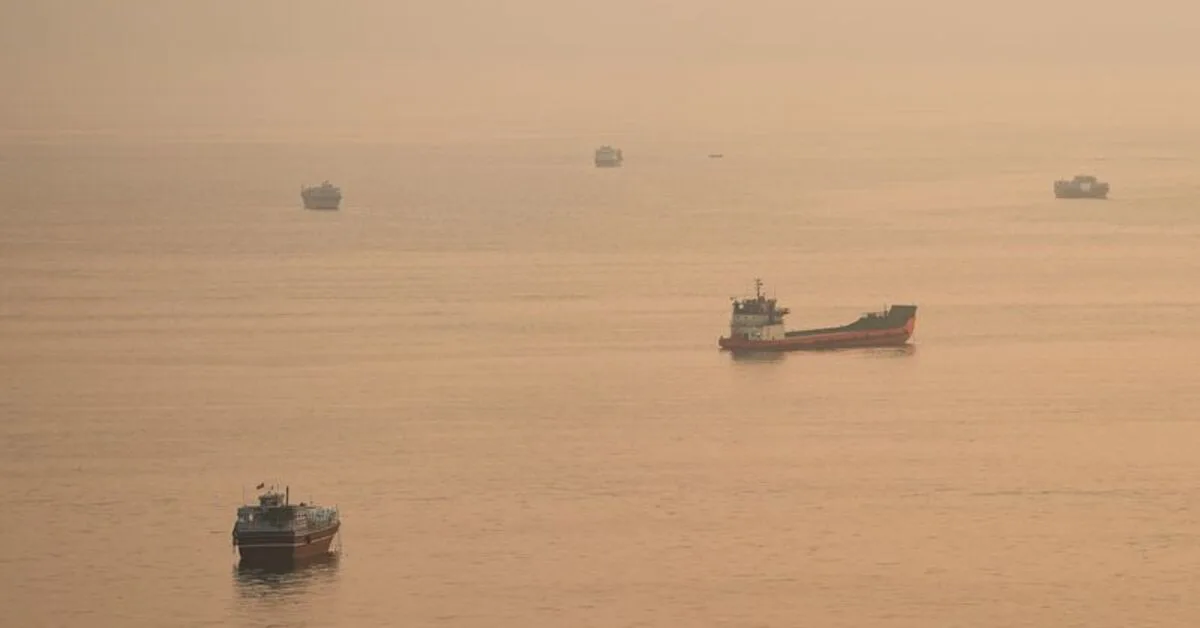
The proposed operation involves using a coordination center in Oman to register ships and coordinate safe passage. UN observers, alongside local officials at Gulf ports, will verify the loading of shipments. The passage of just five ships a day through the Hormuz Strait could maintain the supply of fertilizers for countries in urgent need.
Since the collapse of a temporary ceasefire in June, Iran and the United States have exchanged proposals through intermediaries, but efforts to reopen the Hormuz Strait have stalled due to Tehran's conditions and Washington's insistence on addressing Iran's nuclear program. Moura da Silva noted that this UN mechanism could operate alongside negotiations aimed at achieving a comprehensive agreement focused on ensuring lasting peace and freedom of navigation.
Read more: Bahrain and Qatar's dependence on internet cables through the Hormuz Strait · The stalemate in negotiations between Iran and the US continues with statements from Mohsen Rezaei