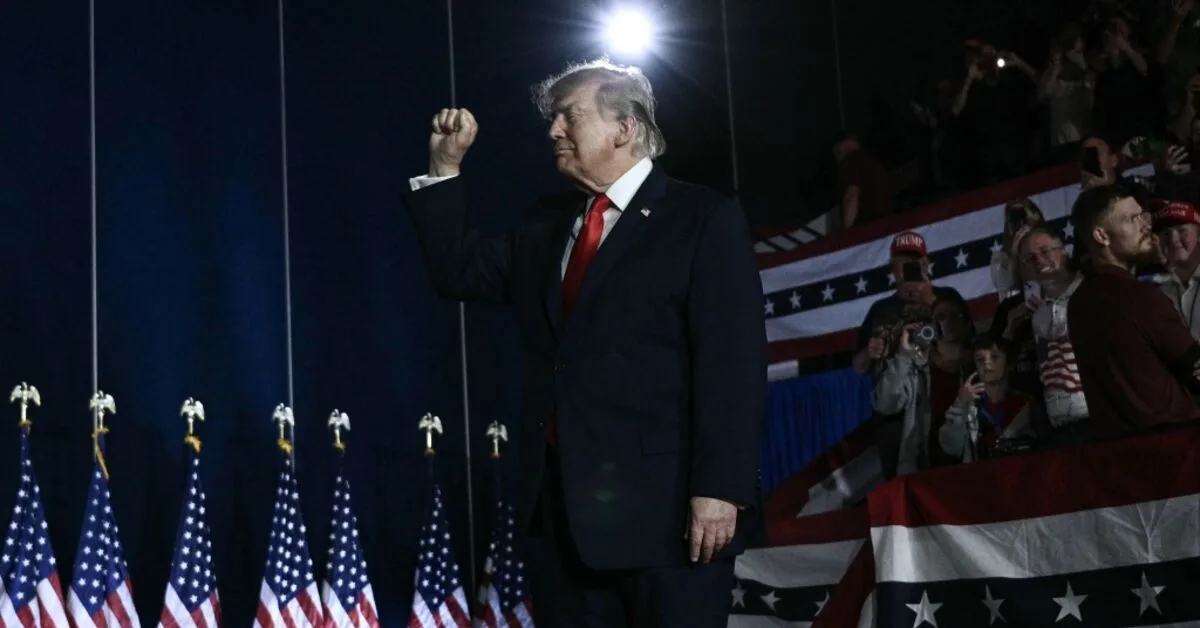
Iran announced on Monday that it is prepared to reopen the Strait of Hormuz within two days if the United States agrees to its conditions. This announcement comes as U.S. President Donald Trump has threatened war at a campaign rally.
Reason for Reopening the Strait of Hormuz
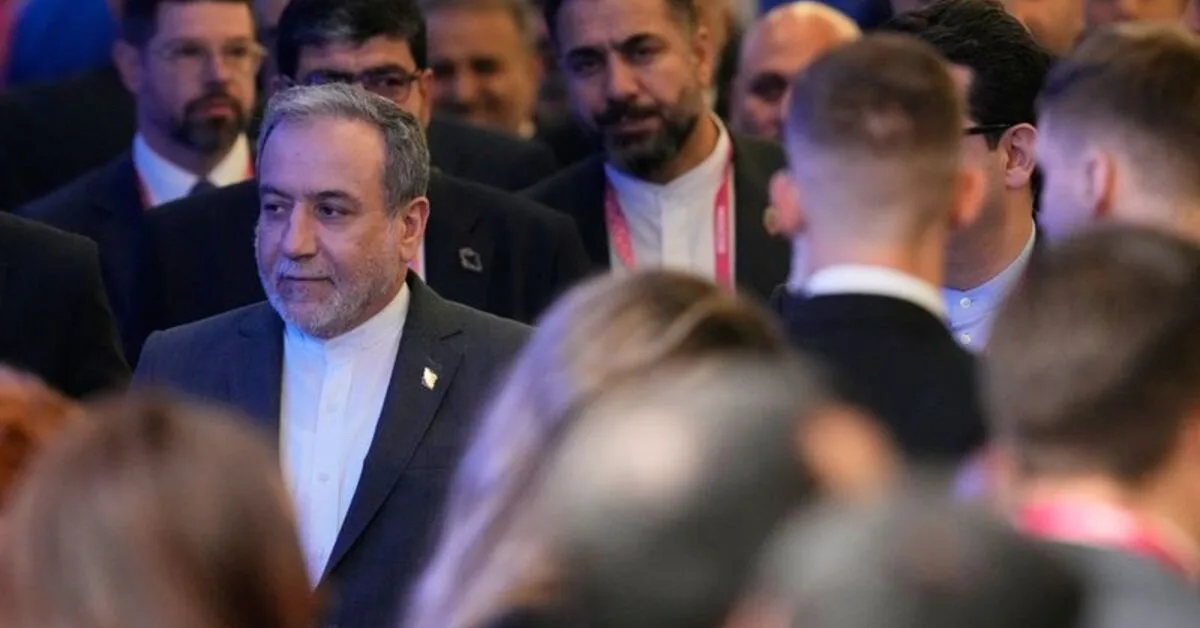
A senior Iranian official stated that the proposal to reopen the vital energy corridor, which has been made after intensive mediation efforts to prevent a return to war, reflects Tehran's "good intentions." The Strait of Hormuz has been blocked since the onset of the war in February, leading to rising energy prices and electoral challenges for Trump. This narrow strait carries one-fifth of the world's oil consumption.
Read more: Beginning of Review of the Plan to Counter Foreign Influence in the Islamic Consultative Assembly
Iran's Conditions for Reopening
Ismail Baqaei, spokesperson for the Iranian Foreign Ministry, said at a press conference: "The possibility of implementing this plan in two days is another sign of Iran's good intentions." He added: "We have stated that if Iran's demands are met, there is a possibility of restoring security to the Strait of Hormuz and resuming the negotiation process in a short time."
In September, Iran presented a seven-day plan to reopen the Strait of Hormuz, which included ending the war on all fronts, releasing Iranian assets, lifting oil sanctions, and ending mutual blockades at Iranian ports. Baqaei stated that messages are being exchanged through mediators with the United States, adding: "Everything depends on the acceptance of Iranian demands by the United States. Only then can we discuss the next steps."
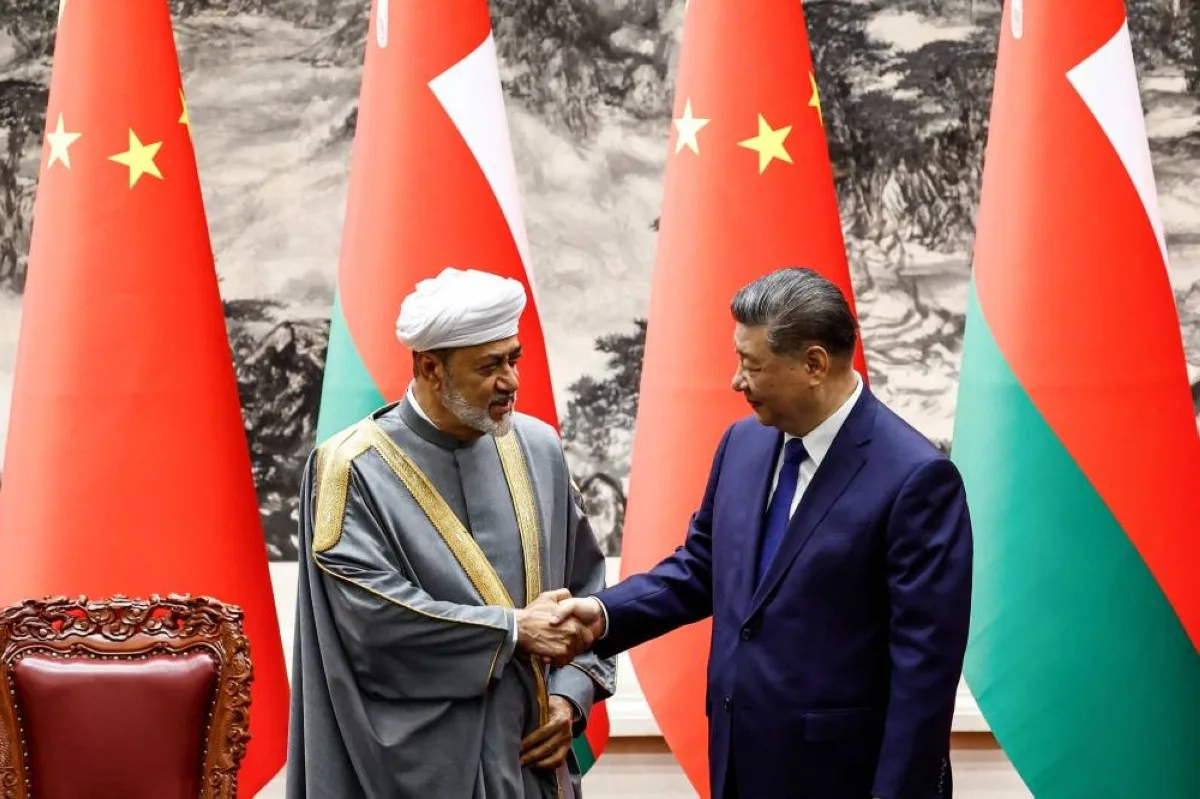
In recent days, officials from Pakistan, Qatar, Saudi Arabia, and Turkey have held discussions with Iran, and U.S. Vice President J.D. Vance has sent a letter to Tehran. Additionally, Sultan Haitham bin Tariq of Oman discussed the war during a meeting with Chinese President Xi Jinping. Both sides have called for resolving disputes through political and diplomatic means and have urged the United States and Iran to seek a peaceful resolution and completely prevent war.
Chinese Foreign Minister Wang Yi also told a senior Iranian official that Beijing supports Tehran in "maintaining its sovereignty and security." In response to Trump's threats, Baqaei emphasized that "any hostile action against Iran, any military attack on Iran, will face our strong and immediate response."
Read more: Progress in Indirect Negotiations Between Washington and Tehran · Kuwait: Emphasis on Digital Transformation in Military and Security Systems