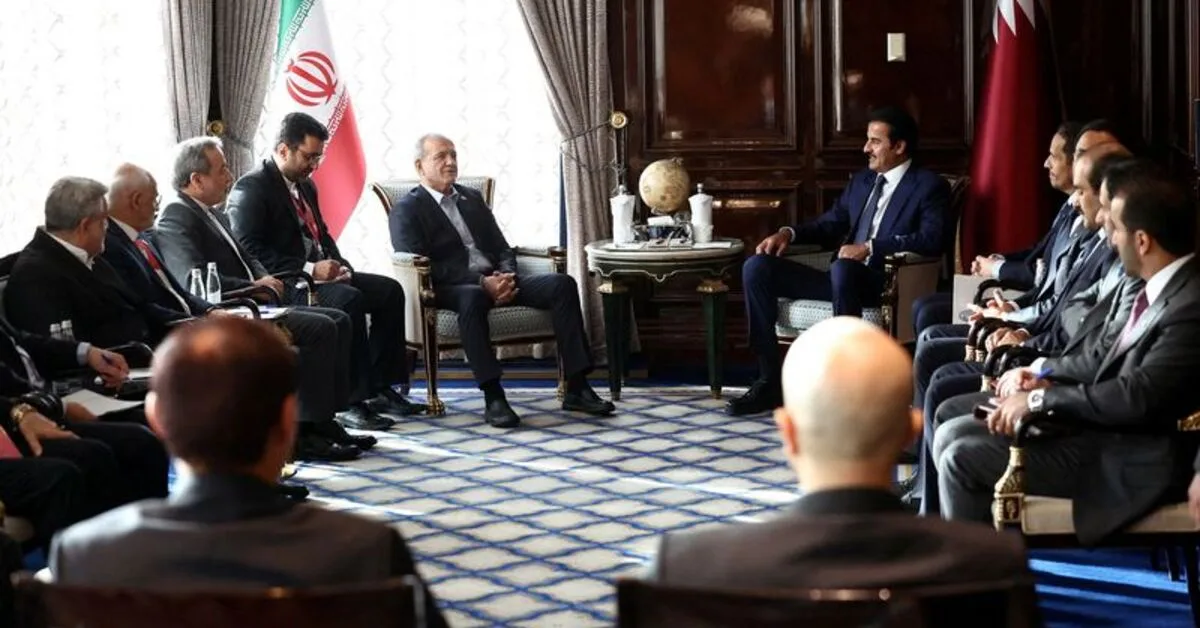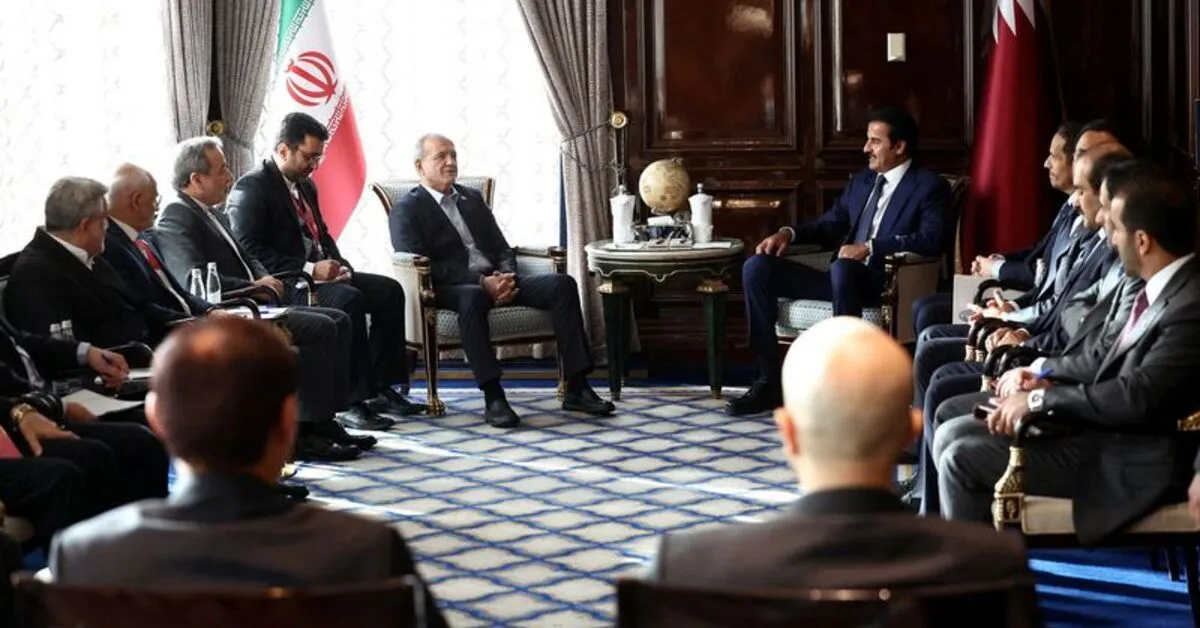
Indirect negotiations between the United States and Iran in Doha, the capital of Qatar, have resulted in progress regarding Iran's nuclear program and navigation in the Strait of Hormuz. These talks, led by a Qatari delegation headed by the senior advisor to Sheikh Mohammed bin Abdulrahman Al Thani, the Prime Minister and Minister of Foreign Affairs of Qatar, have lasted over 12 hours.
Details of the Negotiations and Qatar's Role
Sources close to the mediation efforts have reported that these discussions have led to initial understandings regarding Iran's nuclear program and financial incentives for Tehran. China and Russia are considered as guarantors of any potential agreement in these negotiations. The arrival of American officials in Doha is expected to be a precursor to formal negotiations, although it remains unclear whether Washington and Tehran will meet directly.
Read more: Increased Economic Pressure on Iranian Families Following War with America
A source close to the mediation efforts stated that Qatar is trying to facilitate direct talks, while an Iranian source referred to the continuation of indirect negotiations through intermediaries. One of Iran's deputy foreign ministers is also present in Doha to facilitate discussions with the Qatari delegation.
Iran's Conditions and Demands
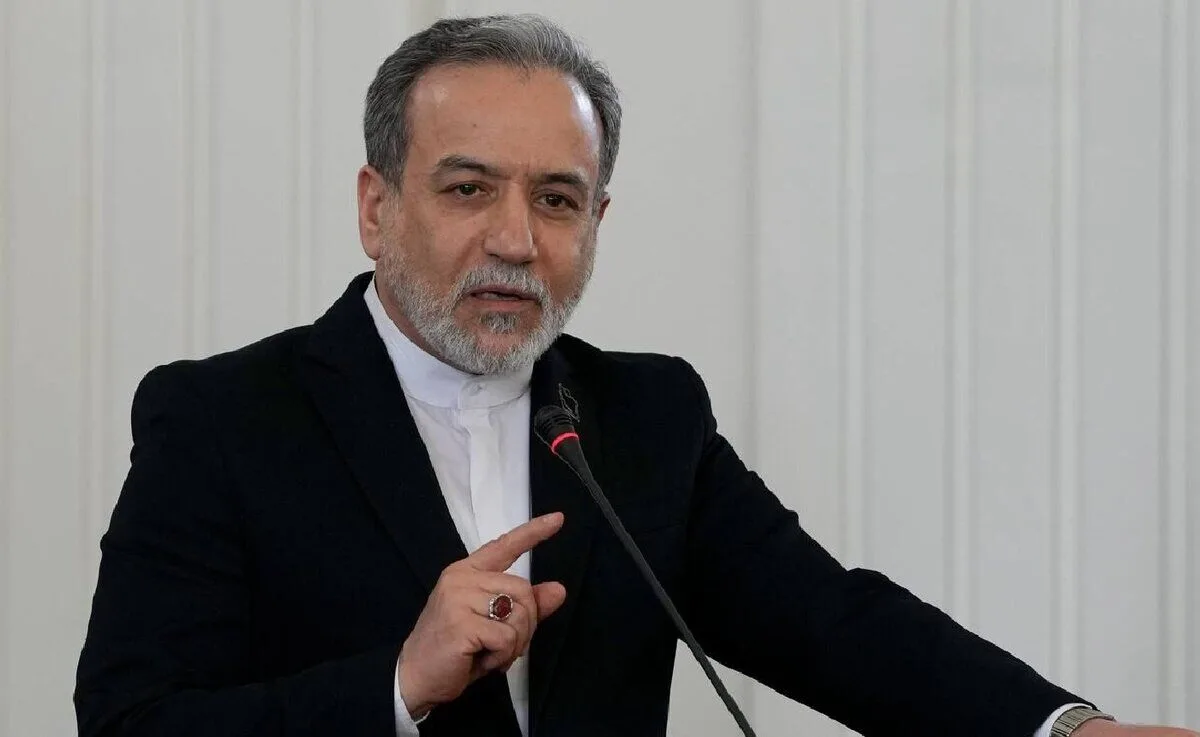
Abbas Araghchi, Iran's Foreign Minister, stated that Tehran is considering the mediators' proposals regarding its nuclear program as part of the second phase of negotiations. He also noted that Iran's proposal remains the only plan under consideration for reopening the Strait of Hormuz. According to him, Tehran's conditions include the lifting of sanctions imposed after the Islamabad memorandum, a reduction of U.S. military forces in the region, the restoration of oil export waivers, and the release of all frozen Iranian funds, including those in Qatar.
These diplomatic efforts come amid rising concerns about the possibility of a new military attack by the Trump administration against Iran following the U.S. midterm elections. Reports indicate that senior American officials are divided over continuing military actions or allowing more time for diplomacy.
While Defense Secretary Pete Hegseth and Secretary of State Marco Rubio are skeptical about the likelihood of a nuclear agreement, on the other hand, Vice President JD Vance, Special Envoy Steve Vitkoff, and Jared Kushner are inclined towards continuing negotiations.
Concerns about the potential resurgence of conflicts remain a key issue for regional governments, as there is fear that another conflict could threaten the Gulf's energy infrastructure and disrupt navigation through the Strait of Hormuz. Tehran has also warned that any further attacks by the United States on its energy facilities could lead to retaliation against oil and gas infrastructure in other parts of the region, increasing the likelihood of a broader regional conflict.
Washington and Tehran also have differing views on the conditions of a potential agreement. The United States is seeking nuclear concessions, while Iran demands an end to the U.S. maritime blockade, access to frozen funds, and a reduction of restrictions on its oil exports. Recently, Qatari mediators have presented proposals to Tehran that include a seven-day timeline for reciprocal confidence-building measures.
Furthermore, reports suggest that Vance has proposed a meeting with senior Iranian officials through Qatari mediators and may personally lead the American negotiating team. Negotiations are set to take place on Friday in Tehran following a previous visit by Qatari mediators, during which a revised proposal was presented to end the U.S. war against Iran. A diplomatic source described these discussions as indicative of "positive progress," but negotiations are ongoing as both sides seek to reach an agreement.
Read more: Iran Initiates Legal Action Against Sinocore Ships · Global Developments Amid the Iran-U.S. War