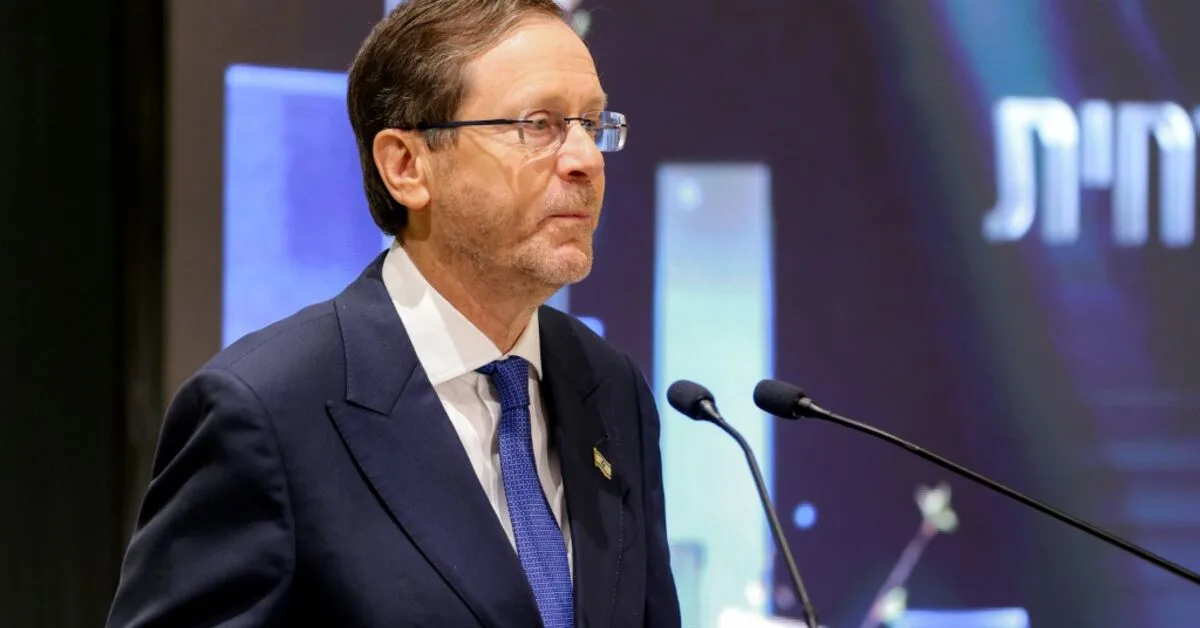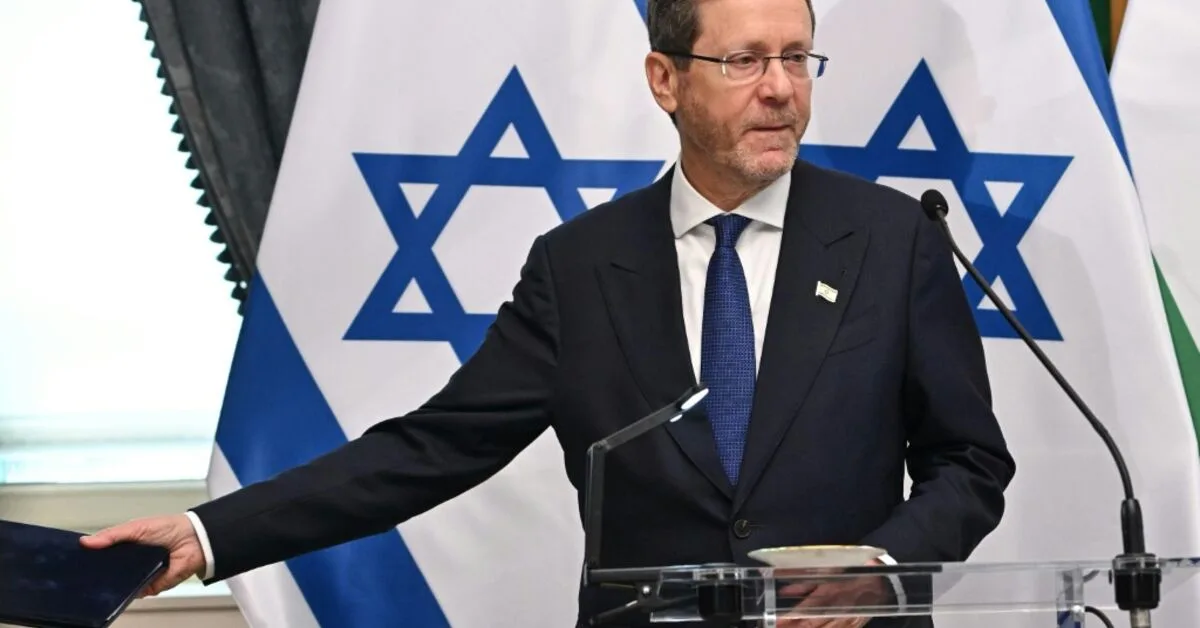
Isaac Herzog, the President of Israel, officially began his negotiations on Wednesday to determine who will be responsible for forming the new government. This comes as none of the main rivals, including Benjamin Netanyahu and Gadi Eisenkot, have succeeded in obtaining the necessary majority following the recent controversial elections.
Negotiations Begin with Smaller Parties
Although the role of the president is largely ceremonial, he has the right to make the final decision on who will be the prime minister. Herzog has started consultations with various parties after receiving the election results on October 27 and intends to begin his discussions with smaller parties, particularly the Religious Zionism party. These negotiations are expected to last two days, after which Herzog will meet with the two larger parties, namely Netanyahu's right-wing list and Eisenkot's Yesh Atid party.
Read more: Sudan reports the downing of a drone at the border with Ethiopia
Challenges in Forming a Government
Currently, neither of the two main rivals, Netanyahu and Eisenkot, have reached the 61 seats necessary for a majority in Israel's 120-member parliament. Netanyahu leads with 53 seats, while Eisenkot has secured 48 seats. Eisenkot could reach the required threshold if he collaborates with the Arab minority parties, but some opposition members have expressed doubts about relying on the votes of non-Jewish representatives.
Netanyahu is seeking to form a broad coalition government without Arab parties, while he has accused the Arab parties of "stealing" votes. Additionally, the Attorney General of Israel has instructed the Shin Bet intelligence service to share the progress of its investigations into allegations of electoral fraud by the Arab parties in Israel. While no evidence has been presented in this regard, Arab-Israeli leaders have strongly denied these claims.
This complex situation arises as Netanyahu faces corruption charges and the risk of imprisonment should he lose power and immunity. In the final days of the campaign, he repeatedly warned that he, along with former U.S. President Donald Trump, would order the initiation of an all-out war against Iran. On election night, Eisenkot warned the army not to be influenced by Netanyahu's political needs and emphasized that he has no mandate to make political decisions.
Meanwhile, Eisenkot and other opposition leaders will quickly move towards forming a government and ousting Netanyahu, but it remains unclear how this will be accomplished. Youssef Jabareen, the head of the largest Arab minority party in the new parliament, has emphasized that the opposition must accept political realities and collaborate to remove Netanyahu.
Netanyahu continuously warns the Jews of Israel that the opposition will become dependent on the Arab parties and accuses them of supporting Hamas. Arab-Israeli party leaders have unanimously condemned the October 7 Hamas attack, although they have not described this Palestinian Islamic movement as a terrorist group.
Read more: Trump described Democrats as dangerous and called the midterm elections crucial · Israeli airstrikes claim the lives of three Palestinians in Gaza