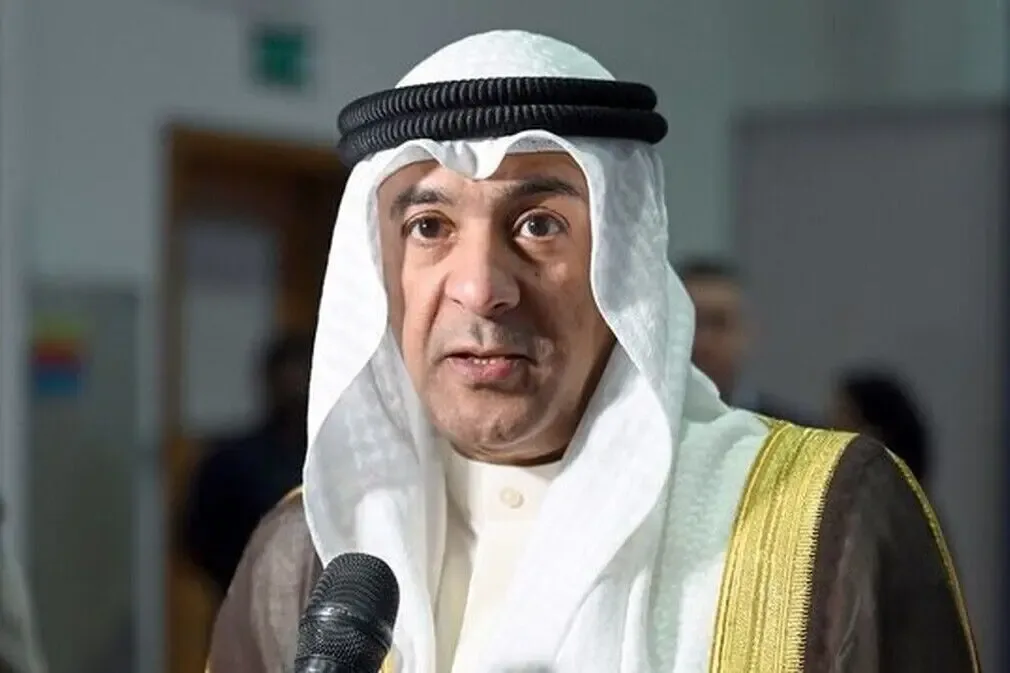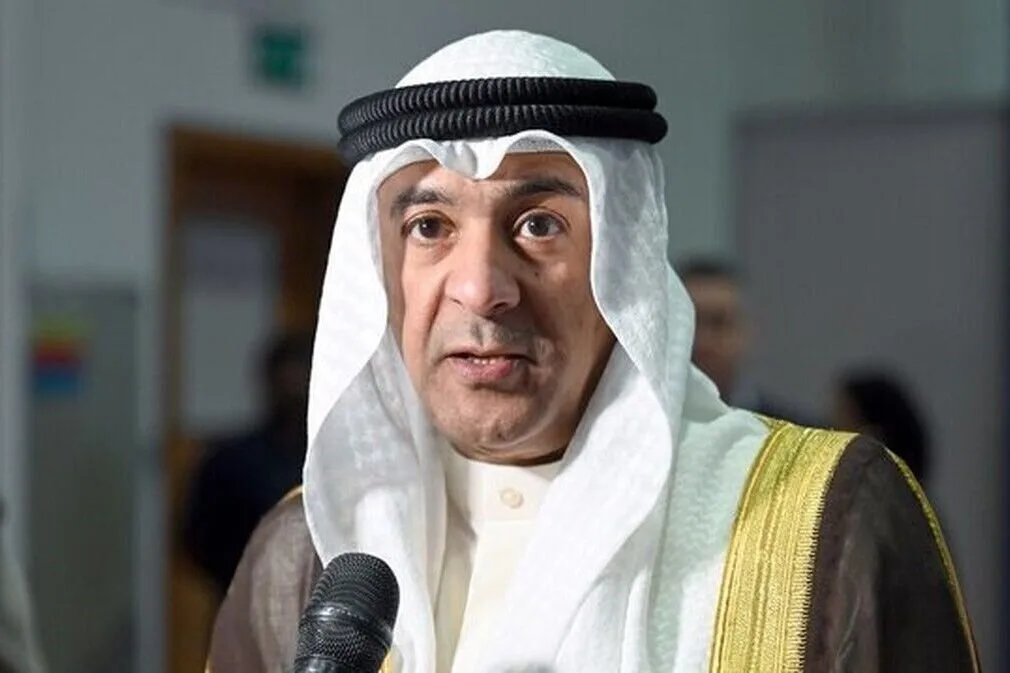
Jassim Mohammed Al-Badawi, Secretary-General of the Gulf Cooperation Council, highlighted the strategic importance of the Strait of Hormuz in his recent statements and emphasized the necessity of maintaining security in this vital waterway. These remarks come at a time when regional tensions are rising and international diplomacy, especially in the Gulf, is in the spotlight.
Importance of the Strait of Hormuz
The Strait of Hormuz, as one of the main oil transport routes in the world, plays a vital role in meeting the energy needs of various countries. Approximately one-fifth of the world's crude oil passes through this waterway, and therefore any disruption in its security could have serious consequences for the global oil market as well as the economic stability of oil-dependent countries.
Al-Badawi stated that the Strait of Hormuz should not become a tool for bargaining and urged countries and international organizations to pay attention to this important issue. He also emphasized the necessity of global cooperation to maintain security and stability in this region.
Security and Economic Consequences
There are two key points in the statements of the Secretary-General of the Gulf Cooperation Council that are essential to consider. First, the security of the Strait of Hormuz requires closer cooperation among regional countries as well as global powers. In a situation where security and military threats in the region have increased, maintaining this waterway relies on diplomatic and military cooperation.
Second, the economic aspect of these statements is also significant. While oil-producing countries are exploring new ways to protect their resources, any irresponsible action in the Strait of Hormuz could lead to rising oil prices and global economic fluctuations. For this reason, Al-Badawi's statements are influenced by the need for calm and stability in energy markets and can be seen as a message to countries involved in regional tensions.
Ultimately, Jassim Mohammed Al-Badawi's statements reflect deep concerns about the future of the Strait of Hormuz and its security amid ongoing tensions. These statements can be viewed as a call for international cooperation and attention to the importance of diplomacy in resolving regional conflicts.