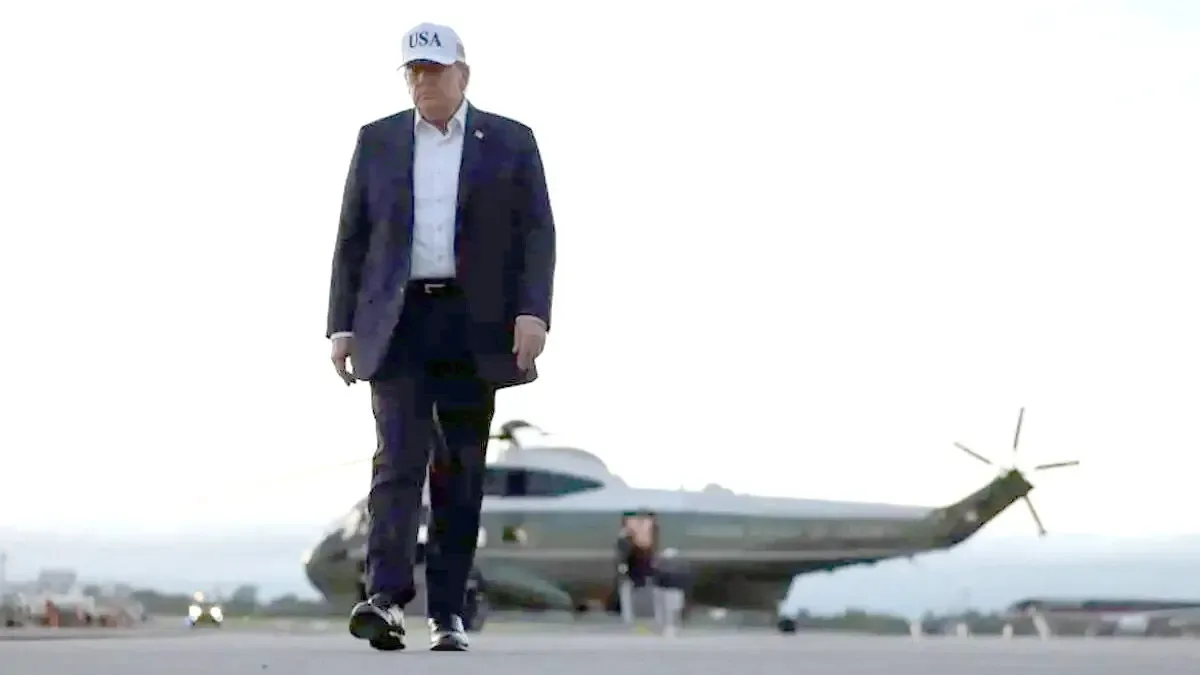
On September 12, 2026, the U.S. government, in statements by Donald Trump, the President of the country, addressed the situation of the Houthis and recent developments in the Persian Gulf region. Trump, alongside Micheál Martin, the Prime Minister of Ireland, stated that the Houthis have contacted the U.S. government and are seeking to avoid conflict with Washington. He also mentioned that this group is allowing more ships to pass into open waters and expressed confidence that the situation will progress well.
Expansion of Houthi Control over the Red Sea Coasts
These statements were made as the Houthis have expanded their control over the port city of Al-Mokha and the island of Mayyun, and now dominate the Bab-el-Mandeb area. Control of this region allows the Houthis access to one of the most important shipping routes in the world. Trump also pointed out that the issue is only related to "one country," which seems to refer to Saudi Arabia.
Read more: Jahanbakhsh Izadi: A meeting without U.S. consent is not possible
New Washington Approach towards the Houthis
As the Houthis have announced their decision to blockade Saudi oil exports to Asia, Trump's statements indicate profound changes in U.S. security policies in the region. These developments align with a series of U.S. retreats from its security commitments in the Persian Gulf. It seems that Washington currently has no desire for direct military intervention in the conflicts between the Houthis and Saudi Arabia, and this is perceived in Saudi circles as part of broader U.S. policies.
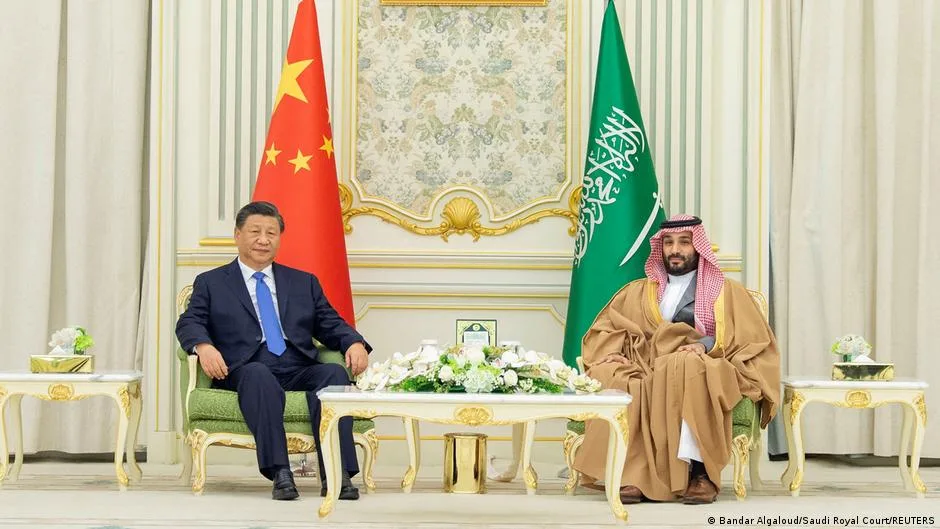
The Trump administration, in order to alleviate Saudi concerns, referred to Mohammed bin Salman, the Saudi Crown Prince, as a "good friend" and stated that "everything will go well." However, no specific military commitments were provided by him, and the White House also did not announce explicit guarantees regarding the protection of Saudi energy infrastructure. This approach has been adopted at a time when the lack of direct U.S. military intervention in the conflicts can be evaluated as part of the new policies of the country towards the Houthis and Saudi Arabia.
Read more: 24 infiltrators arrested in Al-Khaburah, Oman · U.S. President's talks with Gulf leaders about Iran