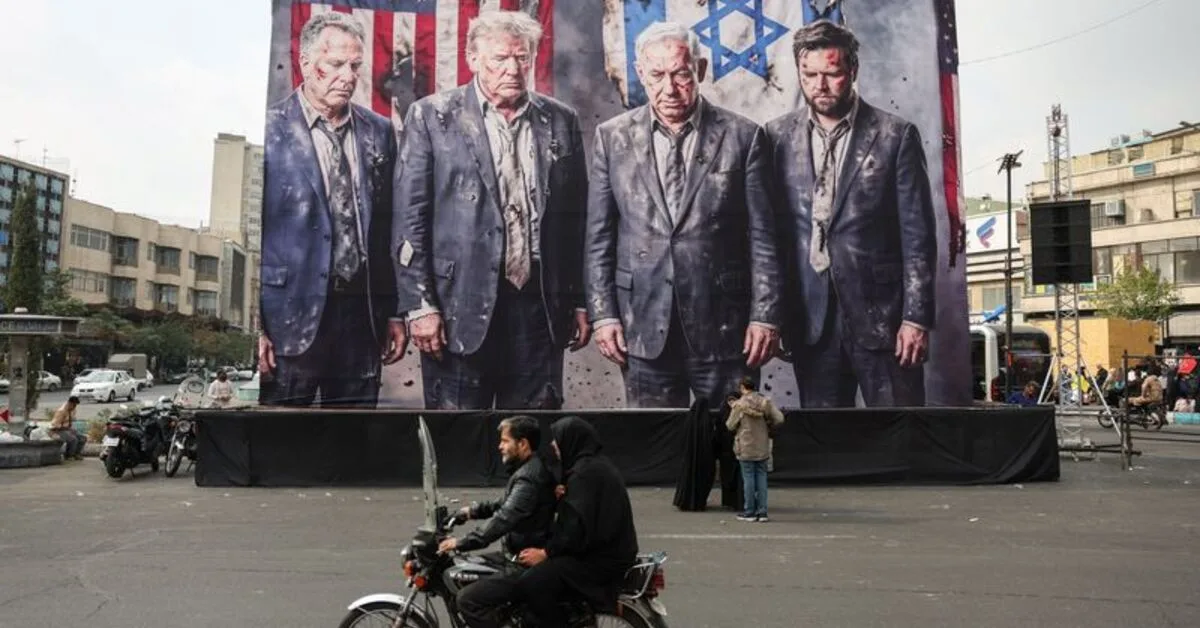
JD Vance, the Vice President of the United States, distanced himself from the war with Iran that began under President Donald Trump on Wednesday and criticized it. In a post on social media platform X, he identified this war as the main reason for the recent electoral defeat of the Republicans, stating: "The reason for our defeat was the war."
Political Consequences for Trump and the Pentagon
Vance's comments may complicate President Trump's decision-making regarding the resumption of military operations against Iran. U.S. officials have told the media that this option is still under consideration. Additionally, these remarks have raised questions about the political fate of senior Pentagon officials, particularly Pete Hegseth, the Secretary of Defense. Hegseth has less popularity in Congress, and some representatives are likely seeking to impeach him.
Read more: The Israeli opposition bloc led by Gadi Eisenkot gathers to oust Netanyahu
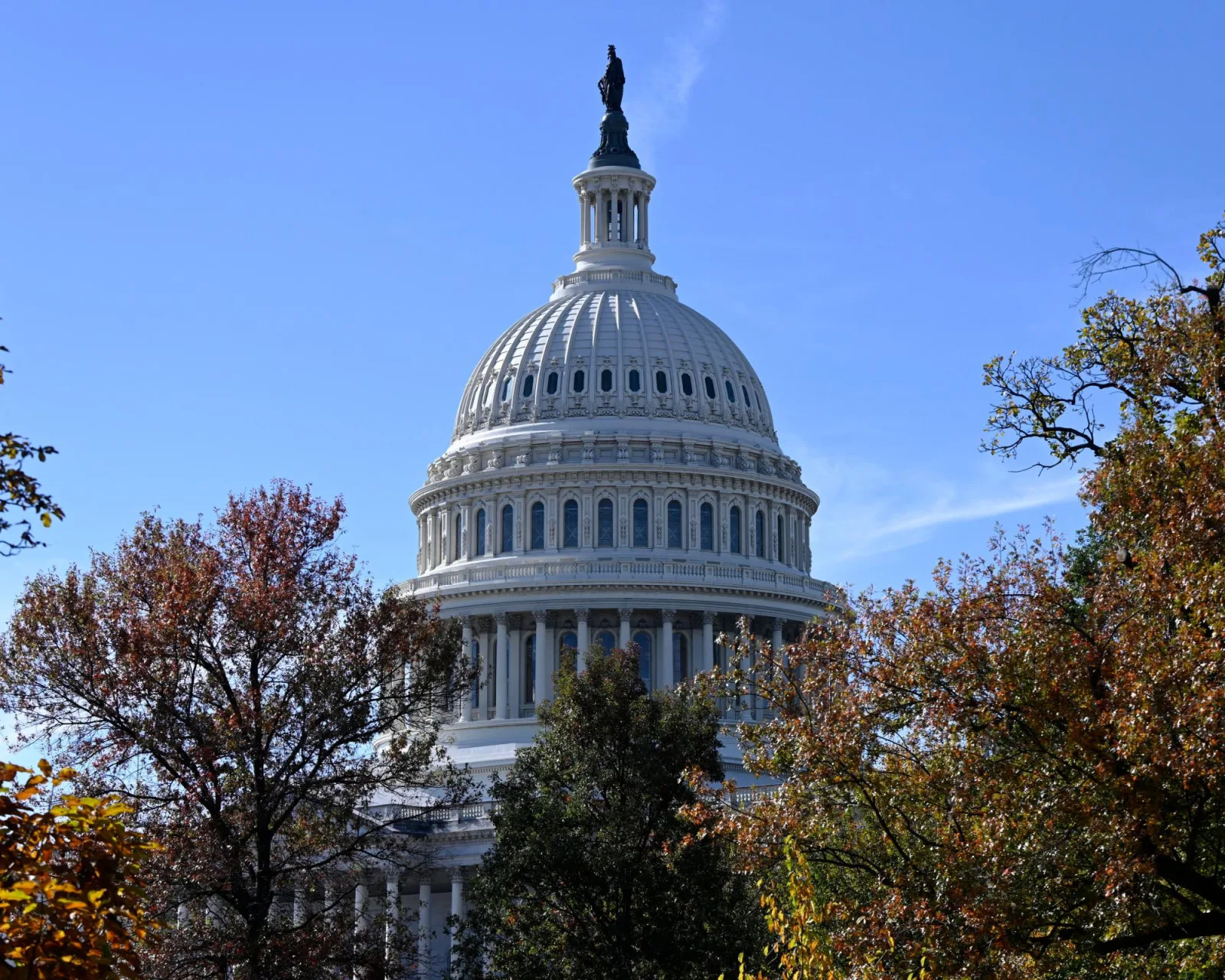
Following the midterm elections, Democrats gained control of both the Senate and the House of Representatives, marking the first time in decades that these victories have occurred in traditionally Republican areas. These changes stem from deep voter dissatisfaction with the war with Iran, concerns about the cost of living, and discontent with Trump's management of the country.
Contrasting Views of Trump and Vance
While Vance believes that the war with Iran led to the Republicans' defeat, Trump stated in remarks to the Wall Street Journal: "I did the right thing, and if I could go back, I would do it again." These two opposing views reflect a hidden rift within the Republican Party and their positions on war and foreign policy.
In this context, Vance referred to his previous advice, stating that recommending an end to the war was "sound advice." However, Trump did not directly address these recommendations and cited several reasons for the electoral defeat, with the war with Iran being just one of them.
These new developments in American democracy and their implications for foreign policy, particularly regarding Iran, should be closely monitored. Public dissatisfaction and political changes in the United States seem likely to have profound impacts on the future of the country's policies in the Middle East.
Read more: Sudan reports the downing of a drone at the border with Ethiopia · China's active diplomacy to strengthen stability in the Middle East