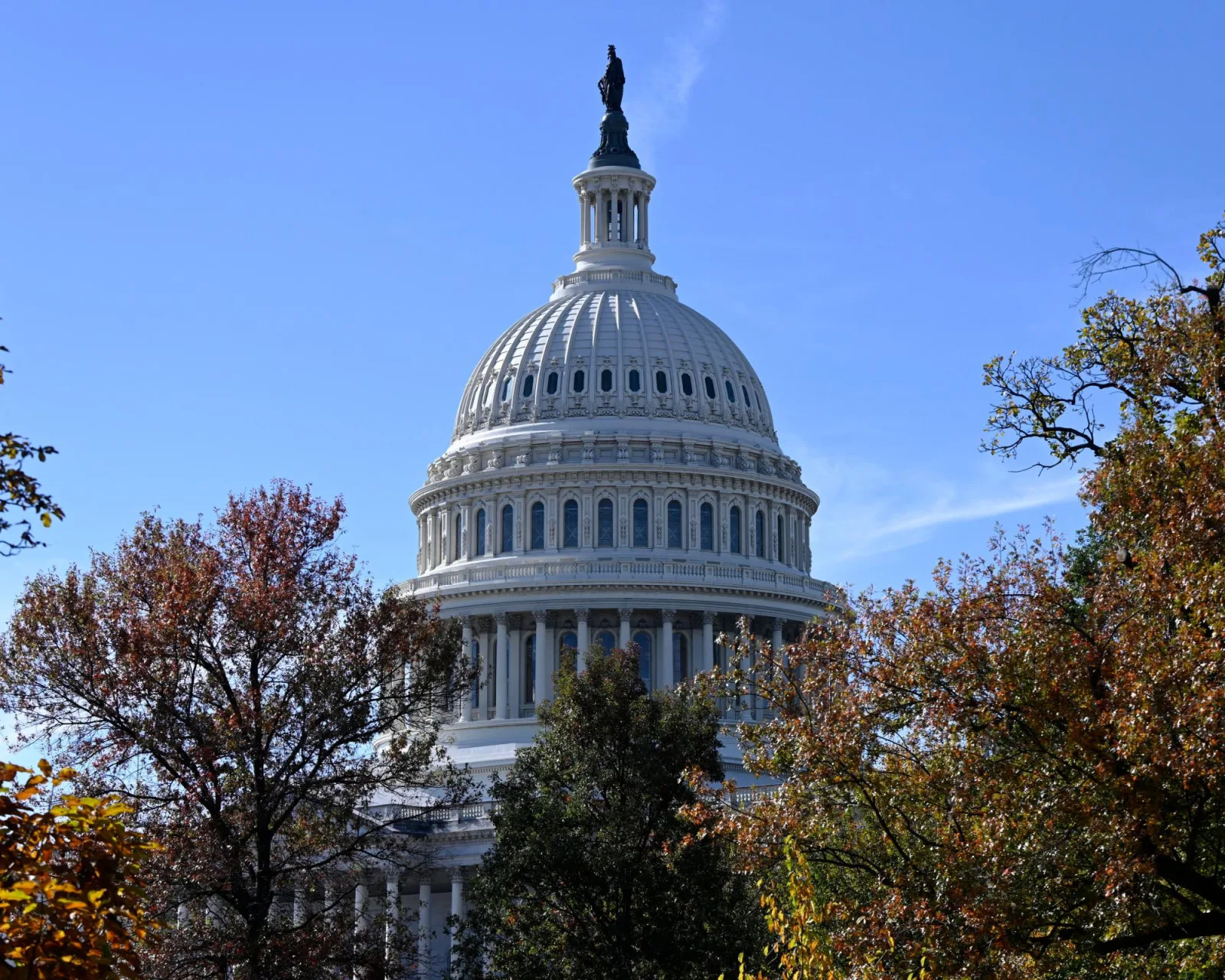
China, as a key player in the international arena, has found new opportunities to expand its relations with Middle Eastern countries following the recent U.S. midterm election results. With the Republicans losing control of both houses of Congress and the Democrats winning at least 54 Senate seats, the political landscape in Washington has changed dramatically.
Impact of Elections on U.S. Foreign Policy
With the new Congress forming in January, Donald Trump will face a strong opposition capable of investigating his administration, presenting challenges in terms of spending priorities and obstacles to his legislative agenda. These issues are particularly significant regarding the Middle East, the U.S. war with Iran, and trade relations with Gulf countries that have developed over the past two years.
Read more: The Sultanate of Oman participated in the Fourth International Minsk Conference on Eurasian Security
For Beijing, this situation presents an opportunity to strengthen its influence in the region. A president facing domestic issues may be more inclined to reach agreements abroad, especially those that can be presented as solutions to domestic economic problems. There is a possibility that Chinese negotiators will conclude that Trump needs an agreement more than they do.
Diplomatic Opportunities for China
One of the clearest opportunities for China is the issue of Iran. According to experts, the war with Iran has been cited as one of the reasons for the Republicans' defeat in the recent elections. Trump has implicitly acknowledged the negative impact of this war on energy prices.
While the election results do not confirm China's foreign policies, they empower Beijing to argue that negotiation rather than military escalation is the best solution to exit this crisis. China can present its diplomatic support, oil purchases from Iran, and supply of dual-use technologies as factors that have helped Iran withstand political pressures.
China has previously continued to expand its diplomacy in this region. Recently, Xi Jinping, the President of China, hosted the Sultan of Oman, and the Chinese Foreign Minister has also spoken with senior officials from Iran and Saudi Arabia. Additionally, Beijing has announced plans to send its representative to these three countries.
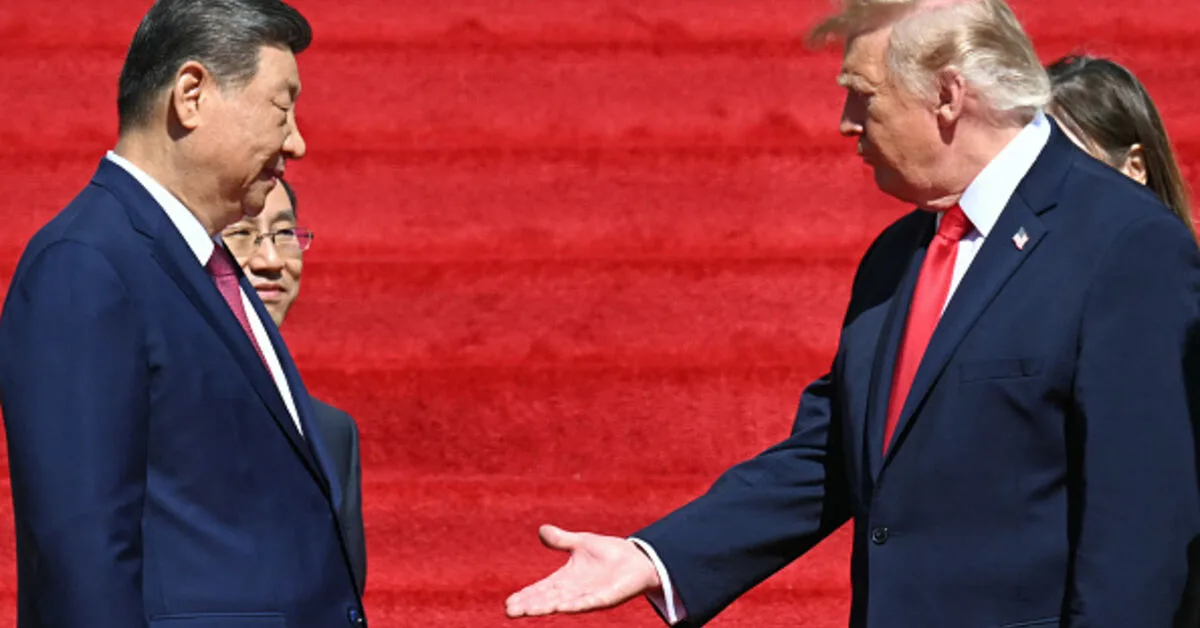
Trump is meeting with Xi while facing domestic political pressure and needing to present economic solutions. Unlike previous elections where he cited fraud, he has quickly accepted the recent results. He has told the media, "I don't want to just spend two years vetoing everything."
The election results push Trump towards cooperation with China and preventing economic collapse. The trade agreement between the two countries expires in January, and its extension could avert a new round of tariffs and retaliatory measures. Reducing tariffs could lower import costs, but achieving a sustainable agreement requires cooperation from China and gives Beijing the opportunity to demand concessions in return for its requests.
However, a weakened Trump does not mean a more accommodating U.S. government. A Congress controlled by Democrats could compel him to release halted arms sales to Taiwan and intensify scrutiny over Chinese investments. China may reach agreements with the president, but will face a Congress that is highly active on sensitive issues.
Read more: JD Vance's effort to create a new political alliance with dissatisfied Trump supporters · Signing of a memorandum of understanding for economic and infrastructure cooperation between Bangladesh and China