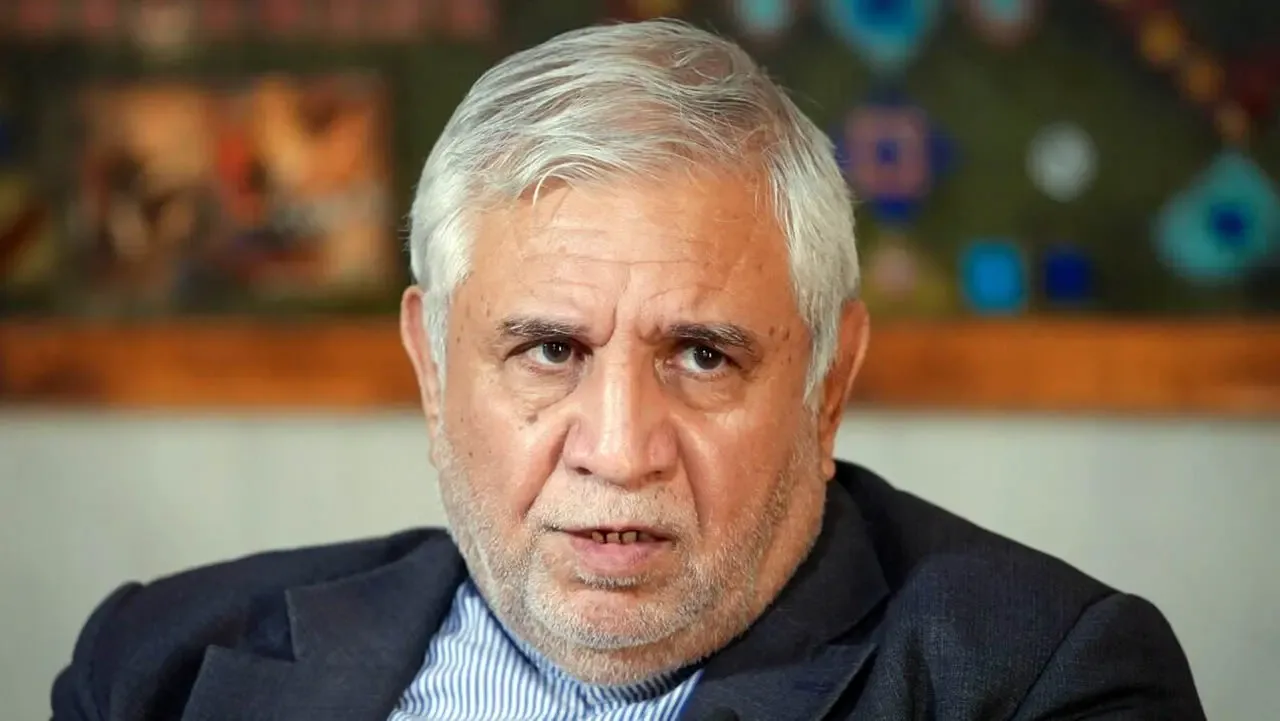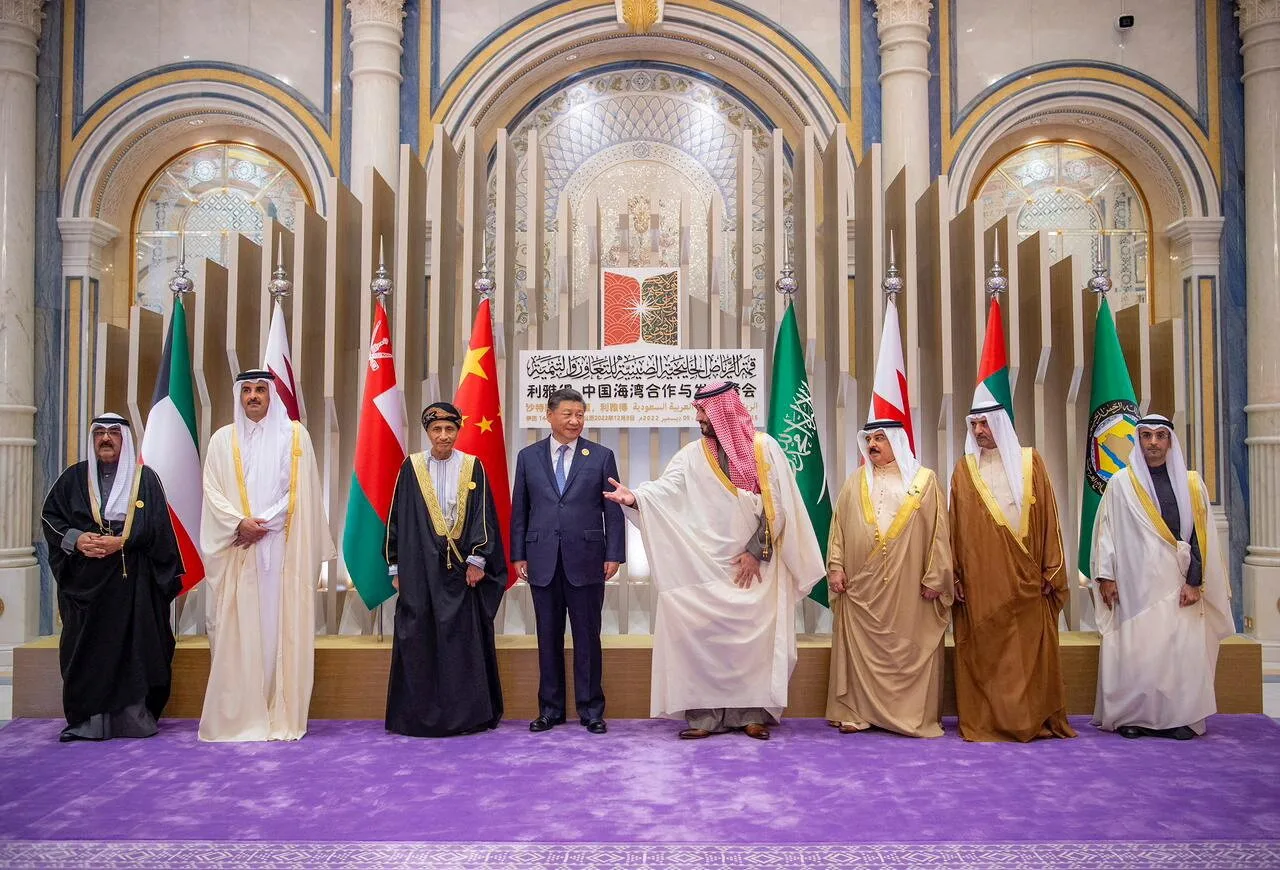
Khalid Al-Jaber, Executive Director of the Middle East Council on Global Affairs, has analyzed the increasing role of China in the Gulf and emphasizes that this country does not need to replace the military presence of the United States in the region. He states that diplomats and leaders of Gulf countries, through visits to Beijing and establishing closer relations with China, demonstrate the expanding role of Beijing in this region.
China-U.S. Competition in the Gulf
The Gulf region, which has traditionally been allied with the United States, is currently witnessing an increasing competition between the two global powers. However, this competition does not mean that China is trying to replace the military role of the United States. Rather, China is seeking alignment with the developmental plans of the countries in the region through commercial and technological tools.
Read more: Iran Calls for End to Saudi Blockade on Yemen
Al-Jaber states that the United States remains the most important military partner of the Gulf countries, and its defense treaties and weapon systems are considered the main pillars of the region's security architecture. He adds that Washington has long measured China's influence with the yardstick of military power, and by this measure, China is far from replacing the United States.
Economic Development and Diversification in the Gulf
The Executive Director of the Middle East Council emphasizes that China has shown no interest in military competition in the Gulf, as it has benefited from the security provided by the United States. According to him, the U.S. Navy has ensured the security of maritime routes for years so that Gulf energy reaches Asian markets.
Al-Jaber also points out that for Gulf countries, such as Saudi Arabia, the UAE, and Qatar, there is no contradiction in pursuing strong relations with both powers. These countries are simultaneously seeking security cooperation with the United States and acquiring Western technologies, while also looking for consumer markets and investment through China to avoid excessive dependence on a single power.
He also refers to the U.S. and Israeli war against Iran and its impact on shipping and regional security, stating: "This war highlights the necessity of a diversification strategy in international relations." This analyst believes that excessive dependence on a single actor creates vulnerability, and countries in the region must seek to build economies beyond oil.
In conclusion, Al-Jaber emphasizes that Washington needs to reassess its strategic power and instead of pressuring Arab countries to choose between Washington and Beijing, it should engage in real competition and offer superior technologies. He adds that security guarantees remain essential, but they can no longer ensure superiority and dominance in all areas.
Read more: Saudi Arabia and New Challenges Following the Iran-U.S. War · Abdul-Malik Al-Houthi and Increasing Military Influence on the Red Sea Coasts of Yemen