Saudi Arabia is facing the consequences of the Iran-U.S. war. The geographical position of this country, the dependence of energy export routes on regional waterways, and security ties with Washington have caused the repercussions of the conflict to quickly spill over into the energy sector, infrastructure, and security of Saudi Arabia.
Drone Attacks and Halt in Oil Exports
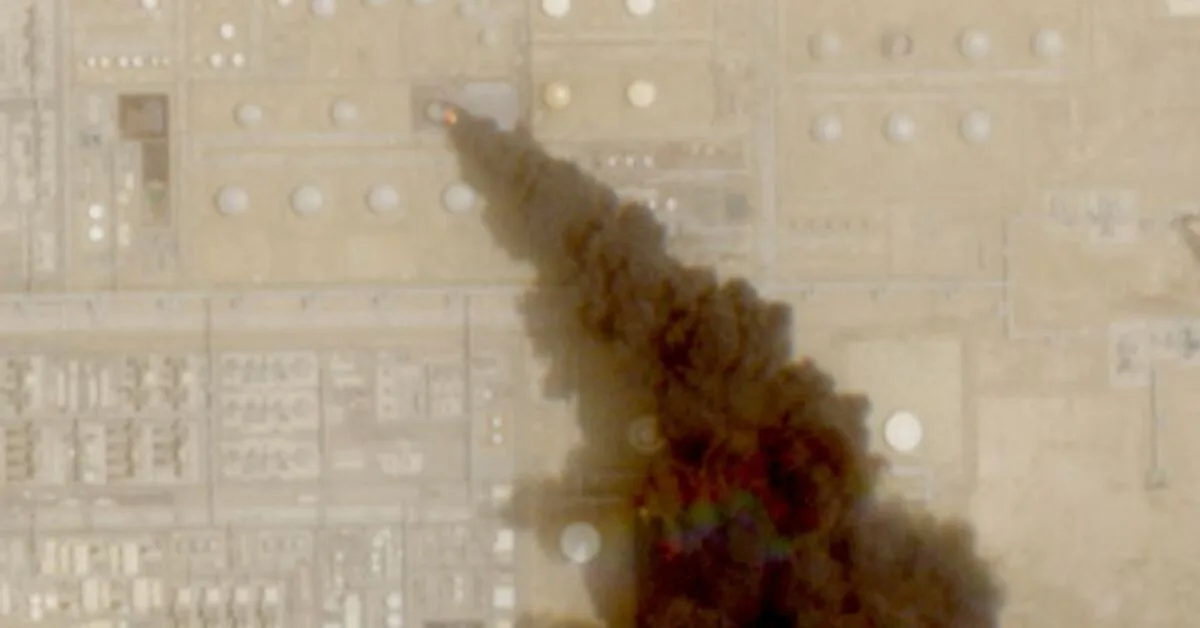
Recently, drone attacks on sections of the East-West pipeline in Saudi Arabia have temporarily halted this oil route. Saudi officials have announced that this pipeline has been shut down due to security considerations. However, complete details regarding the extent of the damage and the timeline for resuming its operations have not yet been released.
Read more: Saudi Arabia and the Houthis: Pressure on Pakistan's Policy Amidst the Conflicts
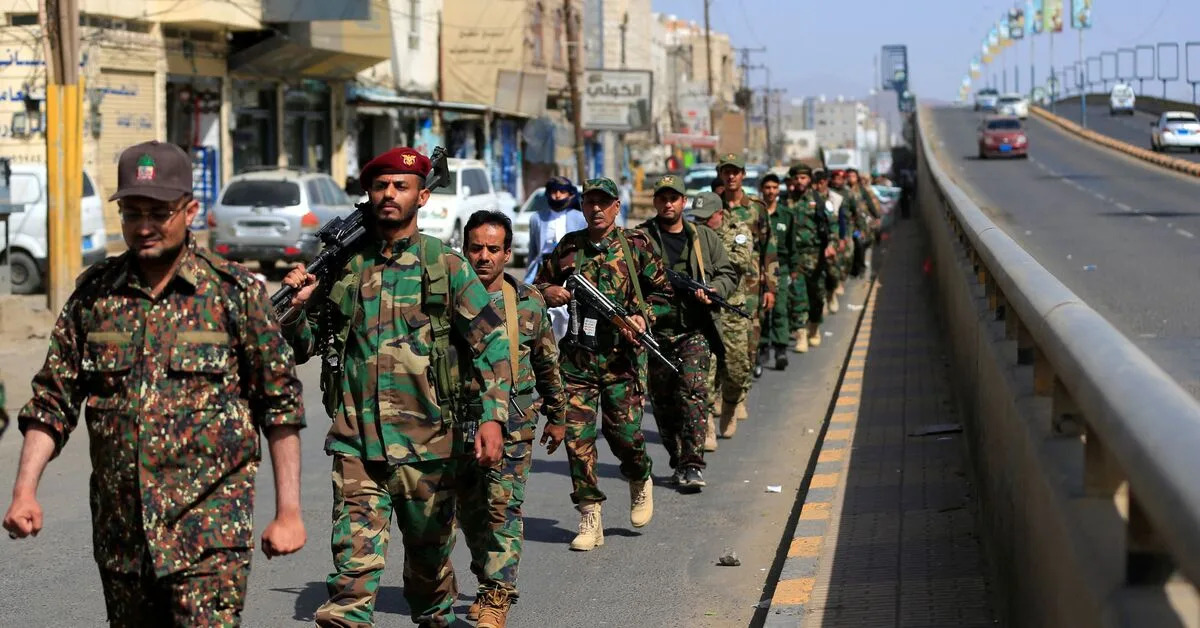
At the same time, Ansar Allah of Yemen has increased its attacks against targets in southern Saudi Arabia. This group has stated that its attacks are in response to Saudi attacks in Yemen. Riyadh has also resumed airstrikes against Ansar Allah positions; an action that increases the risk of a renewed escalation of the Yemen war.
Decline in Oil Exports and Economic Consequences
Saudi oil exports have also been affected by recent developments. According to published data, the country's oil exports fell to about 3.2 million barrels per day last month, described as the lowest level in at least 13 years. This situation raises many questions about Saudi Arabia's ability to manage the costs of war without directly entering it.
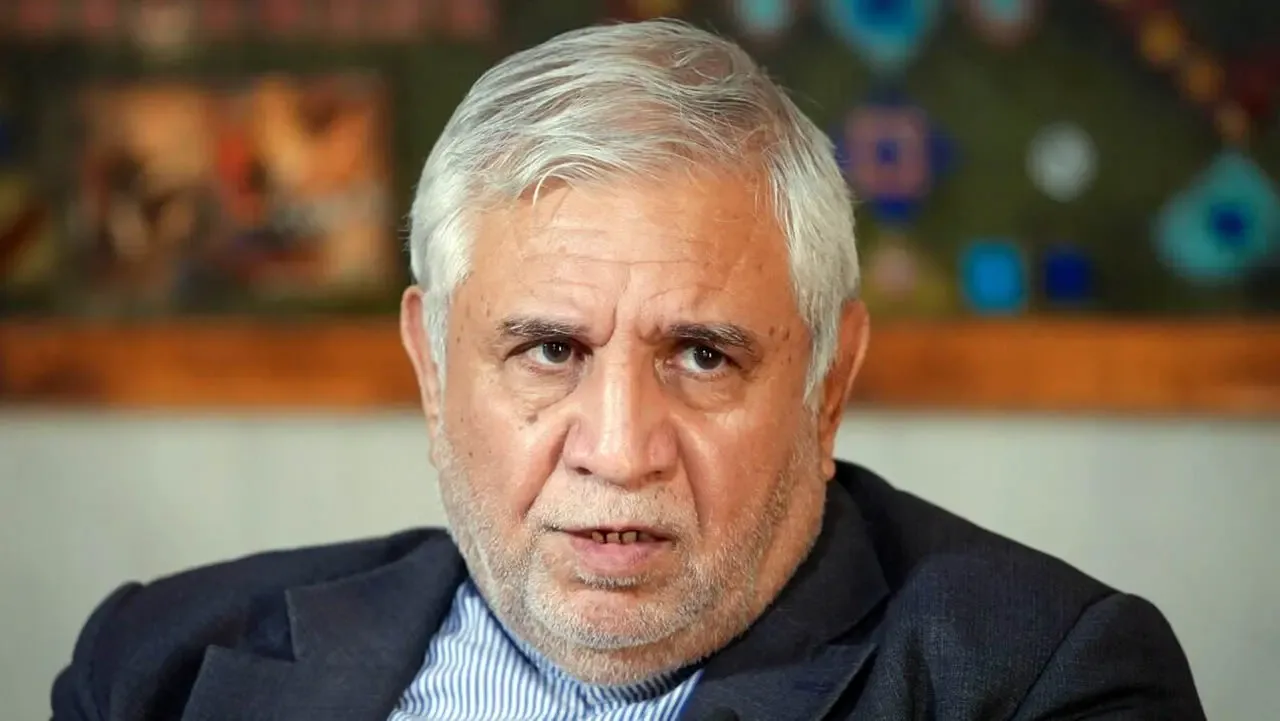
Mohsen Pak-Aein, former Iranian ambassador to Azerbaijan and an expert on international issues, believes that Gulf countries must realize that they cannot solely rely on the U.S. for their security and national interests. He believes that regional insecurity ultimately affects the security, economy, infrastructure, and export routes of countries above all else.
Pak-Aein also pointed out that instead of attempting to reduce regional tensions and move towards negotiation-based de-escalation, Saudi Arabia has become embroiled in escalating tensions with Ansar Allah. He emphasized that Saudi Arabia must be aware that these tensions may incur greater costs for the country.
He also referred to U.S. pressures on Saudi Arabia and Oman, stating that these pressures have rendered diplomatic efforts, such as holding the Oman meeting, fruitless. In this regard, Pak-Aein stressed that regional countries must conclude that the presence of foreign powers has not only failed to create sustainable security but has, in many cases, led to increased tensions.
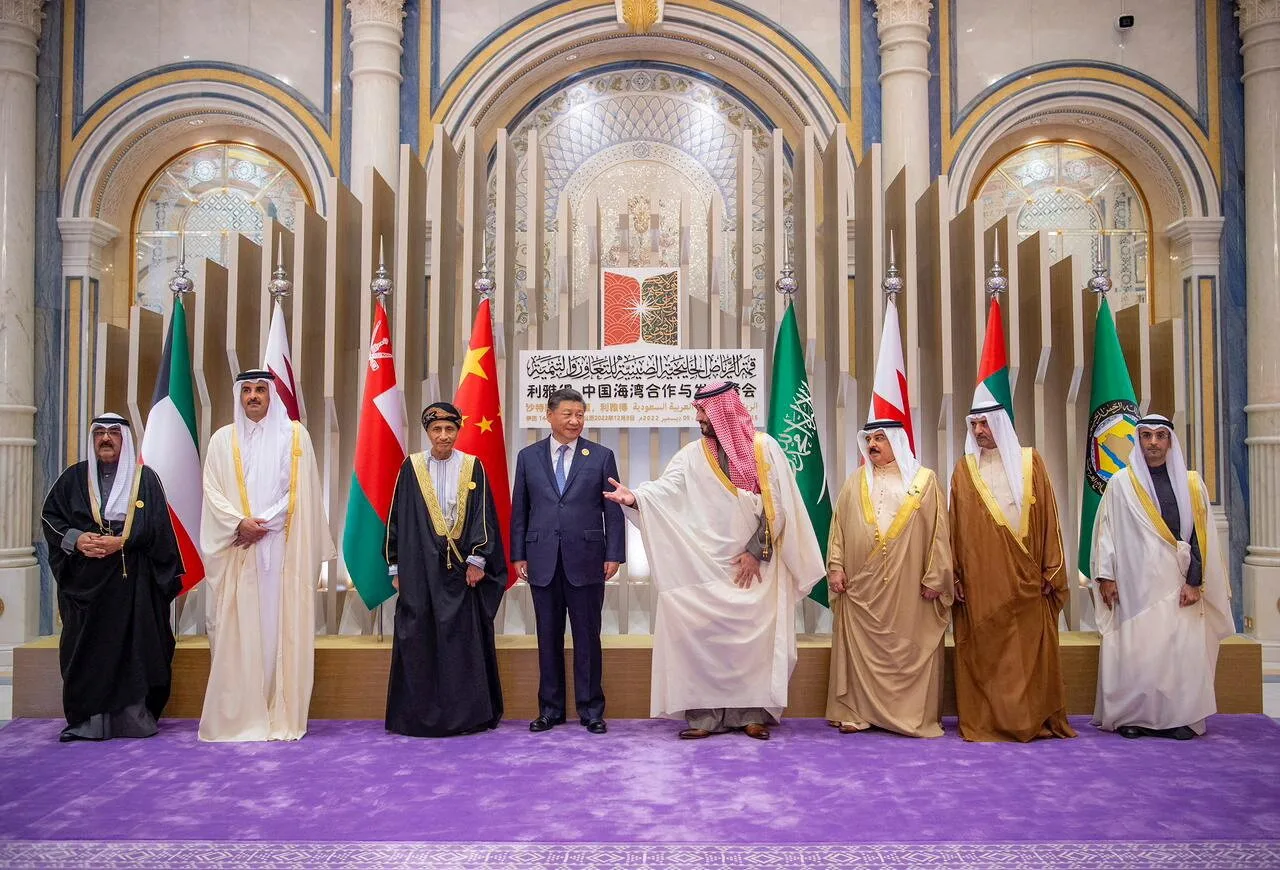
With this situation continuing, Saudi Arabia must seek to diversify its security partners and reduce its absolute dependence on Washington. However, it seems that security cooperation with the U.S. will remain important for Riyadh.
Read more: Switzerland's Challenge: Fighting Crime or Preserving Digital Privacy? · Disaster in Gaza: Building Collapse Leaves 21 Dead