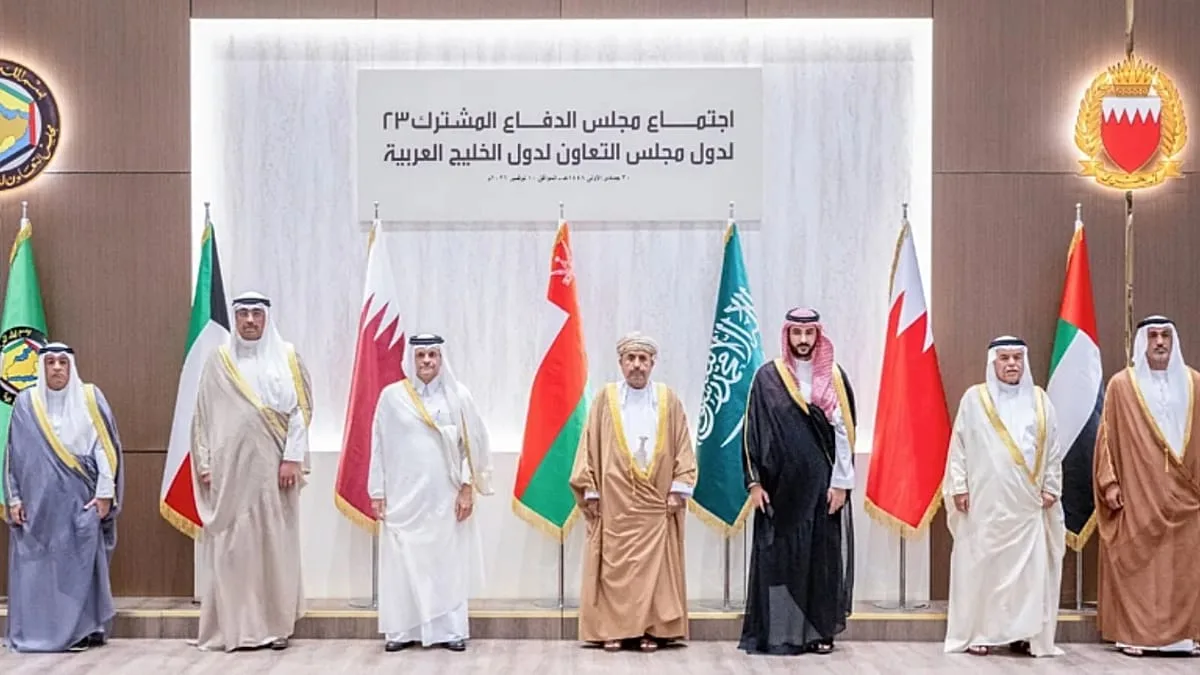
The Gulf Cooperation Council, which includes Saudi Arabia, the UAE, Qatar, Kuwait, Bahrain, and Oman, has decided to establish a "forward" and permanent headquarters for its joint military command in Kuwait. This action was approved following a meeting of the Council's Joint Defense Council and is influenced by recent crises in the region, particularly the repercussions of the U.S. and Israel's war against Iran and the threats arising from it.
Establishment of the New Headquarters and Its Objectives
Kuwait's selection as the location for this headquarters reflects the determination of the Arab Gulf states to strengthen military cooperation and enhance their defensive capabilities against potential Iranian attacks and other regional threats. Jasem Al-Budaiwi, Secretary-General of the Gulf Cooperation Council, announced that member states have also agreed to allocate "appropriate" forces for deployment at this center. In this context, this headquarters will operate as part of the "Joint Military Command" structure, with its main center located in Riyadh.
Read more: Dr. Noora Al-Mushaan visited Bahrain's infrastructure projects and emphasized close cooperation
Implications of the Joint Command Deployment in Kuwait
The new headquarters in Kuwait will serve as a forward command compared to the main headquarters in Riyadh, allowing forces to coordinate and respond more quickly in areas closer to military threats. Mohannad Saloum, a researcher at the Middle East Global Affairs Council, described this decision as a means of establishing a unified and sustainable presence in the northern Gulf. Kuwait's geographical position as a neighbor to Iraq and Saudi Arabia, and in proximity to Iran, makes it a pivotal point for military coordination.
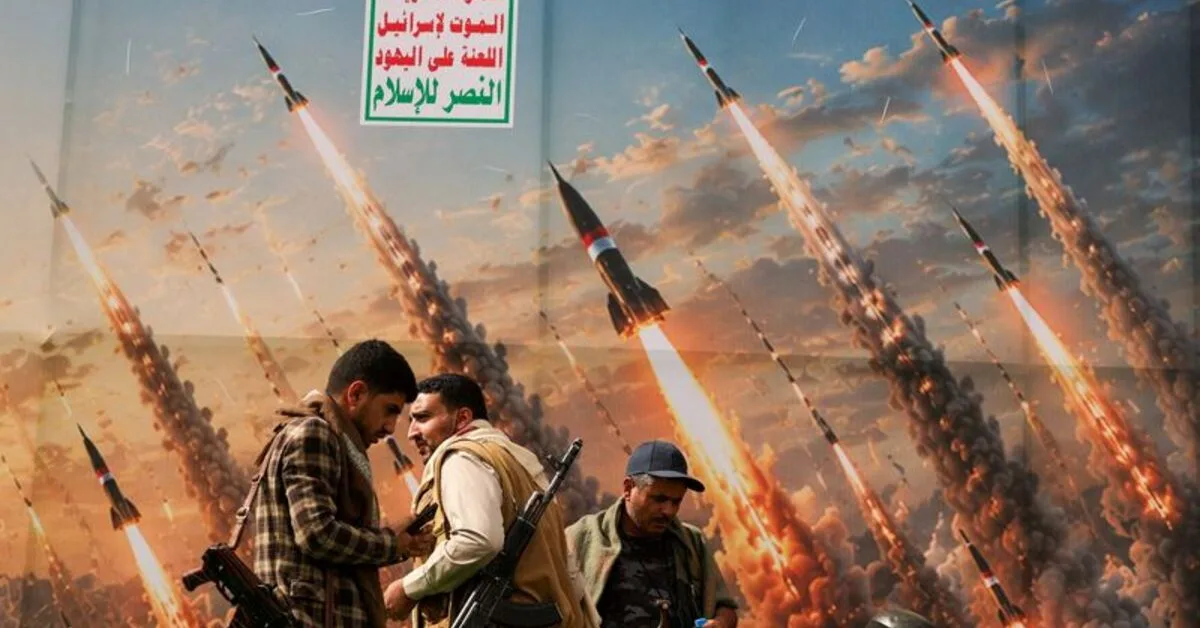
This decision comes at a time when Gulf countries are facing frequent missile and drone attacks from Iran and escalating conflicts in Yemen, particularly from the Houthis. The Gulf Cooperation Council has emphasized solidarity with Saudi Arabia and condemned the Houthi attacks. These developments reflect increasing concerns about the security of critical energy infrastructure and the region's oil and gas exports.
Ultimately, this action should not be interpreted as a distancing of the Arab Gulf states from the United States, but rather as a wake-up call for these countries to develop their independent deterrence tools against regional threats.
Read more: Gulf Cooperation Council approves the establishment of a military command headquarters in Kuwait · Meeting of the President of the Supreme Judicial Council of Kuwait with the Director General of Investigations of the Ministry of Interior