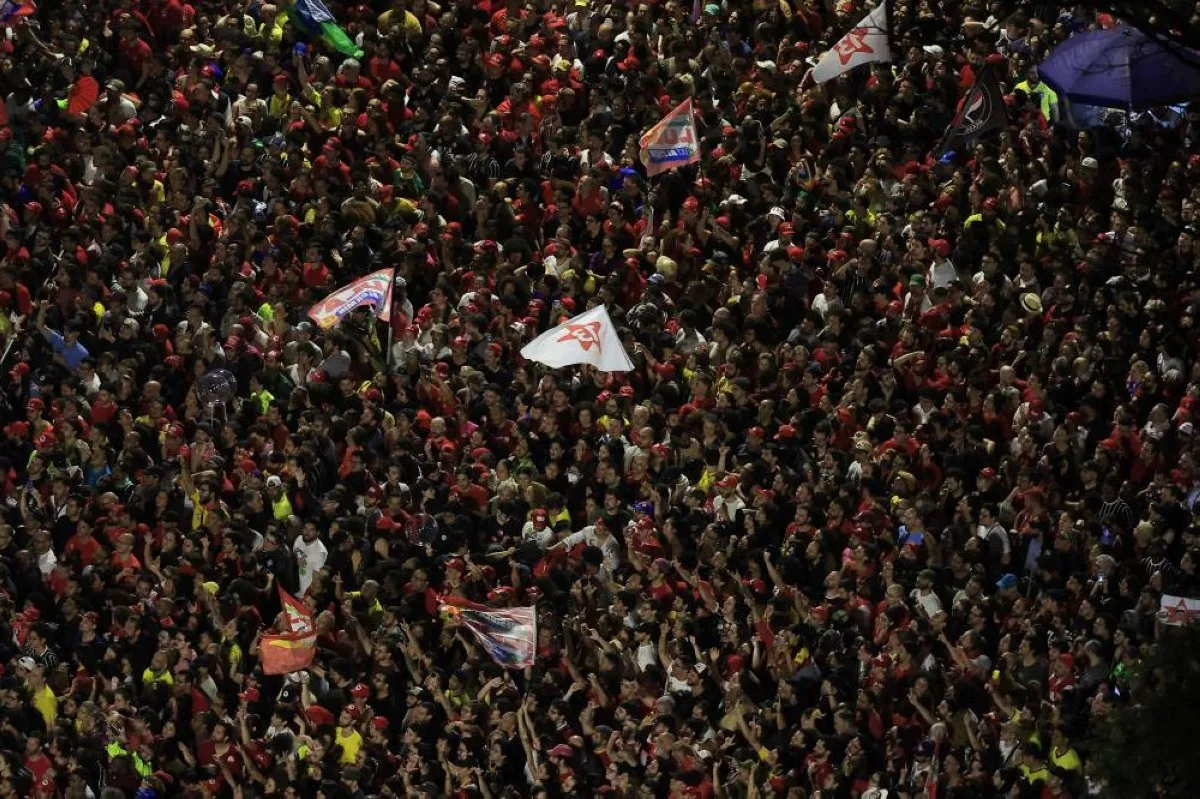
Luiz Inácio Lula da Silva, the President of Brazil, successfully won his fourth presidential term on Sunday with 51.8% of the votes in the recent elections. His opponent, Flávio Bolsonaro, who secured 48.2% of the votes, has refused to accept his defeat and announced that he would contest the election results.
Election Details and Reactions
According to official results, Lula won by a margin of nearly 4.4 million votes. This election is recognized as a historical milestone since 1989, when the first direct elections were held after the end of military rule in Brazil, as no candidate who lost in the first round has ever won in the second round. Lula, who will turn 81 on Tuesday, achieved this victory despite predictions.
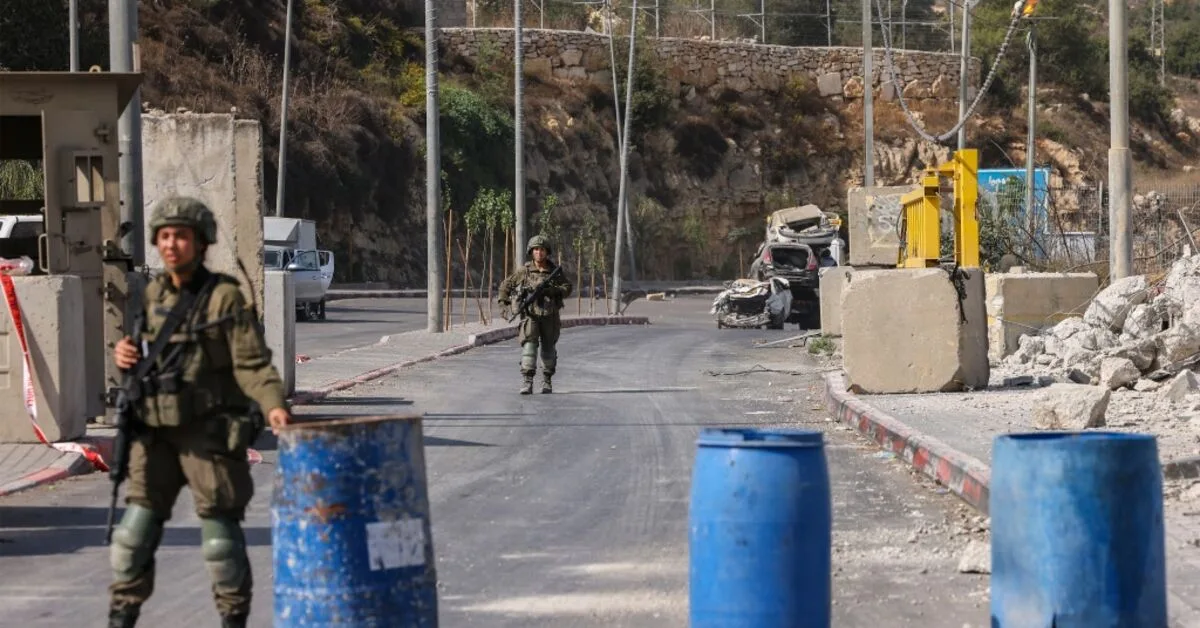
Read more: Closure of all land crossings of Israel with the West Bank on election day
Flávio Bolsonaro, a senator and son of former President Jair Bolsonaro, who is serving a 27-year sentence for attempting a coup, stated in Brasília: "This result is unacceptable, and I will seek to annul this election." He criticized the Supreme Court's decision to extend the voting time by two hours, calling it a dirty trick.
Impacts and Consequences of Lula's Victory
In his first reaction after the victory, Lula said: "People came to the polls because of the importance of voting to ensure democracy." After losing in the first round, Lula's supporters held large rallies under the slogan "Never Bolsonaro Again" and employed new strategies on social media. The abstention rate also decreased from 21% in the first round to 19%.
Lula's campaign accused Meta, the owner of WhatsApp, Facebook, and Instagram, of bias against his opponent. Meta denied this but acknowledged that some campaign ads were incorrectly deactivated due to technical errors. After his victory, Lula pointed out the need to regulate laws regarding social media companies.
Lula's victory contrasts with right-wing changes in neighboring countries, including Argentina, Chile, Colombia, and Peru, which were supported by former U.S. President Donald Trump. He emphasized that "this country will not accept being anyone's backyard" and stressed the issue of sovereignty against the pressures of Washington's trade and diplomatic policies.
Lula was elected President of Brazil in 2003 and returned to office in 2006. He resumed his position in 2022 after having his corruption conviction annulled, which had imprisoned him for over 18 months. During his third term, Lula managed to reduce inflation and unemployment rates and improve the living conditions of millions, yet many voters remain concerned about the high cost of living and crime.
Flávio Bolsonaro, 45, presented himself as a more moderate figure than his father and managed to garner support from conservatives and voters seeking change. Lula also received congratulations from Chilean President José Antonio Kast and Ecuadorian President Daniel Noboa, both of whom are close to Trump. Mexican President Claudia Sheinbaum also wrote in a message: "Long live democracy, the people of Brazil have won."
Read more: Widespread protests in France; nearly 1,000 people were arrested · Arab-Israeli parties seeking to create an opposition alliance in Israel