A large-scale demonstration held on Wednesday in Spain resulted in violence in Madrid and Barcelona. This protest was sparked by grievances over housing costs and the decreasing purchasing power of the people, just a few weeks before the early elections.
Significant Number of Participants
Approximately several hundred thousand people participated in Spain's first nationwide 24-hour strike since 2012. Officials estimated the number of protesters in Madrid to be around 120,000 and in Barcelona 55,000. These protests were particularly ignited by the eviction of an 87-year-old retiree from Madrid in recent September.
Violence and Clashes with Police
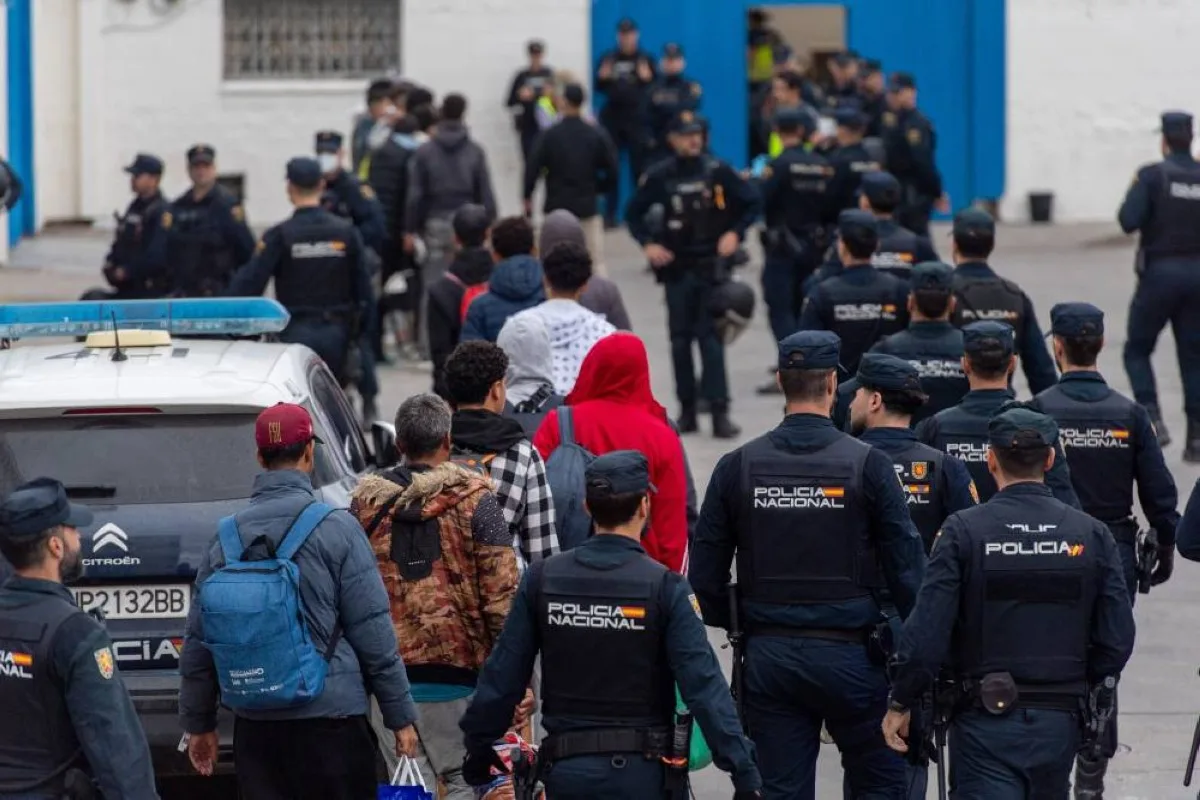
After the protests ended, groups of masked protesters threw objects at the police and started fires in both cities. Footage released from Barcelona shows trash, bicycles, and pots burning, while police vehicles moved rapidly through the streets. The police used rubber bullets and tear gas to disperse small groups of protesters, arresting 18 individuals in Barcelona.
Reactions to the Protests and Upcoming Elections
These protests are seen as a sign of public discontent ahead of the November 29 elections. In this election, the right-wing coalition led by opposition parties is expected to defeat Socialist Prime Minister Pedro Sánchez. Sánchez decided to call for early elections due to his failure to secure parliamentary approval for a package of housing measures designed to address the grievances.
Testimonies from Protesters
Paula Diaz, a 25-year-old theater technician living with her parents, stated: "People work very hard, and their income is not enough to pay rent and housing costs." Additionally, Maria Pinana, a 34-year-old microbiologist, pointed to the rental situation, saying: "Rent prices need to be regulated." These protests reflect deeper economic and social concerns among the people of Spain.
Reactions from Unions and Businesses
UGT union leader Pepe Alvarez told the media that participation in the protests was “very high” and that the strike is considered “a great success.” However, the union emphasized that participation was uneven across different sectors. On the other hand, the CEOE business confederation labeled the strike a “failure” and stated that activity in most sectors continued normally.
While public transport in Barcelona was disrupted despite minimum service requirements, Madrid's metro announced that 93 percent of trains continued to operate early in the morning, although the number of passengers had decreased by about half.
Read more: Italy: Evacuation of Hundreds of Schools After Bomb Threat · Deadly High-Speed Train Crash in Southern Madrid