Mohammad Javad Haqshenas, in a note titled "From the Battlefield to Regional Cooperation," analyzed the security situation in the Persian Gulf and the necessity of cooperation among coastal countries. He believes that this region, which has always been a crossroads of global powers' interests and regional rivalries, can become a platform for cooperation and development.
Security Challenges and the Necessity of Cooperation
The current crisis between Iran and the United States has once again raised the question of whether the security of the Persian Gulf should be subject to the competition of powers or if coastal countries can take greater responsibility in building their shared future. In this context, the diplomatic efforts of Qatar and Pakistan to reduce tensions between Tehran and Washington have garnered more attention. Abbas Araqchi, Iran's Foreign Minister, welcomed the U.S. efforts for dialogue in a recent conversation but emphasized that a direct negotiation has not been planned.
The Role of Mediation and Media Diplomacy
Haqshenas highlighted the importance of Qatar's role in this regard, stating that mediation should go beyond message transmission and lead to practical agreements and verification mechanisms. Past experiences have shown that expressing readiness for negotiation without an agreement on how to implement commitments cannot help reduce distrust. At the same time, Araqchi's dialogue with the media should be regarded as a positive initiative in Iran's public diplomacy.
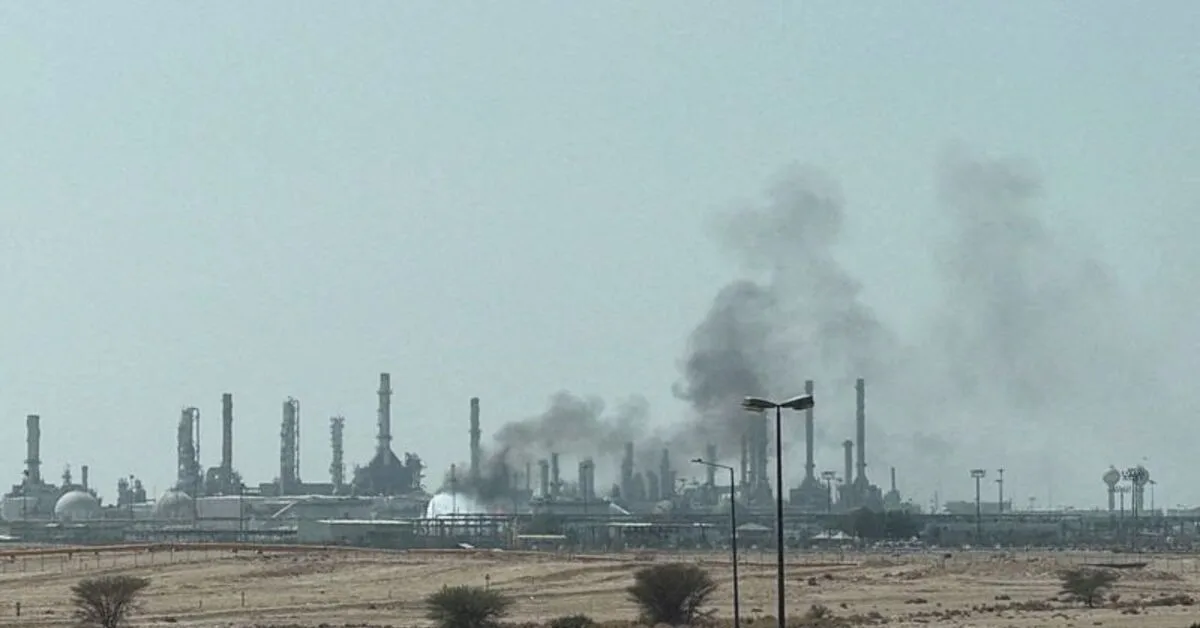
The Strait of Hormuz, as a point of convergence for security and economic concerns, requires special attention. The security of the coasts and sovereign rights for Iran and the continuity of energy exports for neighbors are among the key issues. Especially as reports about maritime incidents indicate the fragility of maritime security, disruptions in shipping can lead to distrust and increased security costs.
In conclusion, Haqshenas pointed out that regional cooperation can start from practical and common issues and help create mechanisms for managing disputes. He believes that sustainable security in the Persian Gulf cannot be solely dependent on a potential agreement between Iran and the U.S., and all coastal countries must play a role in this path.
Read more: Kuwait: Six people arrested in four drug cases · The Islamic Consultative Assembly of Iran examined the issue of withdrawal from the NPT