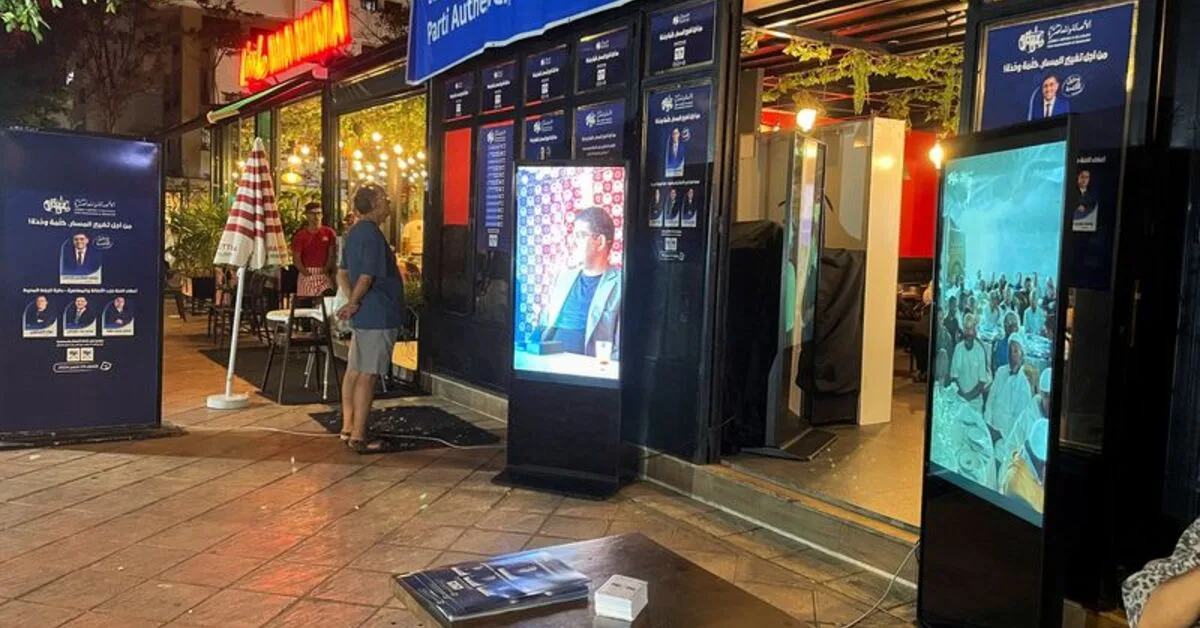
Moroccan political parties are working to encourage young people to participate in the upcoming elections on September 23. These efforts come in the wake of last year's social unrest and economic crises stemming from public dissatisfaction in the country. Economic and social disparities have been identified as key factors behind this dissatisfaction.
Economic Challenges and Youth Discontent
Morocco has seen advancements in some sectors such as industry, ports, and railways in recent years, but these improvements have not been evenly distributed, and young people are struggling significantly with economic issues. According to statistics, youth unemployment has reached about 27 percent, the highest unemployment rate across various age groups. Additionally, one-third of Moroccan youth are neither working nor studying or training.
The upcoming elections mark the fourth round of elections since the Arab Spring protests in 2011, which led to a greater division of power between the monarchy and parliament. Major parties, including the National Rally of Independents (RNI) and the Authenticity and Modernity Party (PAM), have used job promises as the main focus of their electoral campaigns, intending to create about one million jobs in the next parliamentary term.
Lack of Trust Among Youth in Political Parties
The registration rate of young people aged 18 to 24 in the elections comprises only about 3 percent of this age group's population. Surveys indicate that only one-third of youth aged 18 to 35 trust the parliament, the prime minister, or political parties. This lack of trust stems from a feeling of no change in policies and the repetition of empty promises by parties.
Analysts believe that youth dissatisfaction with party policies and the lack of tangible changes in their daily lives could lead to even lower participation in elections. Mohamed Mesbah, head of the Moroccan Policy Analysis Institute, stated that the widespread migration efforts towards Ceuta in July are seen as a new form of social protest, indicating the physical exit of youth from Moroccan politics.
Given Morocco's political system, the monarchy still maintains overall control over the country's macro policies, and parties focus more on how to achieve the court's goals rather than competing over a comprehensive development model. This situation allows parties to discuss specific policies, but real power remains with the monarchy.
Ultimately, despite Morocco's ambitious economic plans, public dissatisfaction due to high unemployment and lack of access to suitable job opportunities continues. This situation could profoundly impact the country's political future and pose serious challenges for political parties in gaining the trust of young people.