In a round of diplomatic negotiations specifically focusing on security and economic challenges in the Persian Gulf, the foreign ministers of South Korea and Iran exchanged views on the situation in the Strait of Hormuz and recent developments in Yemen. These discussions, taking place against the backdrop of increasing tensions in the region, reflect the shared concerns of both countries regarding maritime security and regional stability.
Houthi Movements and Strategic Importance
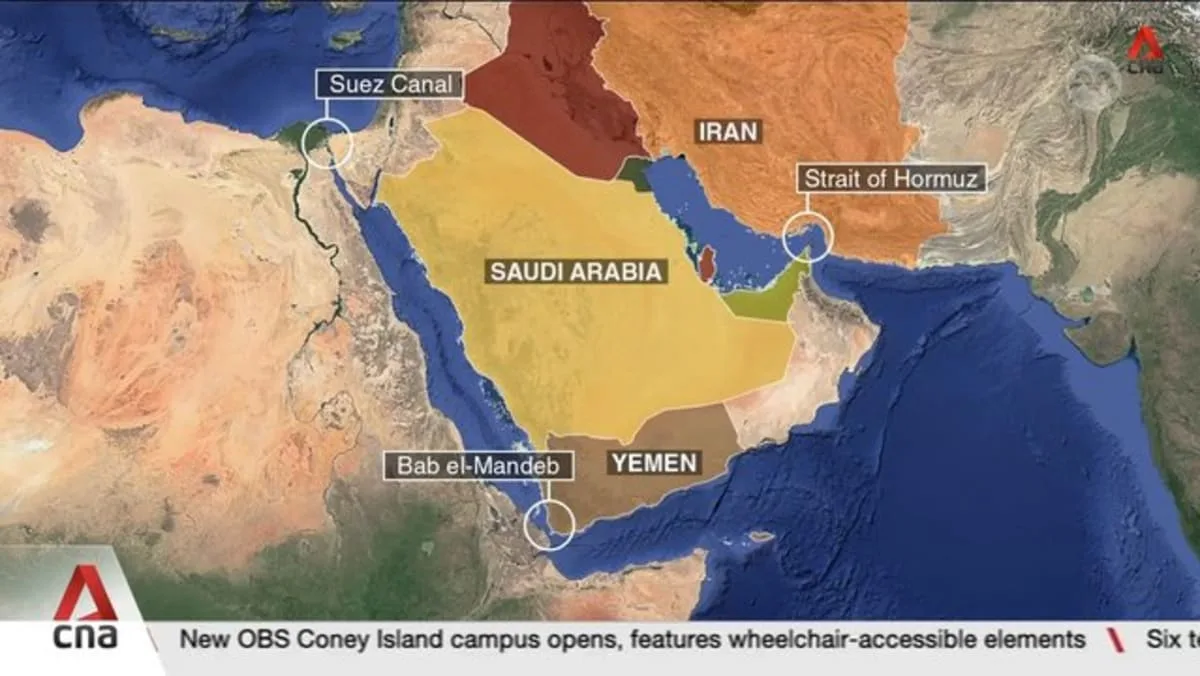
Recently, the Houthis have posed a serious threat to maritime security and global trade by seizing a strategic island in the Bab al-Mandab Strait. This island, recognized as a key point in maritime routes, could be used as a base for military and economic operations. This situation has raised serious concerns for the Gulf countries, particularly Iran.
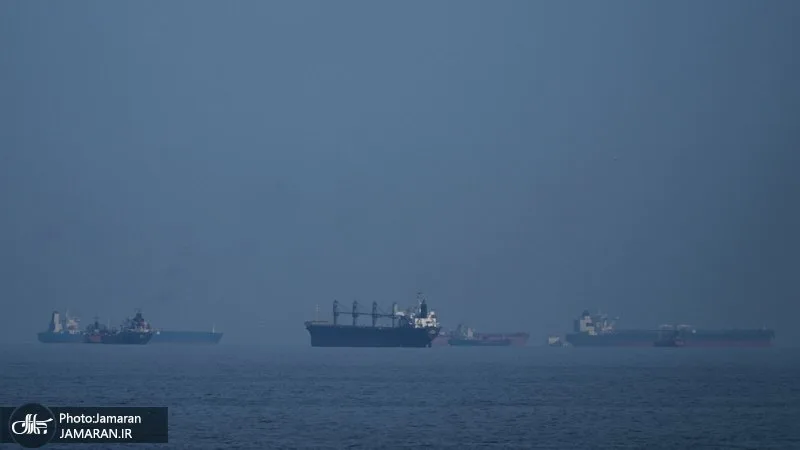
Meanwhile, the foreign ministers of South Korea and Iran emphasized the need for greater cooperation to address existing challenges. They highlighted the importance of maintaining security in the Strait of Hormuz as one of the main routes for the transportation of oil and global goods. These negotiations occur in a context where tensions in the region have increased due to the military and political activities of the Houthis and the military movements of other countries in the Persian Gulf.
Economic and Security Concerns
Given that the Strait of Hormuz is recognized as a strategic passage for oil tankers and global trade, any instability in this region could have serious economic consequences for oil-dependent countries and global trade. The foreign ministers of South Korea and Iran, emphasizing the need for international cooperation to maintain security in this area, explored possible solutions to reduce tensions and enhance maritime security.