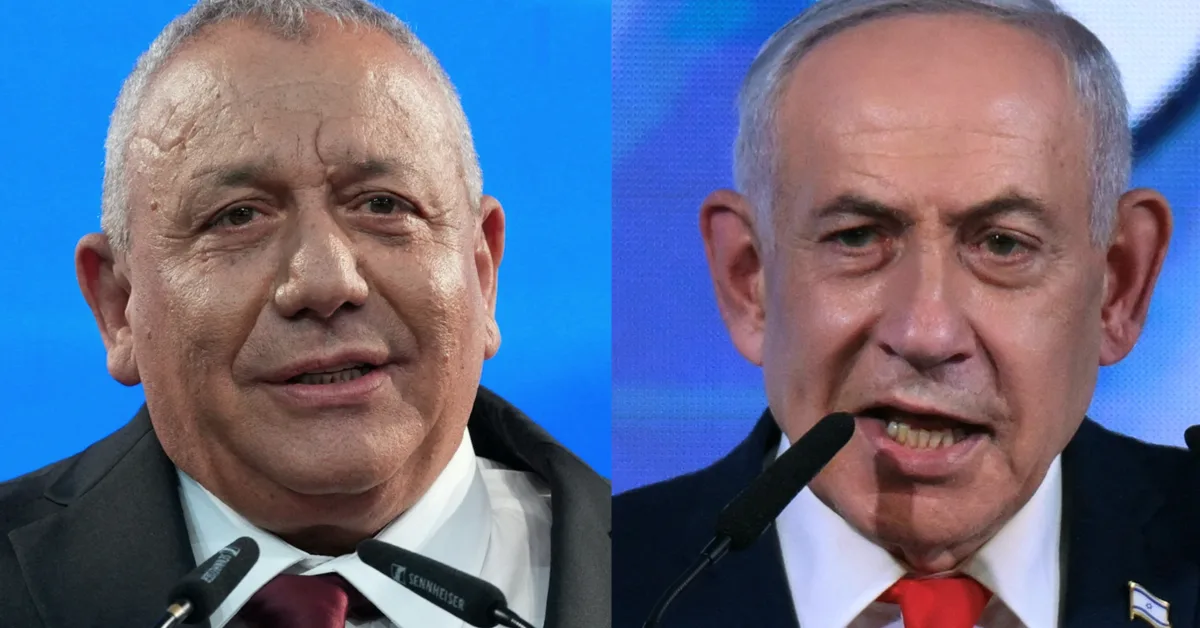
Netanyahu, the Prime Minister of Israel, is facing a serious challenge in forming a government following the recent elections held on October 27. While his Likud party topped the elections with 27 seats, he has yet to secure the necessary majority to form a government.
Current Political Situation
The Likud party, along with its allied parties, holds only 53 of the 120 Knesset seats, while 61 seats are needed to form a government. On the other hand, the rival bloc led by Gadi Eisenkot has only secured 48 seats. This situation has made it difficult for either side to focus on forming a government.
Increased Support for Arab Parties
One significant outcome of this election was the remarkable increase in support for Arab parties in Israel. The Arab minority, which constitutes about 21% of the population, passionately participated in the elections, allocating 19 seats to their political representatives. This success reflects deep changes in public opinion and the need for a shift in national policies.
Netanyahu is attempting to launch a campaign to undermine the credibility of Arab parties to prevent Eisenkot from forming a government. He aims to reduce the influence of these parties in Israel's political arena, and this effort could have profound implications for the country's political future.
Challenges Facing Netanyahu
Netanyahu's efforts to weaken the credibility of Arab parties may face negative reactions from various segments of society. The increased support for Arab parties indicates public dissatisfaction with existing policies and a desire for change. In this context, Netanyahu must be cautious that his actions may lead to greater distrust among the Arab minority and even the larger Israeli society.
Ultimately, Israel's current political situation faces serious challenges. Netanyahu and Eisenkot must seek solutions to navigate this political deadlock while also addressing the needs of the Arab community and other sectors. This issue could help rebuild relations between minorities and the Israeli government and impact the country's political future.