As the escalating crises in Iran and existing doubts about the United States' supportive capabilities are intensifying, the Gulf countries are considering establishing new and more sustainable relations with Asian powers like China, India, and Turkey.
New Alliances on the Horizon
In this context, Gulf countries, especially Saudi Arabia and the United Arab Emirates, are seeking to expand economic and military cooperation with these Asian powers. This shift in approach signifies a reduction in dependence on U.S. military support and a search for alternative options. Gulf countries are increasingly concluding that, under current conditions, ensuring their security must be based on new relationships with stronger and more independent partners.
Future Challenges
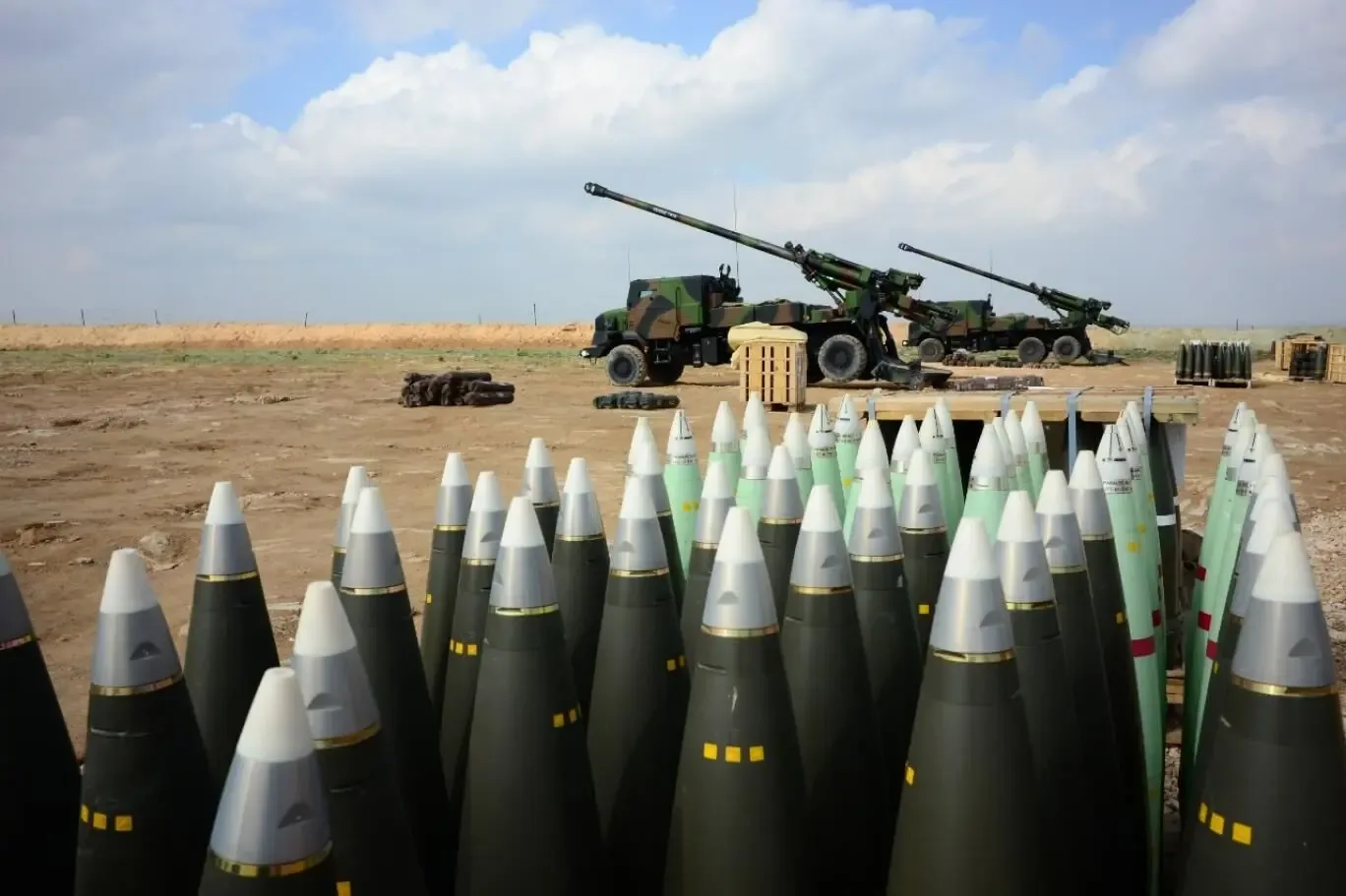
Doubts about the United States' ability to act as a reliable supporter against regional threats, including Iran's nuclear issues and escalating tensions in the Middle East, have led Gulf countries to move towards forming new alliances. This shift in approach seems particularly beneficial for China and India in terms of arms supply and military technologies, as they seek to expand their influence in the region.
Ultimately, these developments could not only lead to profound changes in the balance of power in the Middle East but could also have broader global implications. By expanding economic and military relations with China and India, Gulf countries are striving to not only secure their own safety but also to become an independent player in international equations.