The International Monetary Fund (IMF) predicted that global economic growth in 2026 will decline less than previously thought, due to the "resilience" of advanced economies against energy prices stemming from the war. In its new report released at its annual meetings in Bangkok, the organization raised its global growth forecast by 0.1 percent to 3.1 percent, while the growth rate for 2025 is estimated at 3.5 percent.
Warning about the Vulnerability of Low-Income Countries
The International Monetary Fund warned that while many advanced economies have been bolstered by investments in artificial intelligence (AI) technology, poor countries that do not benefit from this boom face difficult choices. Silvana Tenreyro, the IMF's chief economist, emphasized that "the global economy has been resilient, but this resilience is under pressure and growth risks are tilted to the downside."
Read more: Brent oil price rises to $104 and its impacts on the market
Impact of War on Energy Prices and the Global Economy
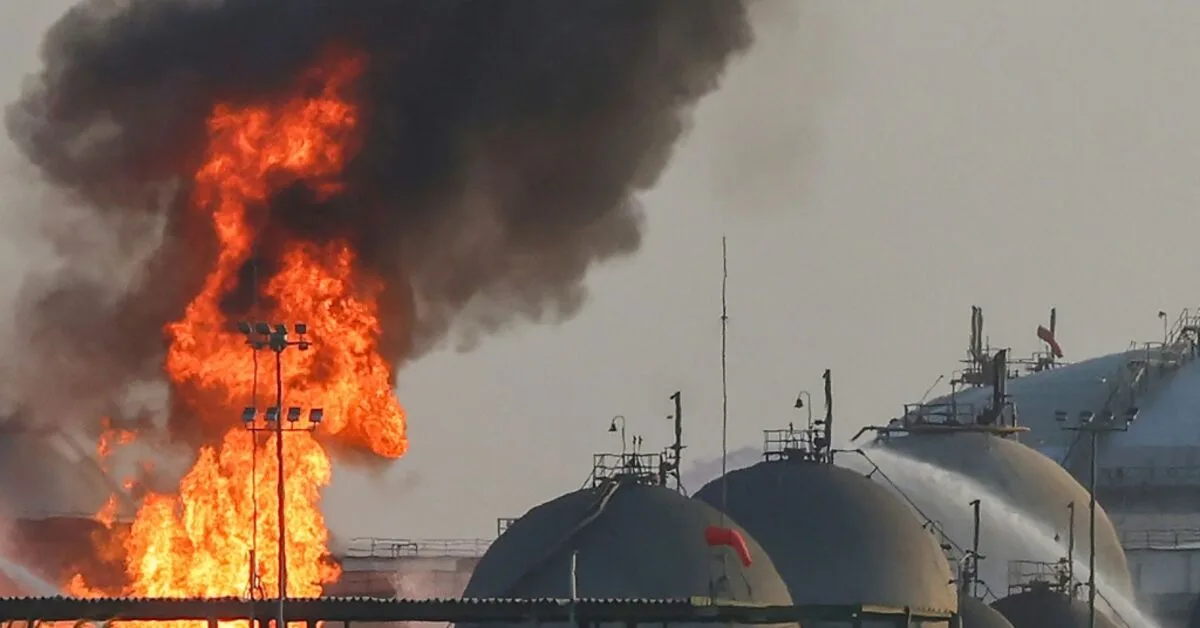
The U.S. war against Iran, which began in February, has plunged the Middle East into violence and significantly increased global energy prices. Prices for refined oil products remain between 70 to 95 percent higher than pre-war levels, putting significant pressure on energy-importing countries. Tenreyro warned that "a prolonged conflict in the Middle East could exert further pressures on inflation and slow down growth."
This war is in its eighth month, and it is expected that energy-importing countries not benefiting from the AI boom will be the most vulnerable. The IMF has termed this situation a "dual outlook."
While advanced economies continue to grow, the Fund predicts that these countries will grow by 2.1 percent in 2026, while developing countries will face economic challenges, with the Middle East and Central Asia expected to experience a 0.3 percent economic contraction due to the impacts of the war.
Read more: Positive growth in Oman's Islamic banking sector in 2026 · Portuguese Prime Minister emphasized the legality of using Lajes Air Base