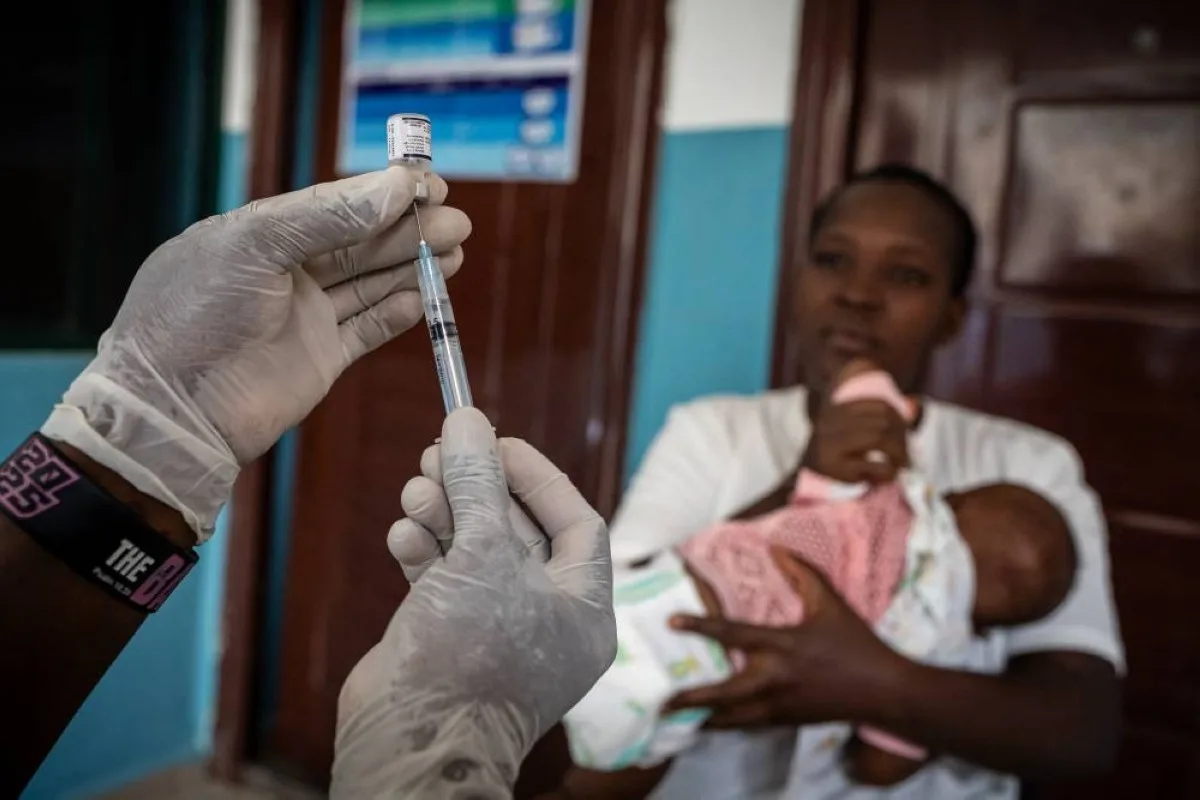
Nigeria is gradually and carefully administering the malaria vaccine to its children. This vaccine, recognized as the world's first malaria vaccine, arrived in the country in late 2024 and has revived hopes for reducing fatalities caused by this disease, especially among children. Malaria, one of the deadliest diseases in Nigeria, claims nearly 200,000 lives annually.
Vaccine Distribution and Its Impact
So far, nearly 250,000 children in Nigeria have been fully vaccinated, and 1.8 million doses of the vaccine have been administered to children. Some local communities have reported a significant decrease in child mortality due to malaria. For instance, Izibaniyanami Paul, a 24-year-old hairdresser in the Oroma area, said after administering the last dose of the vaccine to her daughter: "This makes me happy. My daughter has never contracted malaria." The cost of malaria treatment for her is 5,000 Naira (equivalent to $3.75), which she considers very high.
Challenges and Progress
Hadida Hussein Jibril, a representative of the NGO PATH, described the malaria vaccine as a significant advancement but emphasized that the vaccine does not provide 100 percent protection. Despite these limitations, Bayelsa State has witnessed an 18 percent reduction in malaria infection rates among children under five years old. In this state, healthcare workers are implementing a four-dose program for children in their first 15 months of life.
The primary health center in the Ogbia area, Elizabeth Ogisi, recalls that before the introduction of the vaccine, numerous cases of malaria caused seizures in children. She said: "Since the introduction of the vaccine, we have not recorded any child deaths." These advancements occur while Nigeria, with a population of 240 million and 68.5 million malaria cases annually, still needs to expand vaccination efforts.
Despite existing challenges, the efforts made to ensure effective vaccine distribution in remote areas, including sending vaccines by boat and administering injections at homes, demonstrate Nigeria's determination to combat this deadly disease. Mohammed Afolabi, one of the directors at the London School of Hygiene and Tropical Medicine, pointed to the problems in Nigeria's health system and said: "The oil wealth seen in Bayelsa State does not automatically translate into efficient primary health services."