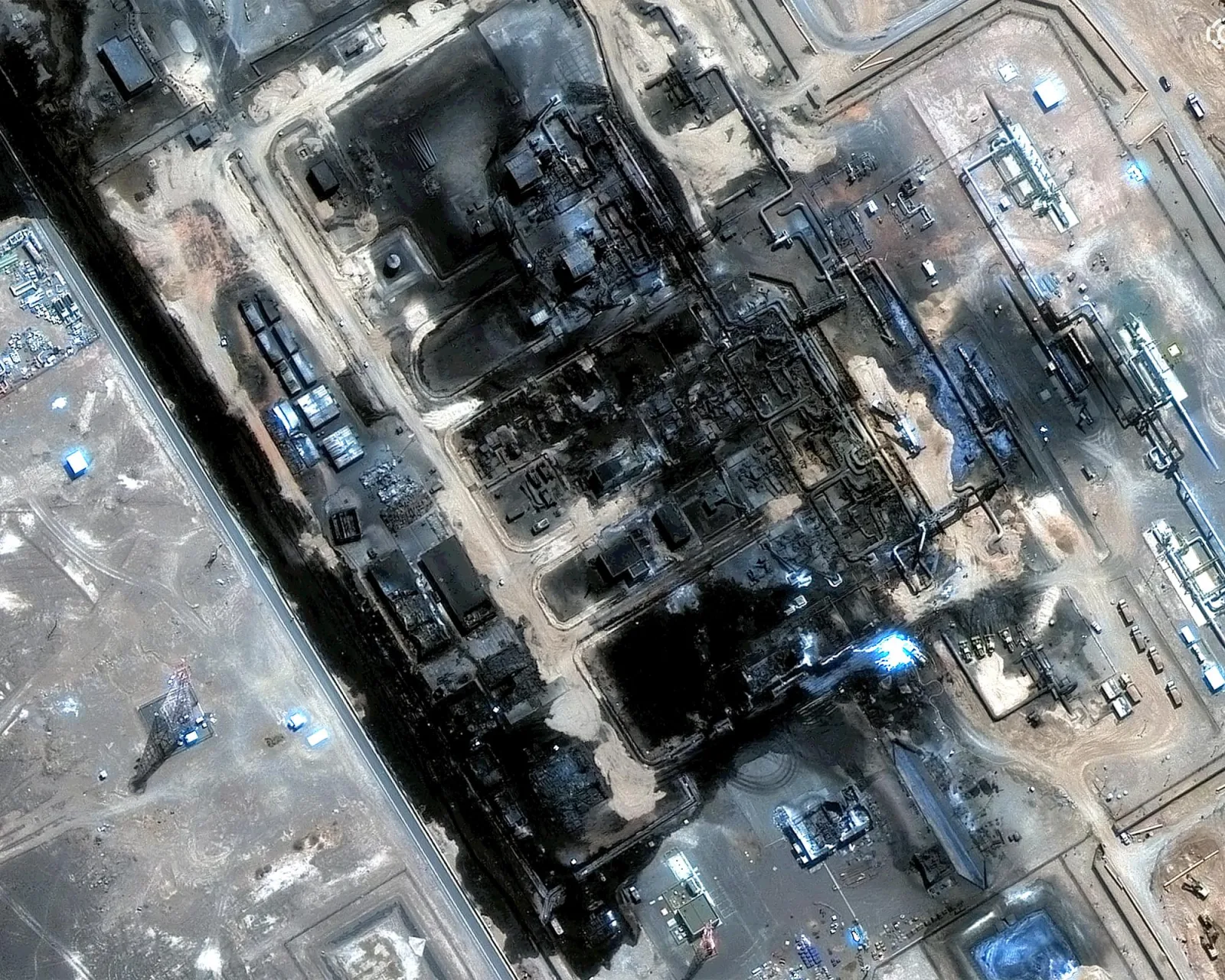
The rise in oil prices to over $108 per barrel signals new developments in the global oil market. This price increase occurred following a series of drone attacks by the Houthis in Yemen on Saudi Arabia's oil infrastructure and the shutdown of the country's East-West oil pipeline.
Details of the Attacks and Their Impact
In recent days, the Houthis have targeted Saudi oil facilities, leading to the shutdown of the East-West oil pipeline, which is one of the most important routes for transporting oil from Saudi Arabia to global markets. These attacks have had widespread effects on oil prices and financial markets, resulting in a 3.25% increase in Brent crude prices to $108.03 on Monday.
Read more: Oman's Ministry of Commerce and Industry: New Condition for Supplying Cryptocurrency Mining Devices
Economic and Security Consequences
This increase in oil prices, in addition to its economic impacts, could also have security implications. Given the strategic importance of this pipeline, its shutdown could lead to greater volatility in the oil market and increased tensions in the Persian Gulf region. Furthermore, this situation could negatively affect the economic plans of oil-dependent countries and lead to instability in global markets.
Some analysts believe that rising oil prices could benefit oil-producing countries, but at the same time, they could create pressures on consuming countries that are looking to reduce energy costs. Additionally, this situation may exacerbate political and military rivalries in the region.
Read more: GCC Financial Markets Worth $618 Billion Experience Significant Surge · USA: Passage of Ships Through the Strait of Hormuz is Extremely Difficult