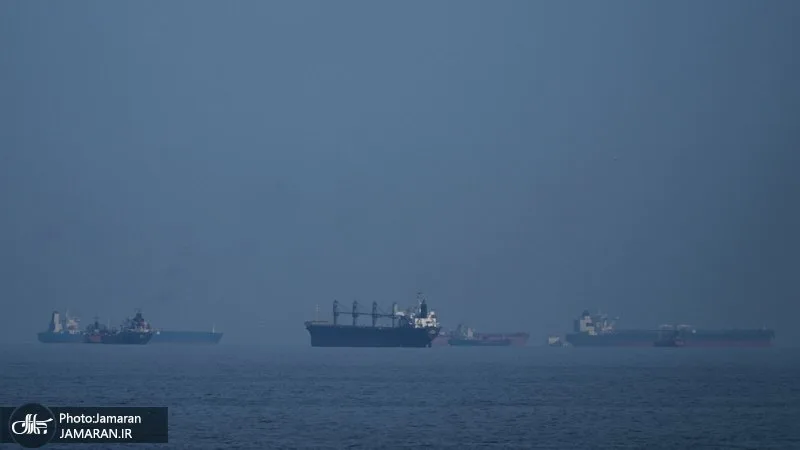
In the latest statement from the U.S. Maritime Coordination Center, it has been emphasized that the passage of ships through the Strait of Hormuz has become one of the serious challenges for maritime security. This entity has announced that, given the increasing threats from Iranian forces against commercial vessels, nighttime passage for these ships is not considered the safest time to navigate in this area.
Heavy Costs for Washington
This statement comes as the United States is trying to ensure the security of the Strait of Hormuz amid sanctions and economic pressures against Iran. However, the reality is that every military flight and maritime activity in this region incurs heavy costs for Washington. It seems that the United States is evaluating its strategies to manage the new threats posed by Iran and other regional actors.
Meanwhile, experts believe that the Strait of Hormuz, as one of the most important trade routes in the world, requires more special measures. With increasing tensions and security threats, concerns about maritime transport security in this area have significantly risen. Many commercial fleets are taking more cautious steps when navigating these sensitive waters.
Analysts point out that although the United States is trying to maintain maritime security in the Strait of Hormuz, the existing challenges, particularly from Iranian forces, have made it difficult for Washington. This situation seems likely to have significant impacts on global oil markets and maritime trade.
Ultimately, the current situation in the Strait of Hormuz reflects a serious crisis in international relations and escalating tensions in the Middle East, highlighting the need for more diplomacy and dialogue.