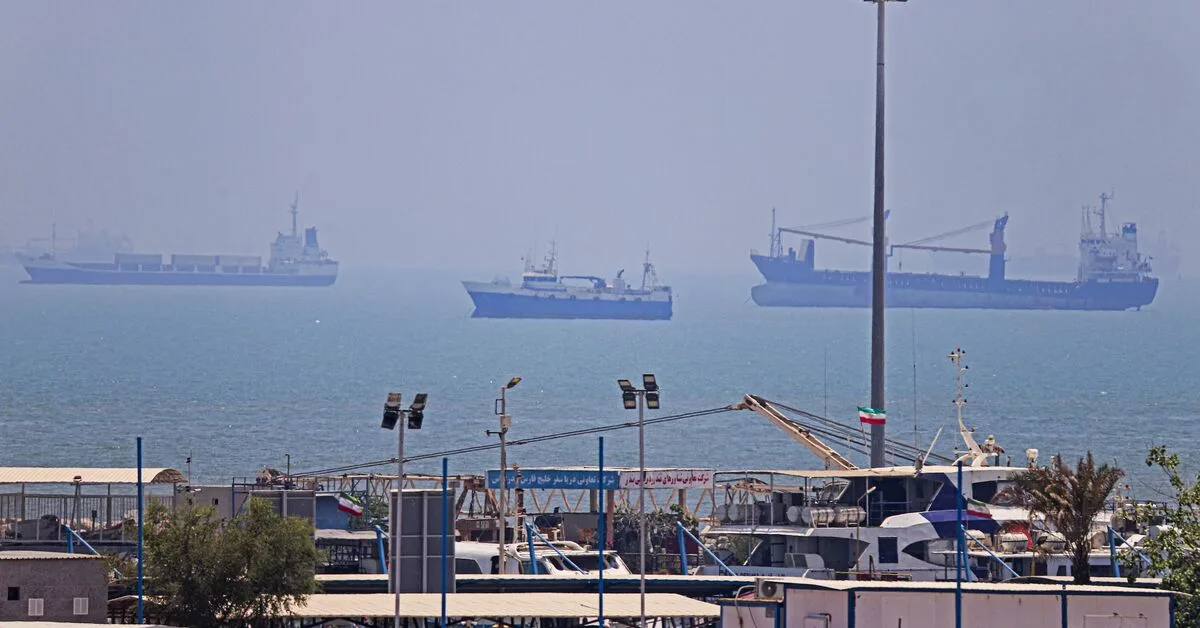
Oil prices increased by more than 3% on Monday, as hopes for reopening the Strait of Hormuz, one of the key routes for energy transportation, diminished due to President Donald Trump's rejection of Iran's proposal.
Details of the Oil Price Increase
Brent crude oil, as the international benchmark for oil prices, rose by more than 3% on Monday, reaching $105.03 per barrel. This price increase occurred amid reports of stalled negotiations to reopen the Strait of Hormuz. This strait is one of the most important routes for energy shipments, and any tensions there could have a profound impact on global oil markets.
Read more: The Sultanate of Oman announces new decisions regarding tax exemptions
Trump's Reaction and Its Consequences
The United States government, led by Donald Trump, announced on Saturday that Tehran's recent proposal to end the seven-month U.S.-Israel war against Iran is unacceptable. These statements significantly impacted the oil market and heightened concerns about the potential continuation of tensions in the region. Trump emphasized the need for a tougher approach towards Iran, putting pressure on oil markets.
Analysts believe that the continuation of this situation could lead to increased instability in the oil market, thereby keeping prices at higher levels. On the other hand, if tensions decrease, we may also witness a drop in prices. Therefore, the future of the oil market is heavily dependent on political and military developments in the region.
Given the strategic importance of the Strait of Hormuz and its impact on global markets, analysts and investors are closely monitoring the situation. Any developments in this region could have widespread effects on global oil prices and energy security internationally.
Read more: The impact of interest rate fluctuations on investment flows in credit funds · Iran's armed forces ready to counter any renewed U.S. attack