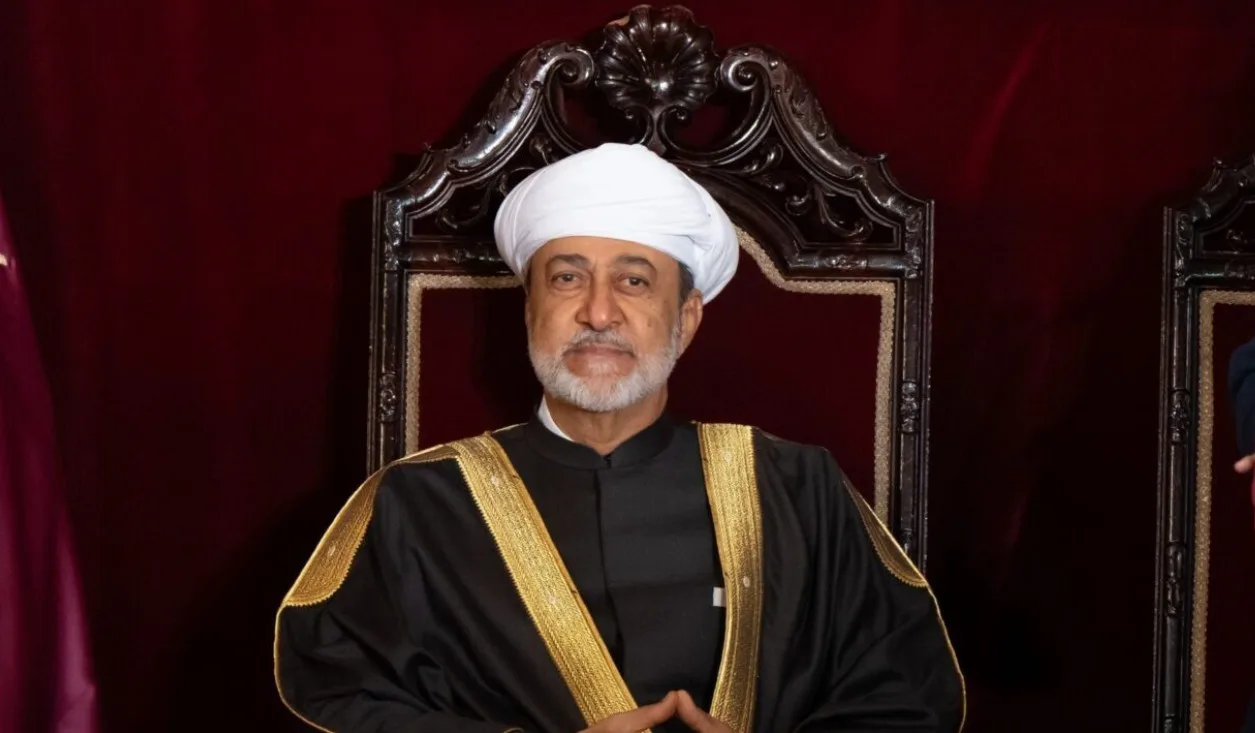
Today's world is one of geopolitical competition, and in this context, Oman, as a small but strategic country, plays a key role in the equations of the Gulf. Recent analyses indicate that the United States has completely overlooked the importance and position of Oman in managing regional crises. Muscat's policy of "active neutrality" is rooted in the history of this country, allowing it to act as a mediator in various crises, including the tensions in the Strait of Hormuz.
Oman's Position in Regional Policies
Oman acts as a bridge between Iran and the United States due to its simultaneous relations with both countries. By employing smart diplomacy, this country has been able to help create effective communication channels and thus reduce tensions in the region. While the United States and Iran are engaged in increasing rivalries, Oman, as an independent player, can play a decisive role in advancing dialogues.
Interestingly, with a rich history of neutral policies, Oman has gradually become one of the main points of contact between regional and global powers. This country not only acts as an impartial observer but can also function as a genuine mediator in resolving disputes. For this reason, understanding Oman's role in the Gulf equations is essential for Washington and other global powers.
Ultimately, Oman, as a key player in the Gulf, demonstrates that neutral policies and active diplomacy can serve as effective tools in reducing tensions and creating stability in the region. Therefore, overlooking this country in political equations is an action that could have serious consequences for regional and global stability.