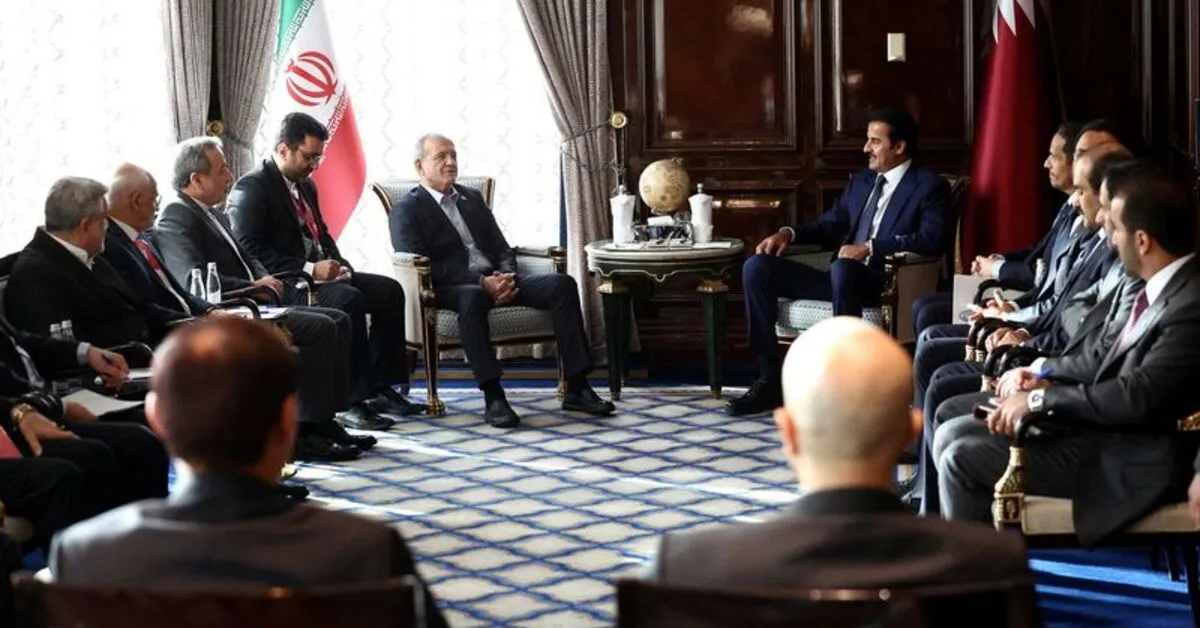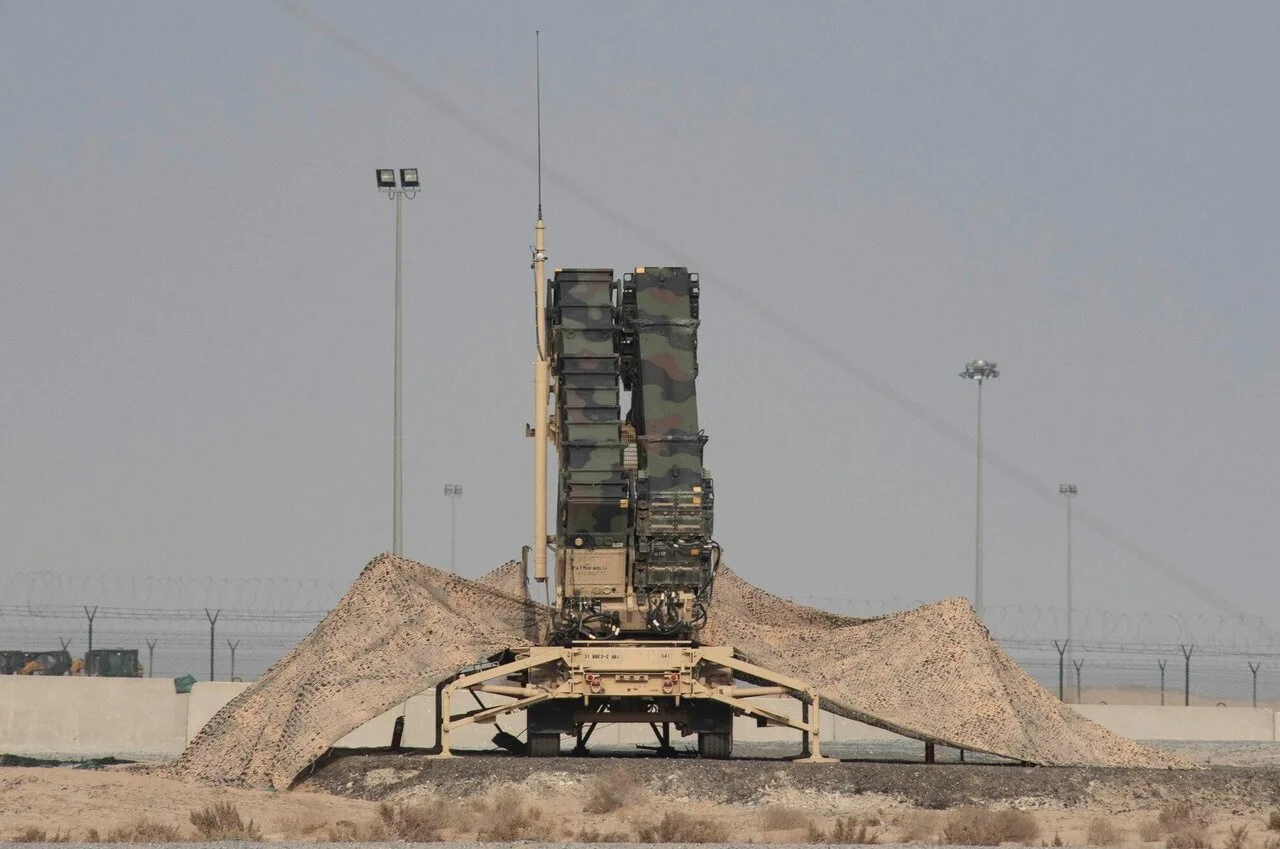
The Persian Gulf is in a critical condition, with its energy infrastructure severely affected by wars and military conflicts. Recent assessments indicate that multiple military actions in recent months have damaged energy facilities in this region.
Widespread Damage to Energy Facilities
Iranian missiles and drones have inflicted serious damage on refineries, liquefied natural gas production units, and export terminals in the Persian Gulf since the onset of the war on February 28. Additionally, Ansar Allah from Yemen has opened a new front in the Red Sea. Rebuilding the damaged infrastructure, especially in the Arab countries bordering the Persian Gulf, will take years, and the costs of these damages will primarily fall on energy importers in Asia, Europe, and developing countries.
Read more: Dubai: Destruction of the Toyota building after four decades of residence in the heart of the city
Economic Impacts and Energy Security
New research shows that since the start of the US and Israel's war against Iran, over 135 missile and drone attacks have targeted 84 infrastructure centers in seven Arab countries in the region. These attacks have not only targeted military facilities but have also affected refineries, oil export terminals, and gas infrastructure in the countries. For example, the damages inflicted on the Ras Laffan gas complex in Qatar will eliminate about $20 billion from this country's annual export revenue.
The CEO of Qatar Energy, Saad Sherida Al-Kaabi, has stated that repairing the damaged facilities may take about three years. These developments indicate that Qatar is seeking to secure its gas exports through new methods and has signed contracts for liquefied natural gas purchases from American companies.
Research reports also emphasize that the cost of the war for the Gulf Cooperation Council countries goes beyond rising oil prices and temporary disruptions in exports. Critical facilities are under serious threat, and this situation could affect these countries' credibility as reliable energy suppliers.
Read more: Kuwait and Bahrain expand cooperation in the transport and communications sector · Acting Prime Minister of Israel, Benjamin Netanyahu faces new challenges