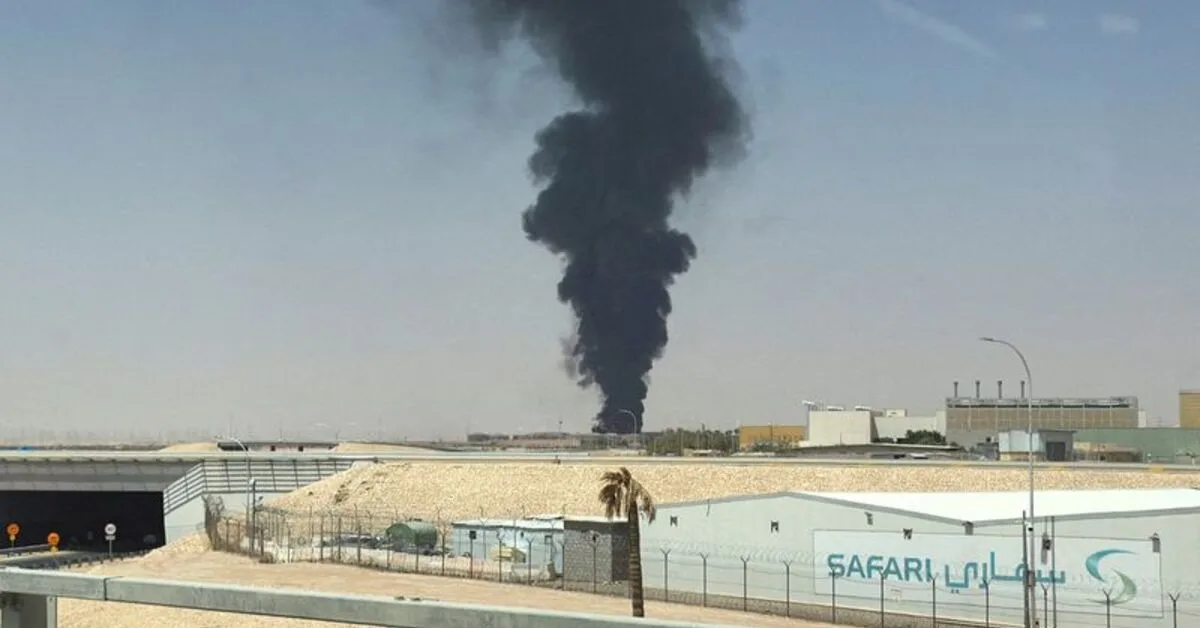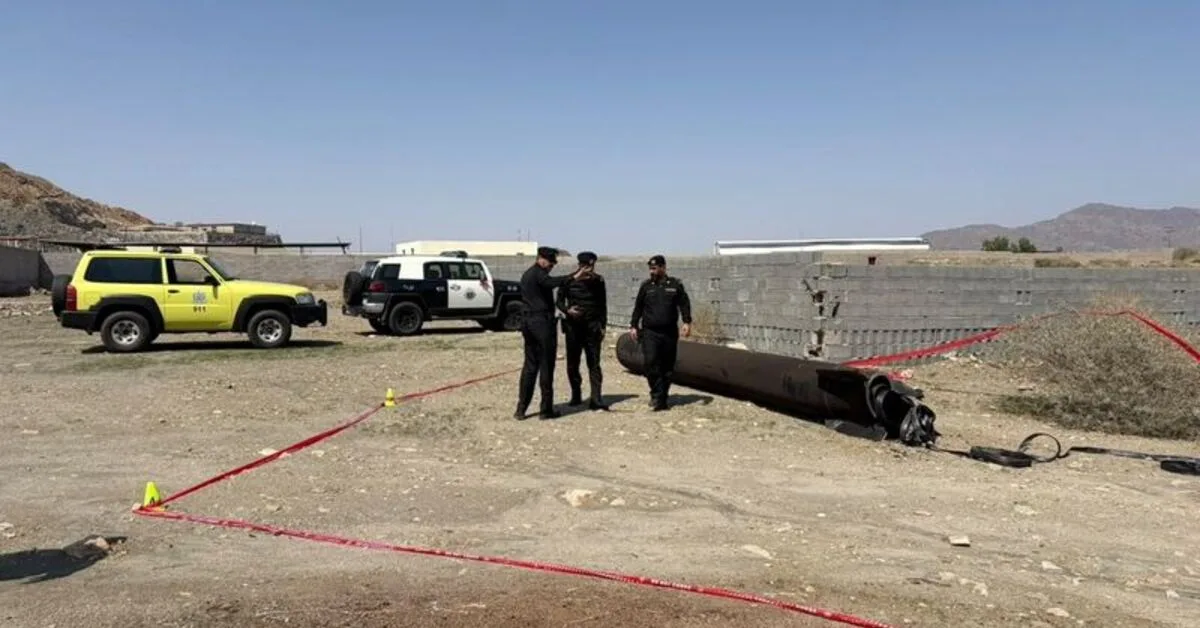
The Strait of Hormuz, recognized as one of the key oil transportation points in the world, is currently affected by political and military developments. Recently analyzed satellite images indicate potential oil leaks in this area. These leaks occurred following recent U.S. airstrikes on tankers associated with the Iranian Revolutionary Guard Corps.
Potential Consequences of Oil Leaks
Oil leaks in this region could have serious environmental consequences. Experts believe that these leaks could harm the marine ecosystem and negatively impact water quality. Additionally, these developments may lead to increased tensions in the region and raise international concerns.
On the other hand, this situation could affect oil prices in the global market. Given that the Strait of Hormuz is a vital route for transporting crude oil from the Persian Gulf to global markets, any disruption in this route could lead to price increases. This issue exacerbates concerns in a market already facing significant volatility.
Reactions to U.S. Attacks
The U.S. airstrikes on oil tankers, conducted as part of a strategy to counter Iran's influence in the region, have elicited various reactions. Some analysts believe that these actions may escalate conflicts and jeopardize regional security. Meanwhile, some countries in the region have supported these attacks, describing them as a necessary measure to maintain stability in the Persian Gulf.
In light of these developments, it remains to be seen whether the oil leaks in the Strait of Hormuz will become a topic for international negotiations or if the existing tensions in the region will continue.