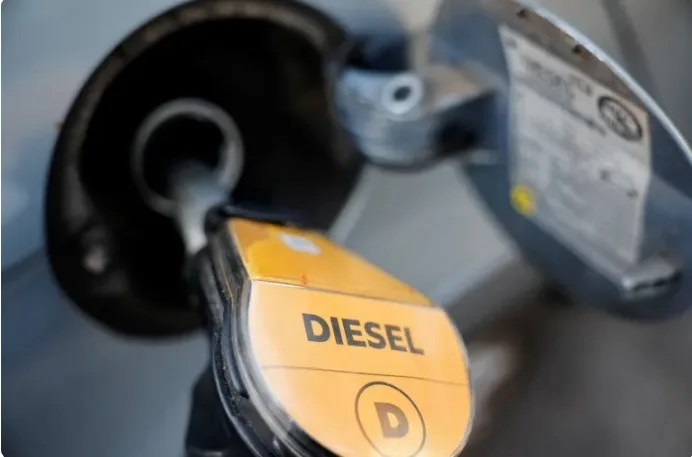
The ban on Russia's diesel exports until the end of October 2026, alongside the examination of fuel export restrictions by the United States, has challenged the petroleum derivatives market. These two actions, especially at a time when the market is already facing issues with refineries and shipping routes, could severely impact supply.
Effects of Export Restrictions
On September 30, Russia announced that it would extend diesel export restrictions from producers until the end of October 2026. Before the crisis, this country was the second-largest diesel exporter in the world after the United States, and according to Standard & Poor's Global data, its exports reached about 805,000 barrels per day in 2025. On the other hand, the United States is considering various options, including voluntary export reductions and minor restrictions to a complete ban, in response to unprecedented domestic diesel price increases.
Read more: Saudi Arabia's stock market has reached its lowest level during the war
Impacts on the Global Market
The U.S. government has had about 1.5 million barrels per day in exports since the beginning of 2026, and its exports reached a record of about 1.6 million barrels per day last August. Following Washington's request to the European Union to release 120 million barrels of diesel from its reserves, pressures on the market have increased. This situation means that the largest diesel exporter intends to keep a larger portion of its production domestically, while the second-largest exporter continues to restrict its supply.
Energy experts warn about the effects of this situation. Harry Stepanyan believes that the main issue is the shortage of refined fuels, not just crude oil shortages. Yahya Hamad also emphasizes that the world is currently suffering from a lack of refining capacity and diesel that can reach consumers. This shortage could lead to increased fuel prices.
Given that the severity of the crisis in Russia is already evident and diesel shipments have dropped to zero, various countries, including Europe, Latin America, and Africa, will be affected. Meanwhile, the profit margin for diesel refining in the United States and Europe has significantly increased, indicating high market pressure.
Analysts estimate that the continuation of sanctions against Russia and U.S. restrictions could keep prices high and unstable. Additionally, various scenarios for the future of the market are predicted, including the possibility of extensive U.S. sanctions and unrest in the Gulf.
Read more: Oman and Tanzania discussed economic cooperation in Muscat · Several men arrested in a major incident at a British airbase used by the U.S.