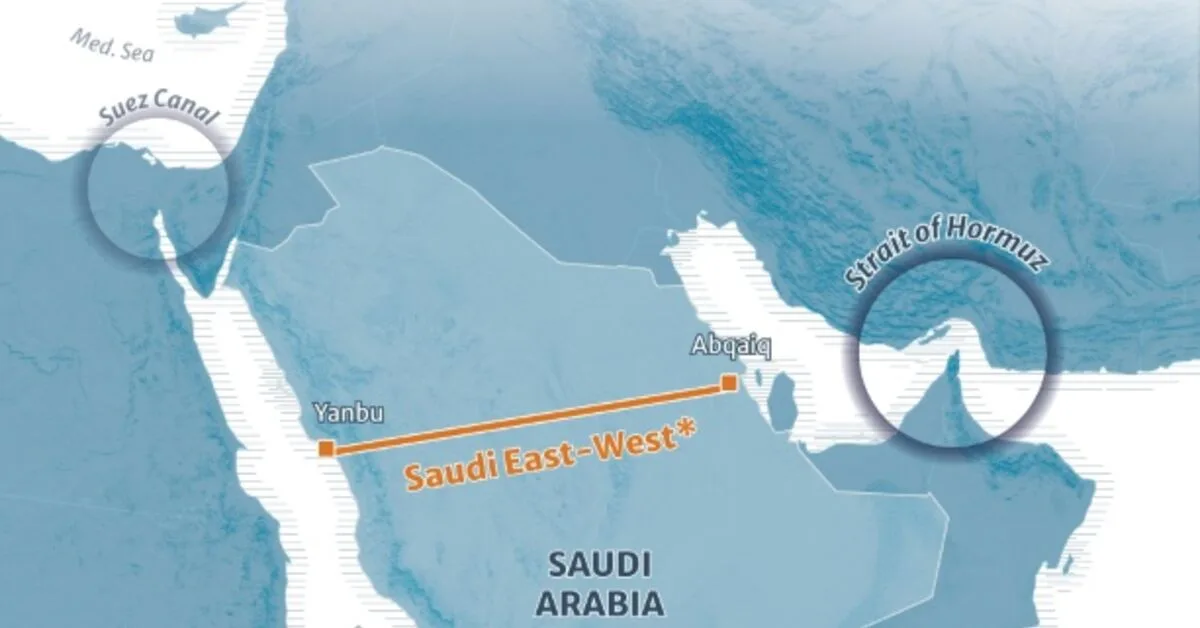
Saudi Arabia is currently facing significant challenges in its oil exports. This country, which is the largest oil exporter in the world, has been forced to shut down its East-West pipeline following recent attacks on its oil facilities. This pipeline, which is approximately 1,200 kilometers long, connects the main oil fields in the east to the port of Yanbu on the Red Sea.
Factors Affecting Oil Export Restrictions
Analysts believe that the blockage of the East-West pipeline due to attacks by armed groups linked to Iran is one of the factors affecting Saudi Arabia's oil export restrictions. This pipeline acts as a vital artery for Riyadh's oil trade in the current geographical and political conditions. Given that Iran had blocked the Strait of Hormuz at the start of the war in the Middle East, this pipeline had become Saudi Arabia's only export route.
Read more: Expansion of Economic Cooperation Between Oman and Angola in Various Sectors
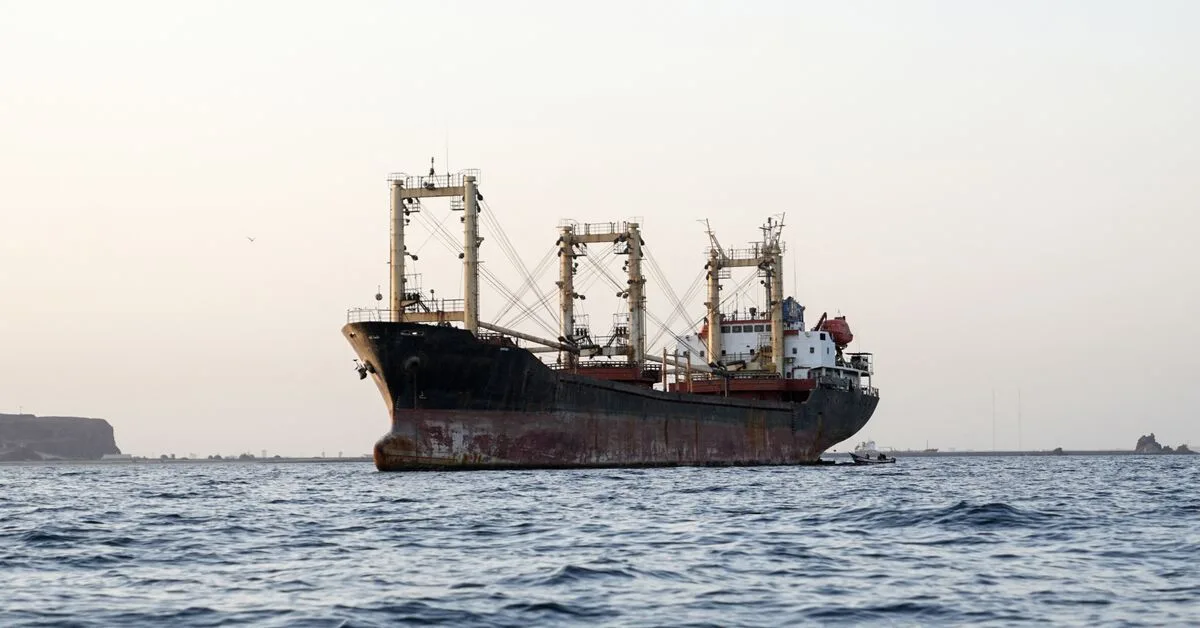
However, now the maritime outlet of this pipeline is also affected by attacks from the Houthis in Yemen, and this group has recently begun to impose a maritime blockade on ships carrying Saudi oil. Therefore, the country's oil exports have been severely impacted.
Saudi Responses and Global Market Implications
Saudi Arabia is still able to export some of its oil through the Yanbu pipeline, but this route also faces challenges due to unfavorable geographical conditions and frequent threats. For example, transporting oil from Yanbu to the Suez Canal or the port of Ain Sokhna in Egypt takes longer, which could lead to increased transportation costs.
The results of this pressure on Saudi oil exports are clearly visible in global markets. Following the announcement of the East-West pipeline shutdown, Brent oil prices rose to nearly $110 per barrel, and the average diesel price in the United States reached a record $6.27 per gallon. This is while the war in Ukraine has also impacted energy prices.
Additionally, Saudi Arabia has announced that the country's oil production fell to its lowest level since 1990 last month. This situation could have serious consequences for the global economy and intensify price pressures in energy markets.
Given the current conditions, the maintenance of the East-West pipeline will also face challenges. Conflicts in the region will lead to delays in importing necessary equipment for repairs. These damages and delays could further reduce Saudi oil exports.
Analysts believe that this vicious cycle resulting from regional conflicts will negatively impact Saudi export statistics, and this issue could be concerning for regional officials. In fact, this situation has turned into an unexpected and challenging era for Saudi Arabia.