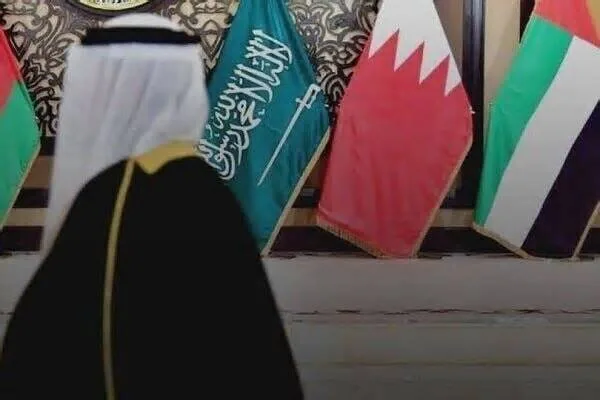
Saudi Arabia has postponed the annual 'Davos Desert' meeting to next year due to concerns over the security situation arising from Houthi attacks from Yemen. This meeting, which was scheduled to take place from October ٢٦ to ٢٩, ٢٠٢٣ (٤th to ٧th of Aban) in Saudi Arabia, has recently been announced on the official website of the 'Future Investment Initiative' (FII), with the new date to be determined soon.
Reasons for Cancellation
The decision to cancel the 'Davos Desert' meeting comes as deadly attacks by Iran-backed Houthis on Saudi Arabia continue. These attacks have particularly increased in recent days, prompting Saudi officials to adopt additional security measures. This situation has raised concerns about holding the conference and the safety of participants.
Read more: Political and diplomatic relations between Oman and Britain: Deep and historical cooperation
Political and Economic Dimensions
The 'Davos Desert' meeting serves as an important platform for discussing economic and political issues in the Middle East, attracting the attention of many global leaders and investors each year. The cancellation of this meeting could have negative impacts on Saudi relations with other countries as well as on attracting foreign investments. While Saudi Arabia is striving to present a modern and advanced image of itself, this decision may affect the country's credibility on the international stage.
However, Saudi officials have emphasized in a statement that holding this conference next year remains on the agenda, and the new date will be announced soon. This action reflects Saudi Arabia's efforts to maintain security and stability in the region and provide a suitable environment for international discussions.
Future Implications
Given the current conditions, Saudi Arabia must seek solutions to strengthen its internal and cross-border security. The country also needs to continue its developmental projects and focus on attracting foreign investments. The cancellation of the 'Davos Desert' meeting could be an opportunity to reassess Saudi Arabia's security and economic strategies to prevent such issues in the future.
Ultimately, it is expected that Saudi officials will make precise plans for holding this meeting next year in light of recent developments and seek to strengthen international relations and attract new investments.