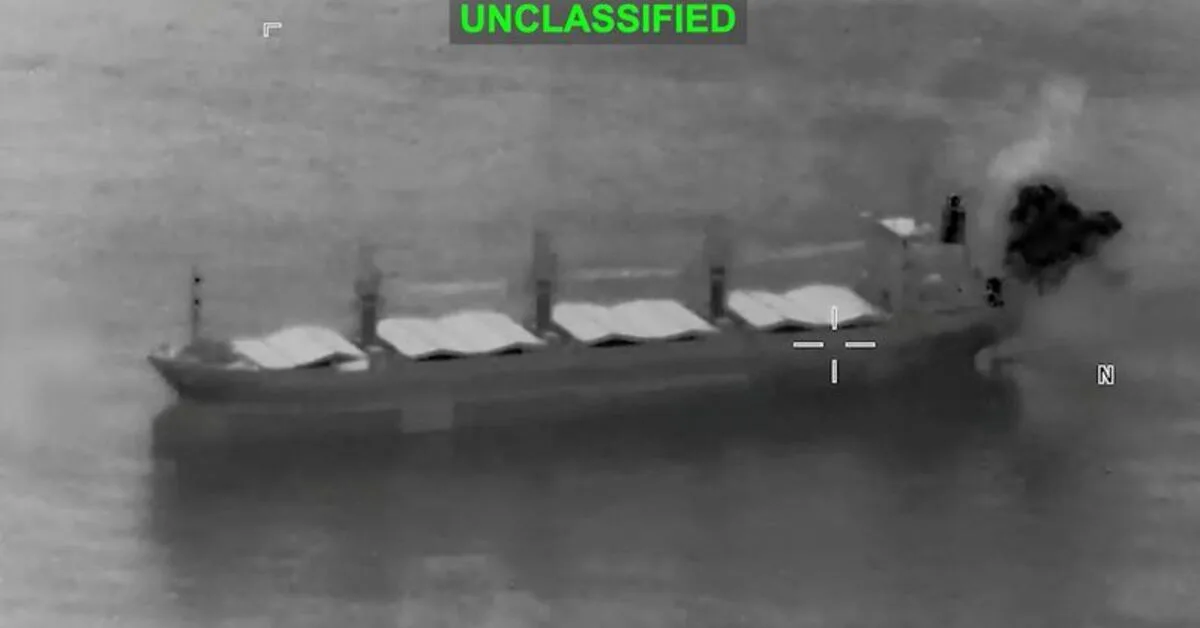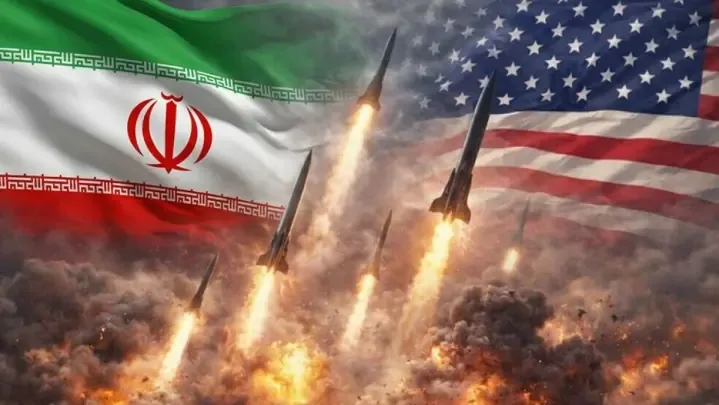
The war that has occurred in the Persian Gulf, due to its aggressive nature and unpredictability for many regional actors, can be seen as a turning point in regional developments. This war has not only led to a change in the balance of power in the region but has also redefined the concept of order in the Persian Gulf.
The Impact of War on Regional Order
The cycle that began with the onset of the war in the Persian Gulf has continued with Iran's resistance and has reached the issue of the Strait of Hormuz. This situation is particularly significant, as the order that was supposed to be imposed based on foreign powers has encountered a kind of disruption. This has led to contradictions in the concept of order, as an order formed under disruptive conditions will face challenges regarding its nature and the possibility of its continuity.
Read more: Red maritime warning declared in Hormozgan and stormy conditions in the Persian Gulf
In this context, Iran, as a key player, has played its role in disrupting the existing arrangements. This indicates that the war has been imposed on Iran, and the country has sought to create deterrence by disrupting the imposed orders. Therefore, caution must be exercised when referring to the term "order" in the established situation, as an order cannot continue its existence through repeated disruptions.
Security Challenges and New Realities
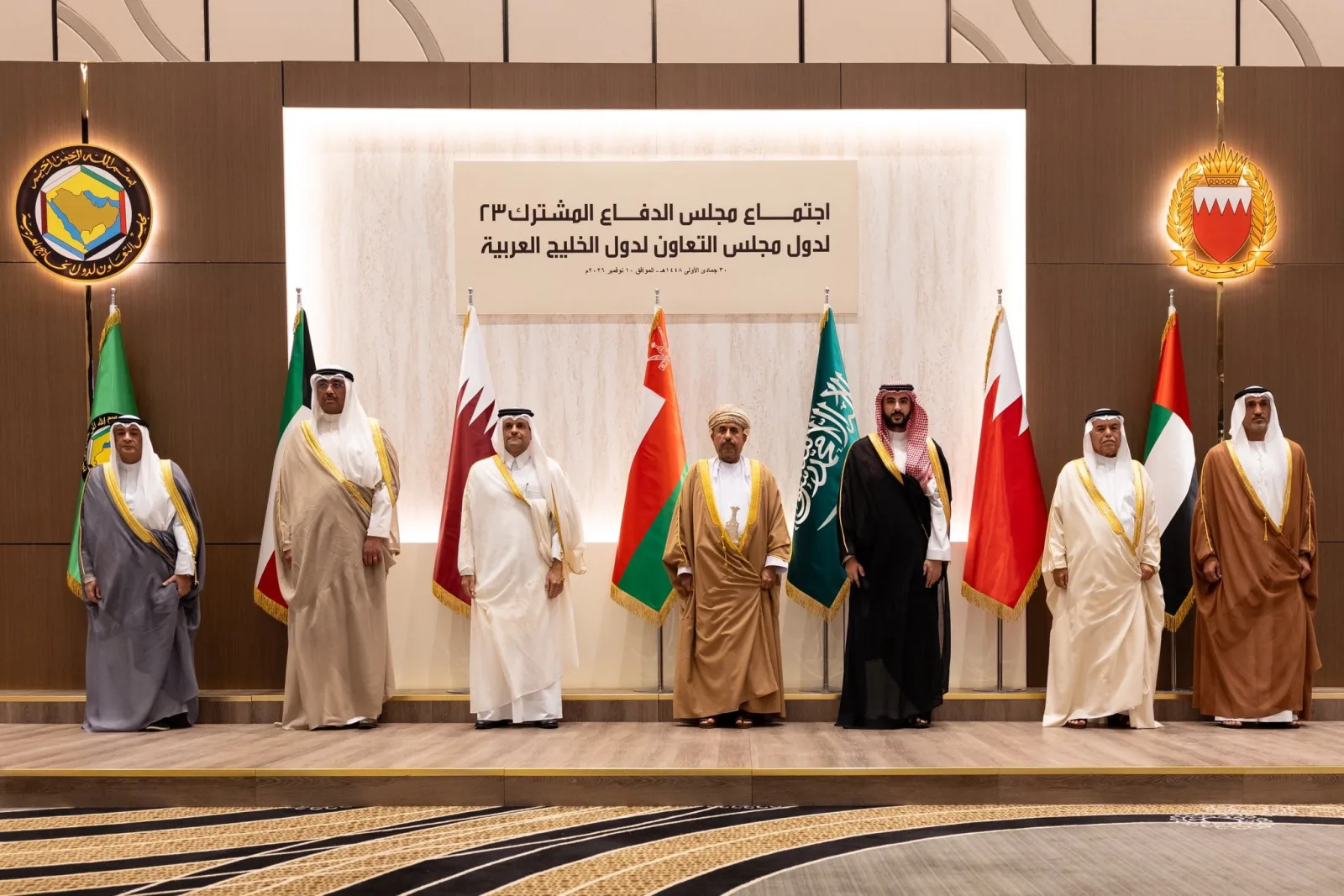
Recent events in the Persian Gulf have led to changes in previous assumptions about regional order. For example, the notion that security could be provided through imports is now seriously challenged. The Arab countries bordering the Persian Gulf, which previously relied on foreign powers to guarantee their security, are now facing new realities that require a reevaluation of their security policies.
Moreover, the previous assumption that the United States could easily act in alliance with Israel and other regional partners against countries like Iran is now facing serious obstacles. These developments indicate that the future order in the Persian Gulf must be shaped based on new realities and must seriously consider recent developments.
As a result, it can be said that the end of the era of spectators in the security of the Persian Gulf signifies the beginning of a new period of security and military transformations that must be carefully examined. This new era could lead to the formation of new arrangements that align with current realities.
Read more: Sultan of Oman received a written message from the President of the UAE · Kuwait hosts advanced military command of the Gulf countries