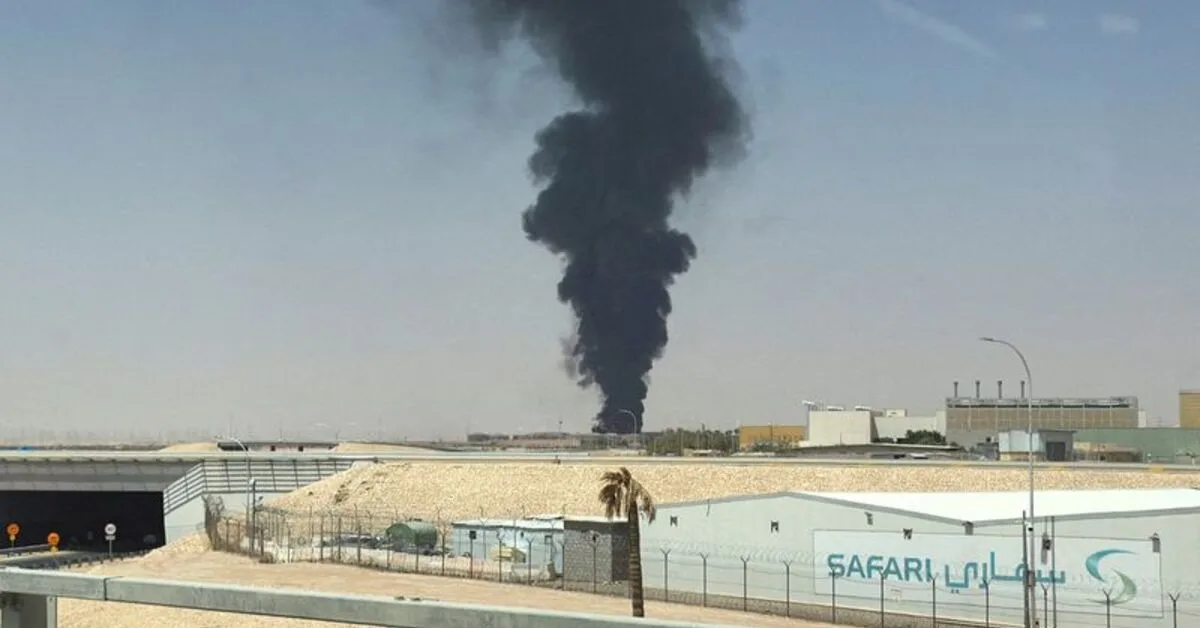
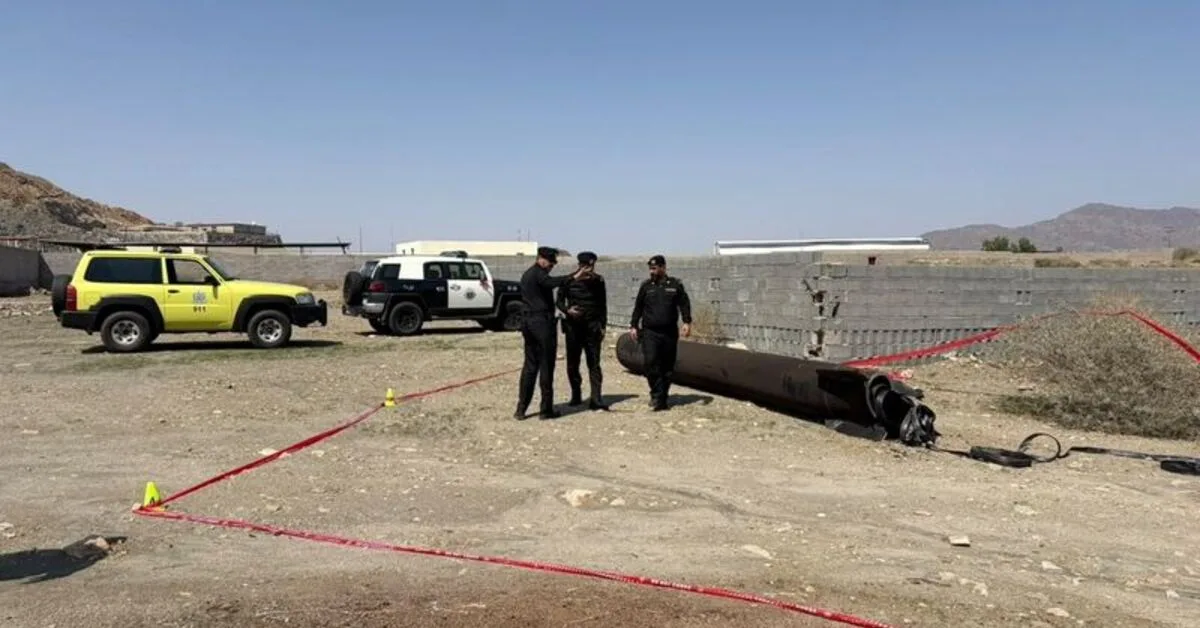
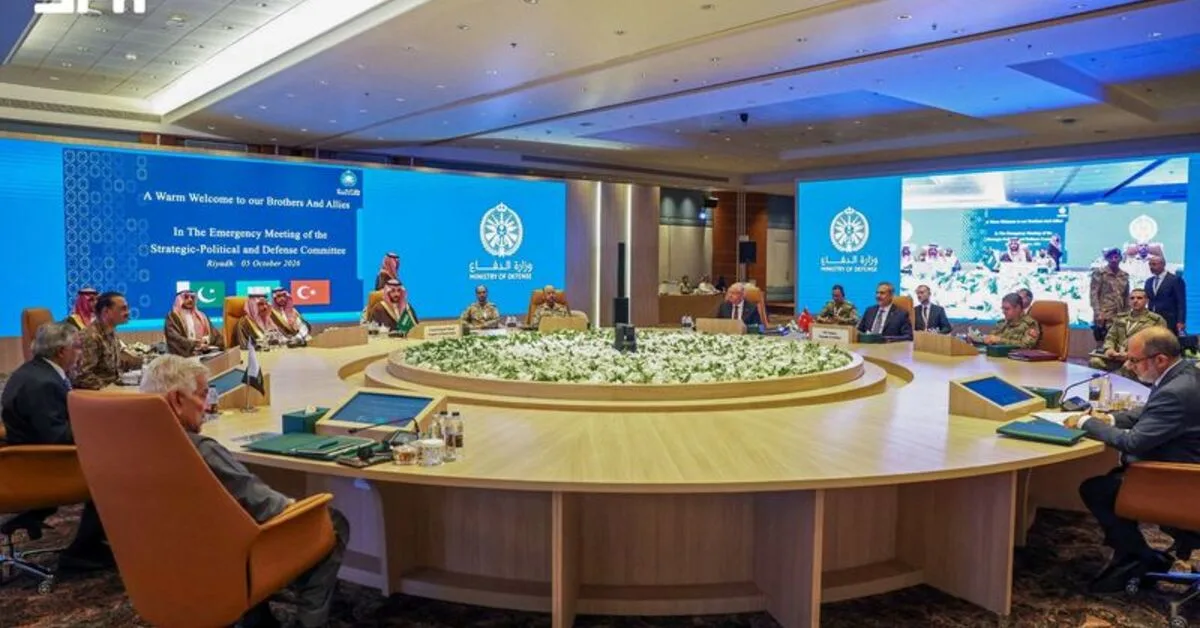
As tensions in the Persian Gulf continue, six member countries of the Gulf Cooperation Council are seeking to hold a meeting with Iranian officials next week. This meeting is set to address the critical issue of the Strait of Hormuz, which is vital for the entire region economically and security-wise.
Challenges and Opportunities
The Strait of Hormuz is recognized as one of the most important maritime oil transport routes in the world, and any change in its security status could have widespread impacts on the oil market and global energy security. Given that a high percentage of the world's crude oil passes through this strait, the Gulf countries and Iran are well aware that any tensions and conflicts may lead to new crises.
This meeting is seen as a diplomatic effort to reduce tensions and find solutions for joint cooperation. Although the discussions are expected to face challenges, there is hope for improving relations between the Gulf countries and Iran.
An Uncertain Future
There are many questions about whether this meeting can lead to positive outcomes. Although the parties are seeking to reduce tensions, the historical relations between these countries indicate that achieving a lasting agreement will not be easy.
This meeting may be an opportunity for the Gulf countries and Iran to reach an agreement on issues that affect not only regional security but also global economic stability. But will these discussions lead to tangible results, or will they simply turn into another debate?