South Korea is examining various options for deployment to the Strait of Hormuz. Wi Sung-lac, the National Security Advisor of South Korea, reported to the parliamentary oversight committee on Thursday that Seoul is seriously considering its options in this regard.
Negotiations with Washington
In this context, Seoul is continuing negotiations with Washington regarding possible options for deployment to the Strait of Hormuz. These negotiations reflect the strategic importance of the Strait of Hormuz as a vital route for the transportation of oil and commercial goods. Wi Sung-lac emphasized that any deployment would include the dispatch of a maritime patrol aircraft.
Read more: Oman's Foreign Minister will speak today about Gulf security
No deployment of combat forces
While various options are being considered, the National Security Advisor of South Korea stated that the deployment of combat forces to the Strait of Hormuz is completely ruled out, in line with the previous announcement by President Lee Jae Myung. This action clearly demonstrates Seoul's cautious approach to military and security issues in this sensitive region.
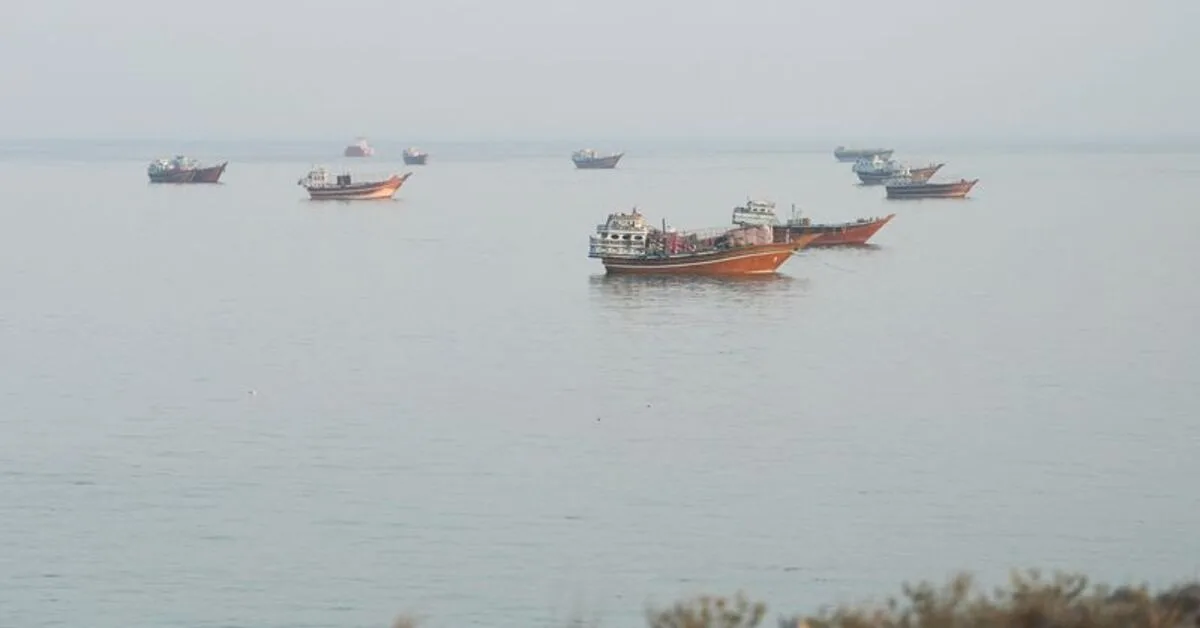
The Strait of Hormuz, as one of the key geographical points in the Sea of Oman and near the Persian Gulf, has always attracted the attention of various countries. This strait is of high importance due to the passage of about 20 percent of the world's total oil through it. South Korea, as one of the largest oil importers in the world, naturally pays attention to the security of this route.
Prospects for international cooperation
South Korea is also seeking to strengthen international cooperation in maritime security. Given recent developments in the region, Seoul emphasizes that cooperation with international partners can help enhance security and stability in the Strait of Hormuz. For this reason, Seoul is examining various options for cooperation with the United States and other countries in this regard.
These developments reflect South Korea's high attention and sensitivity to energy security and international cooperation in maritime security. While negotiations with Washington continue, other countries must also closely monitor the situation to prevent any tensions or changes in the security situation in this sensitive region.
Read more: Efforts by Saudi, Turkey, and Pakistan to stop the war in Iran · Changing the role of the United States in Middle Eastern security with Tom Barrack's statements