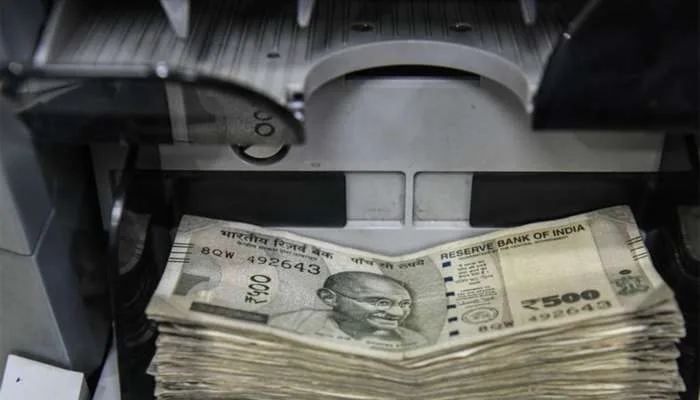
The Indian rupee may strengthen against the US dollar in the coming months, following a reduction in global economic and geopolitical pressures, falling crude oil prices, and improved foreign investment inflows.
Forecast for Rupee Strengthening
Santosh Mehrotra, a former UN advisor and economist, stated that if the trend of decreasing global economic and geopolitical pressures continues, India's domestic currency could continue to strengthen. He added: "Overall, one can expect the Indian rupee to gain further strength in the coming months," emphasizing that this forecast depends on the continuation of the trend of reducing global pressures.
Read more: Development of Luxury Services in US Airlines
Factors Influencing Rupee Strengthening
Mehrotra pointed to several factors that have contributed to the recent strengthening of the rupee. The Democrats' victory in both houses of the US Congress has reduced the political and financial risks of the dollar, leading to its weakening. This outcome could prevent Donald Trump, the President of the United States, from easily advancing his financial and spending plans, potentially leading to constraints on fiscal expansion.
Additionally, the likelihood of reduced tensions in the Middle East could lower geopolitical risks and help reduce the risk premium in international crude oil prices. International oil prices, which were around $105 per barrel before the US election results, have decreased to about $96 per barrel.
Considering that India imports about 90% of its crude oil needs, the decline in international oil prices could reduce the country's import costs and support the domestic currency. Mehrotra also mentioned the return of foreign investors to the Indian stock market as another supporting factor for the rupee. He noted that foreign investors purchased about $1 billion in Indian stocks from the beginning of November to November 5, which has contributed to the inflow of dollars into the country.
Future Outlook
Devendra Pant, chief economist at India Ratings and Research, stated that falling crude oil prices, narrowing the gap between petroleum and food prices, and the potential reduction in transportation rates could help support the rupee. He mentioned that transportation rates may decrease if the announcement of no further military activity by the United States in the Strait of Hormuz and surrounding areas leads to reduced regional tensions.
Pant also referred to measures taken by the Indian government and the Reserve Bank of India (RBI) to improve access to dollars. These measures include directly providing dollars to oil companies, which reduces their need to purchase dollars from the market. He also noted that lower crude oil prices could alleviate pressure on government fertilizer subsidy costs, which is one of the main expenses that could affect financial calculations.
Pant further stated that these developments could lead to a current account deficit that is less than expected, and capital inflows, particularly foreign portfolio investments, may improve. In response to a question about the potential extent of rupee strengthening, he said that predicting a specific number is difficult, although the overall outlook remains positive. He emphasized: "I cannot specify a number. The outlook can be described as cautiously optimistic, and the rupee is likely to strengthen further."
Read more: Vulnerability of Development Models in Gulf Countries Following War · Kuwait and the United States Explore Investment Opportunities in Housing Projects