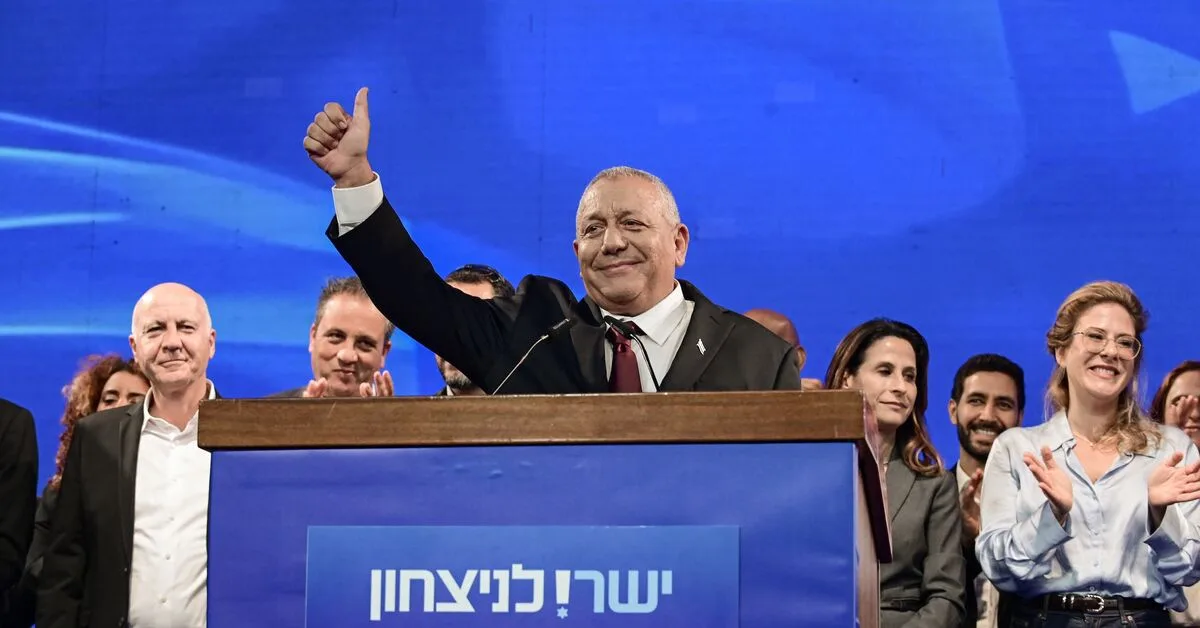
Avigdor Lieberman, the former Prime Minister of Israel, is in a better position than Benjamin Netanyahu due to the support of Arab parties in the process of forming a new government. This support has occurred despite the opposition from some Jewish parties that, due to deep disagreements over issues such as the formation of a Palestinian state, Hamas, and the Gaza war, are reluctant to cooperate with Arab parties.
Official Election Results and Consultations
The Central Election Committee completed the official counting of votes on Wednesday and presented the results to Isaac Herzog, the President of Israel. Herzog is now meeting with representatives of various parties to hear their recommendations for selecting a person to form the next government. According to Israeli law, the President must choose a candidate who he believes has the best chance of forming a stable majority, and this does not necessarily mean selecting the leader of the largest party.
Predictions and Party Meetings
Herzog is expected to complete his consultations with representatives of various parties by Thursday night. Meanwhile, the Yashar and Likud parties, led by Prime Minister Benjamin Netanyahu, will be the last two parties to visit the President's residence. The results indicate that Likud has secured 27 seats and Yashar has obtained 21 seats in the Knesset.
These developments indicate fundamental changes in Israeli policies and interactions among different parties. The support of Arab parties may signify a shift in political and social approaches in Israel and could have wide-ranging implications for the political future of the country.