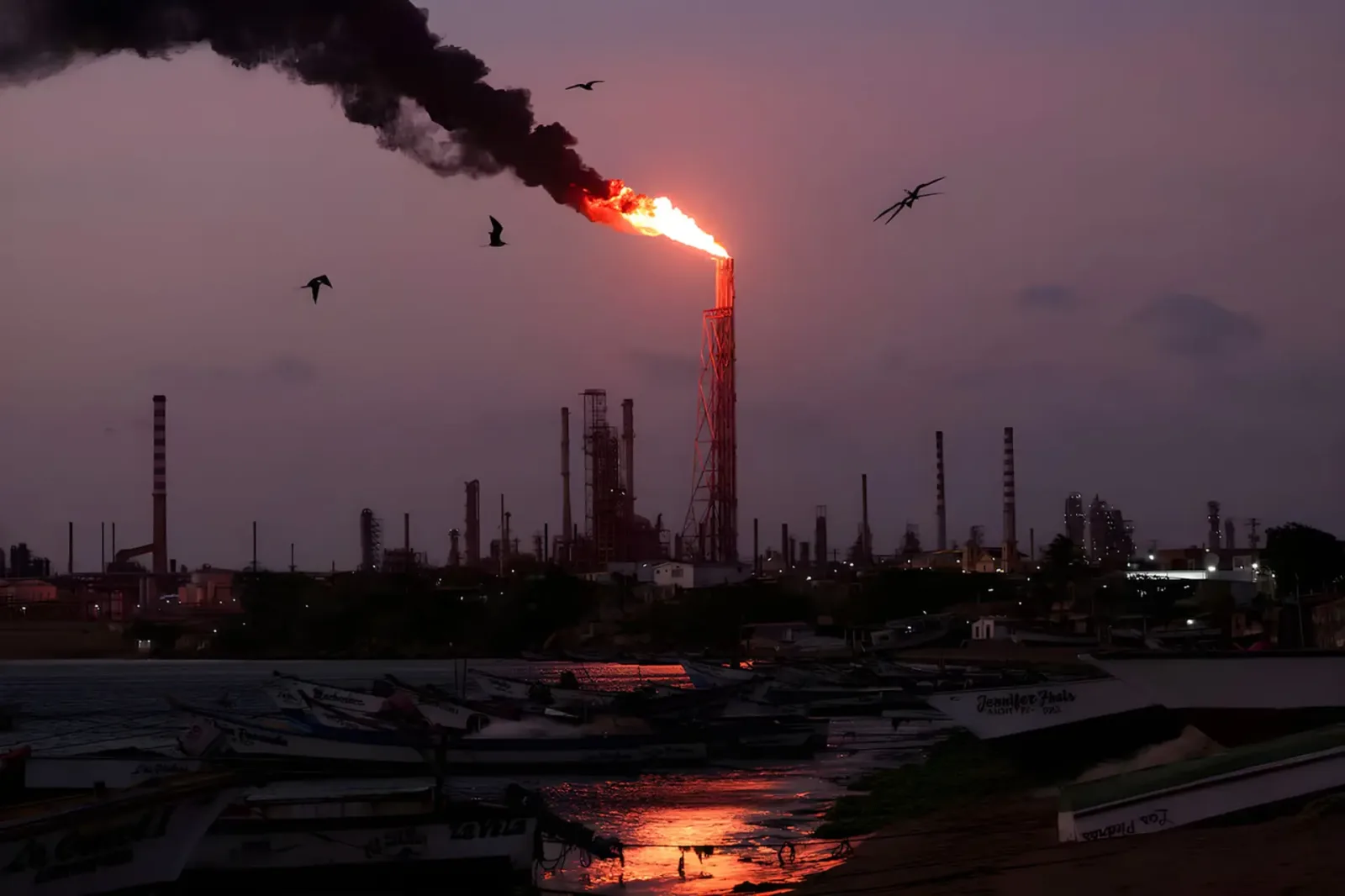
Gulf refineries have faced serious challenges due to recent conflicts in the region, and this situation has turned in favor of Asian refineries, particularly in India and China. Studies show that Asian refineries benefit from the sustainable return of Middle Eastern crude oil exports.
Decrease in Exports and Increase in Demand
According to available data, the total exports of crude oil and gas condensates from the Middle East — excluding Iran — averaged 18.11 million tons per week in September. This figure was about 18.22 million tons per week in the eight weeks prior to the onset of the conflicts. Nevertheless, Middle Eastern fuel exports remain less than half of the pre-war level due to damage inflicted on the region's refineries.
Read more: Meeting of the Board of Directors of the Oman International Financial Center chaired by Syed Ziyazin
This supply gap favors countries that can fill this shortfall. Nearly 37% of the world's refining capacity is held by Asia, and refineries in India, China, South Korea, and Singapore are well-positioned to take advantage of this situation.
Impact on the Global Oil Market
The return of Middle Eastern oil supply means that as long as the damaged Gulf state refineries remain impaired, a larger share of profits and pricing power will shift to Asian refining centers. Saudi Arabia, Kuwait, and the United Arab Emirates have sought to expand their downstream industries in recent years to gain more value from each barrel of oil. However, the conflicts have disrupted these plans.
Since the start of the war, about 20 refineries in the Middle East have been targeted in attacks, and over 2.3 million barrels per day of the region's refining capacity has been taken offline. This situation means that crude oil production and exports are likely to recover much sooner than refining capacity, forcing Middle Eastern oil producers to rely on refineries in other countries for processing their oil.
Currently, Asian refineries will take a larger share of global fuel production by increasing their utilization rates and exports. India is particularly well-positioned to capitalize on this situation, with its refining capacity having reached about 5.1 million barrels per day since 2010. China, with a refining capacity of about 18.8 million barrels per day, can also take advantage of these conditions.
Ultimately, these developments could lead to a shift in the center of influence in the global oil market. With the sustainable return of Middle Eastern crude oil, this balance may change, and Asian countries, particularly India and China, may play a more key role in global energy supply.
Read more: Kristalina Georgieva warned about global economic challenges · Oman oil price reached $111 per barrel