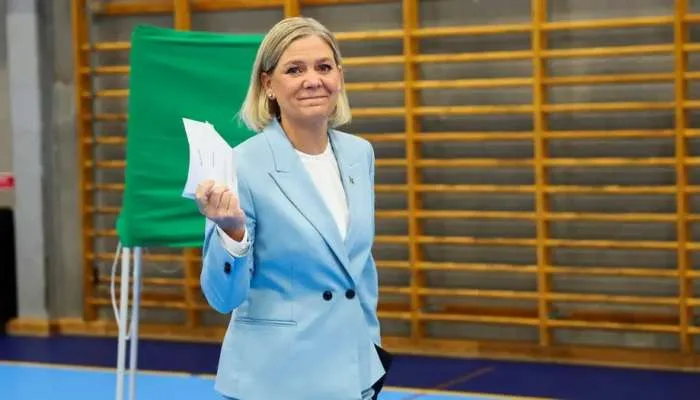
Sweden is on the brink of a highly sensitive general election that could signify profound changes in the politics of this country. In this cycle, the far-right has a chance to enter the government for the first time, raising significant concerns among various political groups.
Competition Between Right-Wingers and Center-Left
The elections on Sunday have turned into a kind of battle between the center-left parties and the far-right. The center-left parties, led by the Social Democrats, who were ousted from power four years ago, hope to regain their seats by garnering public support. On the other hand, the right-wing party “Sweden Democrats,” with their aggressive slogans and focus on issues such as immigration and security, is seeking to attract more votes.
This election is taking place while Sweden is severely affected by economic and social crises. Rising unemployment and public dissatisfaction with the economic situation have created a backdrop for political changes. Polls indicate that the competition is very close, and predicting the final outcome seems difficult.
Challenges and Political Future of Sweden
If the right-wingers succeed, Sweden may face serious changes in its social and economic policies. The entry of these parties into power could have profound effects on Sweden's relations with other countries and also on domestic policies. On the other hand, the return of the center-left to power could contribute to greater stability and calm in society.
The elections in Sweden are significant not only for the people of this country but also for all of Europe. This event is seen as a sign of political changes at the continental level and could influence the political trends of other countries. All eyes are on Sweden to witness the outcome of this historic election.