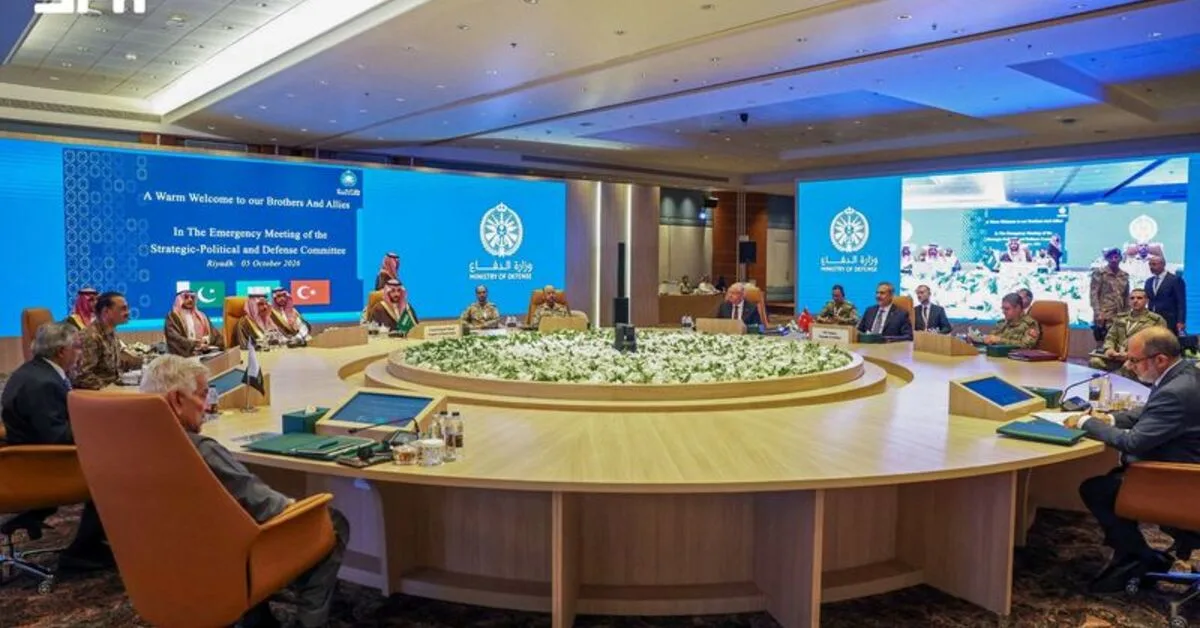
In a significant diplomatic move, the foreign ministers of the Gulf countries will soon meet with their Iranian counterpart. This meeting, initiated by Oman, aims to achieve a temporary agreement for managing shipping in the Strait of Hormuz. This strategic strait is the main route for oil tankers and commercial ships, and any disruption in it could have widespread consequences for the global energy market.
Why is this meeting important?
The Strait of Hormuz, as one of the most critical maritime passage points in the world, has always attracted the attention of regional countries and beyond. According to reports, the foreign ministers of the Gulf countries are hopeful for a temporary agreement aimed at strengthening cooperation and reducing tensions in this sensitive region. Oman, as a mediator in these negotiations, is working to bring the two sides closer to a sustainable agreement.
This meeting takes place amid rising tensions in the region due to political and military issues. Any agreement for managing shipping could help reduce tensions and enhance maritime security. In fact, this action is not only beneficial for the Gulf countries but could also have positive implications for the global oil market.
Future Outlook
While the details of this agreement are still unclear, this meeting is seen as an initial step towards further cooperation between Iran and the Gulf countries. Experts believe that if these negotiations yield results, they could serve as a model for resolving more complex issues in the future.
Given the importance of this matter and the urgent need for regional cooperation, this meeting is expected to become a milestone in the history of relations between Iran and its neighbors. Ultimately, this agreement could be seen as a symbol of the regional countries' willingness for cooperation and stability in the Gulf.