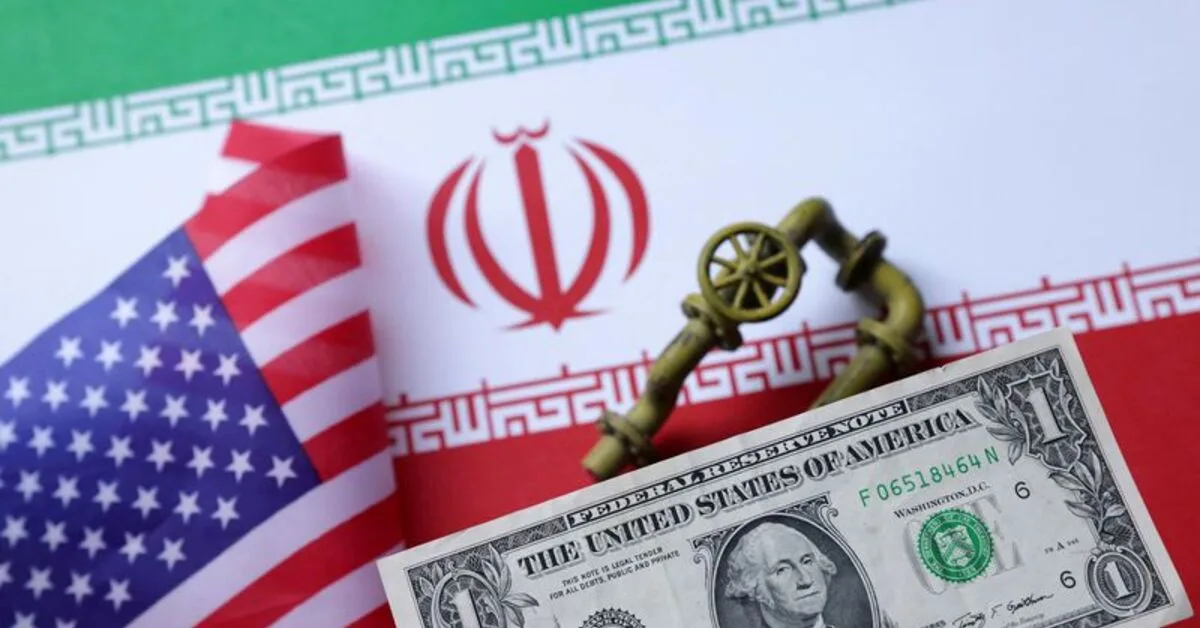
The cost of the six-month war by the United States against Iran has reached $38 billion and is expected to increase by $3 billion each month. This report has been published by non-partisan congressional offices and highlights the economic pressures resulting from this war on the federal budget and energy prices in the United States.
Economic Consequences of the War
Reports indicate that the war costs will lead to a 0.5 percent increase in the inflation rate in the first three months of 2027. These costs have put pressure on U.S. ammunition reserves and raised concerns about the country's ability to respond to other potential conflicts. While U.S. Secretary of Defense Pete Hegseth mentioned costs of $37.5 billion in a Senate meeting, the congressional office report indicates that these costs are largely due to the rapid depletion of ammunition reserves.
Read more: 10 Iranian fishermen returned; the adventurous trip to Dubai has ended!
Ammunition Shortages
Reports suggest that it may take five years to rebuild U.S. ammunition reserves. Recently, the congressional office announced that the United States has utilized nearly all of its precision-guided missiles during the war. While Pentagon spokesperson Sean Parnell dismissed estimates of ammunition shortages, stating that the U.S. has "all the necessary resources to strike at the time and place desired by the President," this issue continues to fuel concerns about the military status of the United States.
In this war, 18 American soldiers have lost their lives, and the war costs do not include damages from attacks on U.S. diplomatic facilities. Additionally, this report does not account for recent attacks on commercial ships and military facilities in the region, which could lead to an increase in total costs.
The war with Iran could have profound implications for the U.S. defense posture and the domestic economy. Shortages in critical munitions, including interceptor missiles, could affect the Pentagon's ability to respond to other major conflicts, such as potential tensions with China and Taiwan.
Read more: Commotion on the water: the new submarine that Iran claims to have captured · Iran and the necessity of presence in the security equations of the Persian Gulf