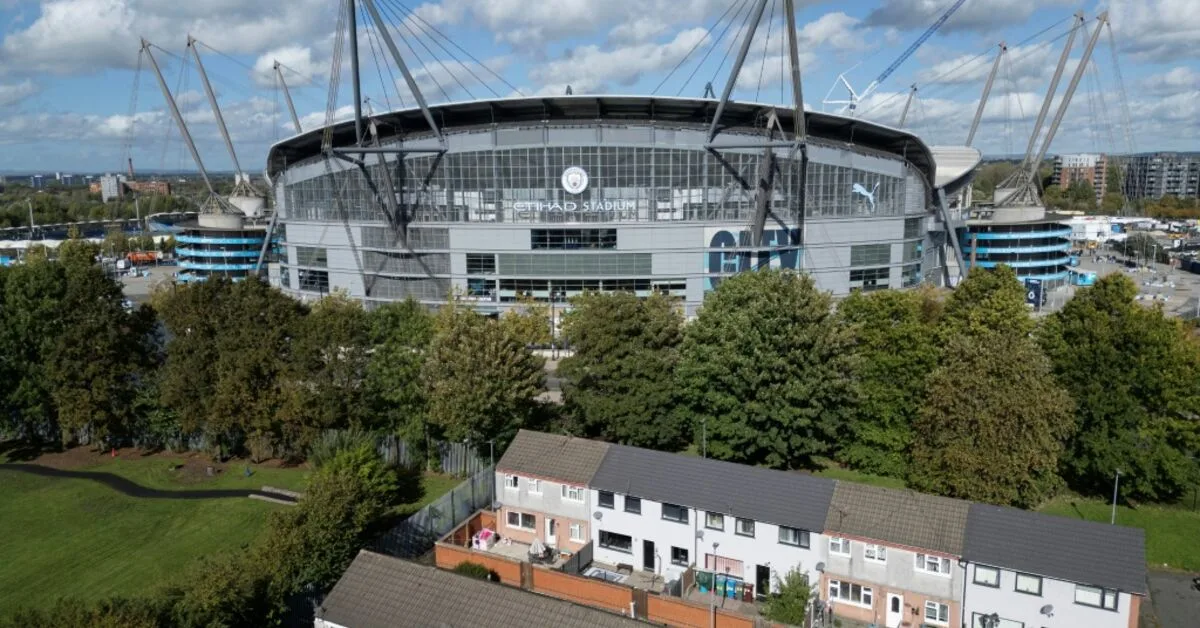
Manchester City, as a football club, is not just a sports entity but has become one of the key factors in the economic and social transformation in East Manchester. Salish Parekh, the owner of a fish and chip shop near the Etihad Stadium, noted the remarkable changes in the area over the past two decades, stating that Manchester City has somewhat been a savior for this region.
History of Economic Developments
Before the arrival of Manchester City and its major investments in 2008 by Emirati investors, East Manchester faced numerous economic and social challenges. The high unemployment and poverty rates in this area were clearly noticeable. However, since then, the overlooked areas between the stadium and the city center have become a symbol of the revival of this northern city.
Read more: Travel issues of Gol Gohar Sirjan to Bahrain in the AFC Champions League
According to experts, the revitalization process of these areas has led neighborhoods like Ancoats and New Islington, which once witnessed decline and population loss, to now become thriving residential and commercial areas.
Manchester City's Impact on the Economy
The ownership of Manchester City by the Emirati investment group, led by Sheikh Mansour bin Zayed Al Nahyan, has not only transformed this club into one of the strongest football teams in Europe but has also made significant investments in housing and commercial space development. Reports indicate that this group has contributed to the creation of 1,500 residential units and 2,800 square meters of commercial space in these areas.
However, with the announcement from the independent Premier League commission that Manchester City has been accused of violating over 100 financial regulations, concerns have been raised about the future of this club and its implications for the city's economic development. The club has been accused of unrealistically inflating its revenues and reducing reported expenses by over £900 million ($1.2 billion) between 2009 and 2018.
Future Outlook
Given the importance of Manchester City and its rival, Manchester United, in attracting tourists and foreign investments, football has become one of the city's prominent assets. According to Subrahmanyam Krishnan-Harihara, the head of research at the Greater Manchester Chamber of Commerce, football is somewhat a symbol of the identity of the city of Manchester. He added that Premier League-related activities bring about £1.6 billion ($2.1 billion) in annual revenue for Greater Manchester.
In fact, the economic and social transformations brought about by Manchester City have contributed to the infrastructure development process, including the expansion of the tram network. Additionally, over £700 million has been invested in various projects around the Etihad Stadium and related areas since 2008.
However, some are concerned that economic developments may lead to the destruction of the cultural identity of neighborhoods. Salish Parekh, the shop owner, believes that Manchester is now much more than just two football clubs and has become a tourist and economic destination that can continue to grow and develop in the future.
Read more: Gol Gohar Iran team and Al-Muharraq Bahrain face each other in Oman · Oman's oil exports grew by 1.9% by the end of August 2023