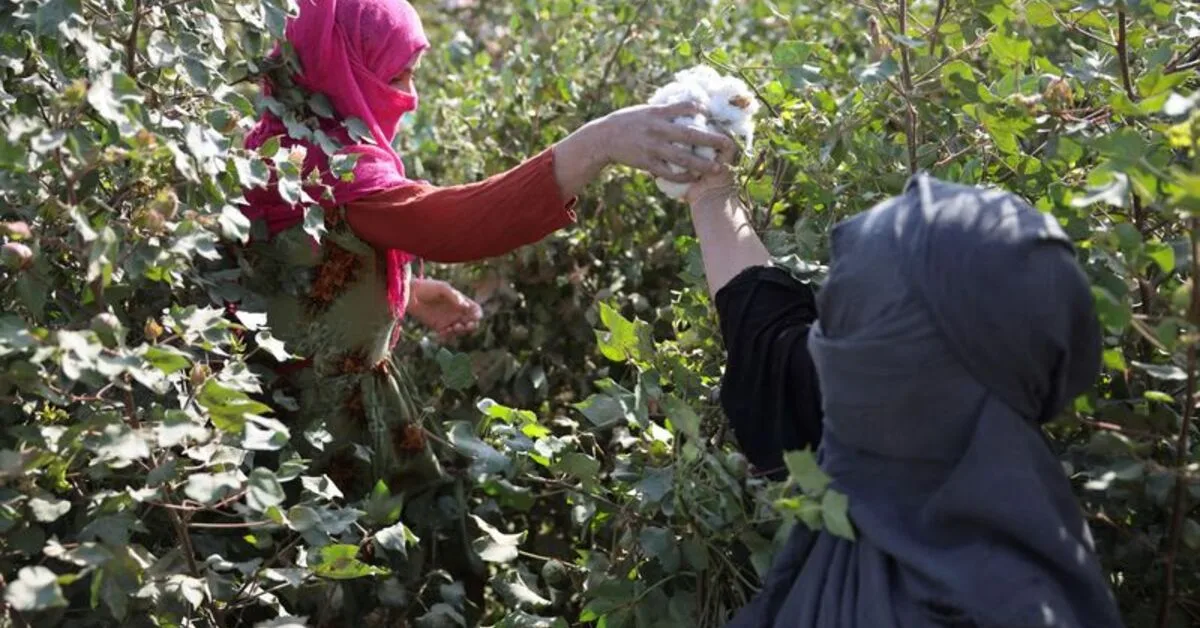
Afghanistan, October 29 - Mohammad Dawood, a 28-year-old farmer from Baba Yousuf village in Balkh province, expresses dissatisfaction with his current situation, recalling the days when poppy cultivation could sustain his family. He has now turned to growing cotton and wheat, crops that barely meet his family's daily needs.
Increased Economic Pressure on Farmers
In recent years, Afghanistan has been recognized as one of the largest producers of opium in the world. However, four years ago, the Taliban imposed a strict ban on poppy cultivation in an effort to halt drug production. Nevertheless, reports indicate that this decree is now weakening, and many farmers, unable to meet their families' food needs, are returning to poppy cultivation.
Read more: Jordan and Syria Form a Joint Security Committee
According to a report by the United Nations Office on Drugs and Crime, poppy cultivation in Afghanistan has significantly increased this year, which could impact the global drug market. Many farmers, like Dawood, still adhere to the Taliban's ban, but in critical conditions, their income has decreased to the point where they are forced to return to poppy cultivation.
Impacts on Child Nutrition and Living Conditions
Relief groups warn that the economic pressure on farmers has severely affected child nutrition. This month, international organizations announced that 10 out of 34 provinces in Afghanistan are on the brink of a child nutrition crisis, and this number could rise to 14 provinces by 2027.
Despite improved crop yields, high prices and low agricultural product costs have put pressure on the lives of poor farmers. This situation is exacerbated by the reduction of foreign aid and the international isolation of the Taliban due to their repression of women's rights. At the Alim Khail health center in Balkh, doctors and patients cited the decline in agricultural income as a factor contributing to the increase in malnutrition cases.
Analysts believe that the return to poppy cultivation will not only impact the local economy but also the global drug markets. They are concerned that with active smuggling networks and resilient operations to transport drugs abroad, the forecasts for the future are very alarming.
Read more: Israel Elections: Netanyahu Unable to Form Majority Government · Critical Nutrition Situation in Gaza Strip One Year After Ceasefire