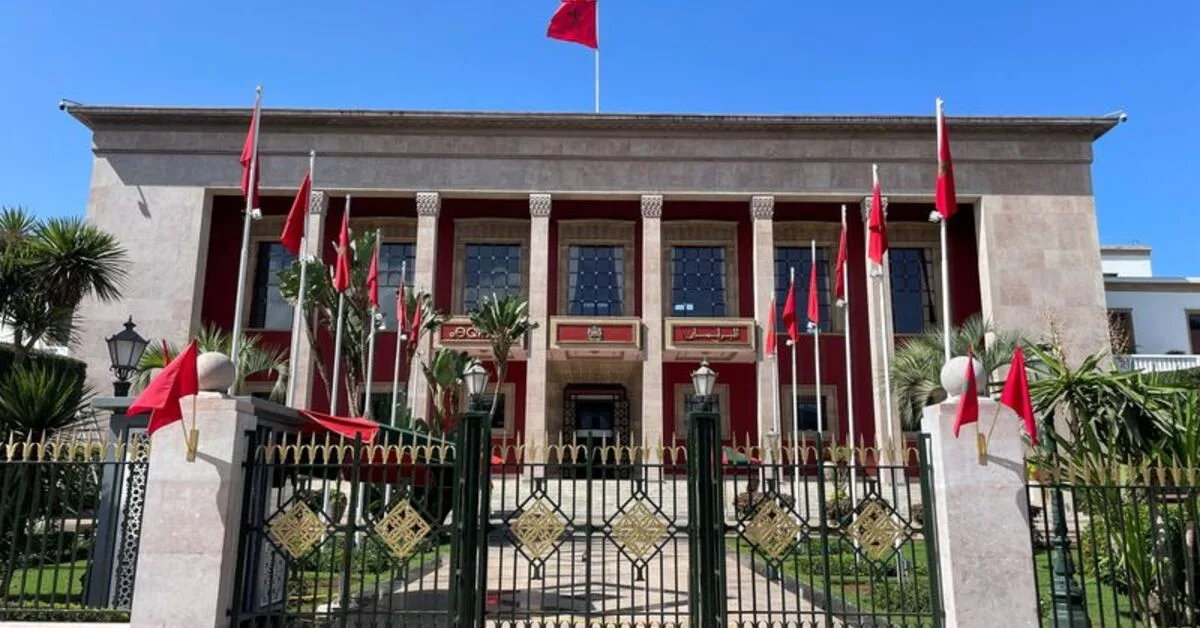
The Liberal-Center Party in Morocco, which has recently benefited from the support of sports figures, achieved a significant victory in the recent parliamentary elections. This party, led by individuals such as Fatima Zahra Mansouri, is recognized as a key player in this election. According to preliminary results, this election will not bring fundamental changes to the political balance of the country, as Morocco is a constitutional monarchy and the king still has extensive powers in foreign policy and other key matters.
Impact on Major Projects and Economic Policies
The future parliament will be responsible for shaping the government, which will oversee the final stages of $20 billion projects in preparation for the 2030 World Cup. Morocco, along with Portugal and Spain, is hosting this event. This election is also seen as an opportunity to implement economic policies to address the grievances of the youth. These grievances peaked especially after the border crisis last summer and the deadly protests by youth last year.
Read more: Turkey agrees to hand over the controversial Bashiq base to Iraq
Prominent Figures in the Election and Political Future
Fouzi Lekjaa, recognized as a key figure in the success of the Moroccan national football team, is being considered as a potential candidate for the prime ministership. He has played a very effective role in elevating the national football team to global fame and is now seen as a strong option for the country's future leadership. Additionally, Fatima Zahra Mansouri, the current leader of the party, is also being mentioned as another candidate for government leadership, which, if appointed, would make her the second woman in the history of Arab countries to achieve this position.
The Liberal-Center Party (PAM), established in 2008, is recognized as a balancing force against the Islamic Justice and Development Party (PJD). This party has shaped the country's policies with an emphasis on social modernization and secular views. Meanwhile, the National Rally of Independents (RNI), currently a coalition government partner, has secured second place in this election and has lost its leadership position.
The current prime minister, Aziz Akhannouch, who has led the government since 2021, did not participate in this election after stepping down from the leadership of RNI. PAM has also proposed significant promises, including a $37 billion investment to create one million new jobs and improve healthcare and educational services.
Preliminary results indicate that the Liberal-Center Party has gained 97 seats out of 395 in parliament, showing significant growth compared to the previous election in 2021, where it secured 87 seats. Currently, this party is leading the elections, followed by the RNI with 66 seats and the nationalist Istiqlal Party with 65 seats. The Islamic Justice and Development Party has also significantly increased its seats to 54 from the previous 13.
Voter turnout in this election, seen as an indicator of trust in electoral institutions, has decreased to about 38%. This is in contrast to approximately 50% in the last five years' elections. Of the 27 million eligible Moroccan citizens, only 15.8 million have registered to vote, reflecting a decrease of about 12% from the previous election.
Read more: Senator Jean Shaheen urges Trump to compel China to stop supporting Iran · High-scoring win for Brighton against Arsenal in the English Premier League