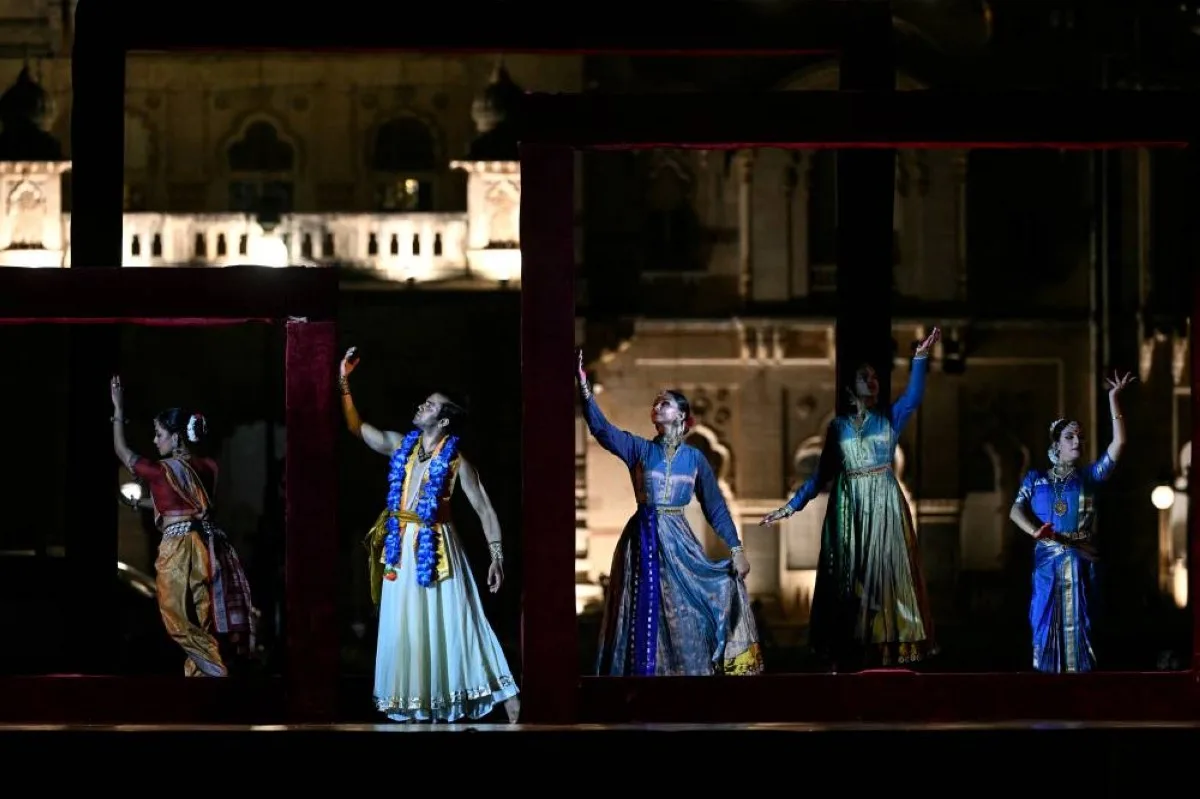
Maharani Baroda, Radhikaraja Gaekwad, welcomes guests in a grand palace in western India with fragrant petals and torch dances that narrate Hindu myths. As a modern woman and entrepreneur in a world once ruled by her ancestors, she points to the new role of Indian royal families.
Social and Cultural Transformations
Radhikaraja Gaekwad (48 years old) stated in an interview at the Lakshmi Vilas Palace: "The key to our success is adaptability." She explains how former Indian royal families have been able to take on new roles, including cultural ambassadors and politicians. "I have always tried to bring about changes for the betterment of society." These changes include preserving traditional arts and promoting cultural identity, which she believes can help people return to their roots.
The Role of Royal Families in Politics
During British rule, there were over 565 princely states in India, which controlled about 40 percent of the country's territory. Baroda, now known as Vadodara, was one of the most powerful states. Historian Manu S. Pillai says: "This cultural center has been used by generations of previous Maharajas to enter active politics." The Hindu nationalist government led by Narendra Modi has relied on India's royal history to strengthen its national narrative. Modi's party includes prominent lawmakers such as Jyotiraditya Scindia, Minister of Communications from the Gwalior family, and Diya Kumari, Deputy Minister of the Rajasthan government from the Jaipur royal family.
Last year, Modi laid the foundation stone for the "Museum of Royal Kingdoms" worth $39 million near Vadodara. This museum is located next to the world's tallest statue, the 182-meter memorial of Sardar Vallabhbhai Patel, which Modi inaugurated in 2018 to commemorate his role in uniting the princely states with India.
Some visitors have differing opinions about the current role of royal families. Aarti Shukla from Vadodara says: "I have great respect for royal families," while Nishant Kulkarni, a banker from Mumbai, looks at it skeptically and says: "I only came to see this big statue."
Heritage and Art
Many former royal families present themselves as guardians of traditions. Siddhant Mohta, director of Supan, which holds cultural exhibitions in royal venues including the Vadodara Palace, says: "Royal families act as custodians of heritage." He refers to the restoration of the Maharaja Fateh Singh Museum, which houses over 30 works by the famous 19th-century painter Raja Ravi Varma.
Radhikaraja Gaekwad is also active in social entrepreneurship, including launching a café run by transgender individuals and supporting handicrafts and traditional customs. Her father, Ranjit Singh Jhala, 87 years old and from the Vankaner royal family, is recognized as a civil servant and has played a role in drafting wildlife protection laws in India.
Akshita Bhanja Devi, daughter of the 47th ruler of the Bhanja family in Odisha, is seeking to find more modern meanings of historical titles. She has turned her palace into a hotel and established a support foundation for marginalized groups. She says: "Many former royal families see themselves in a space where they can create a sense of community. We are merely storytellers between the past and the future."