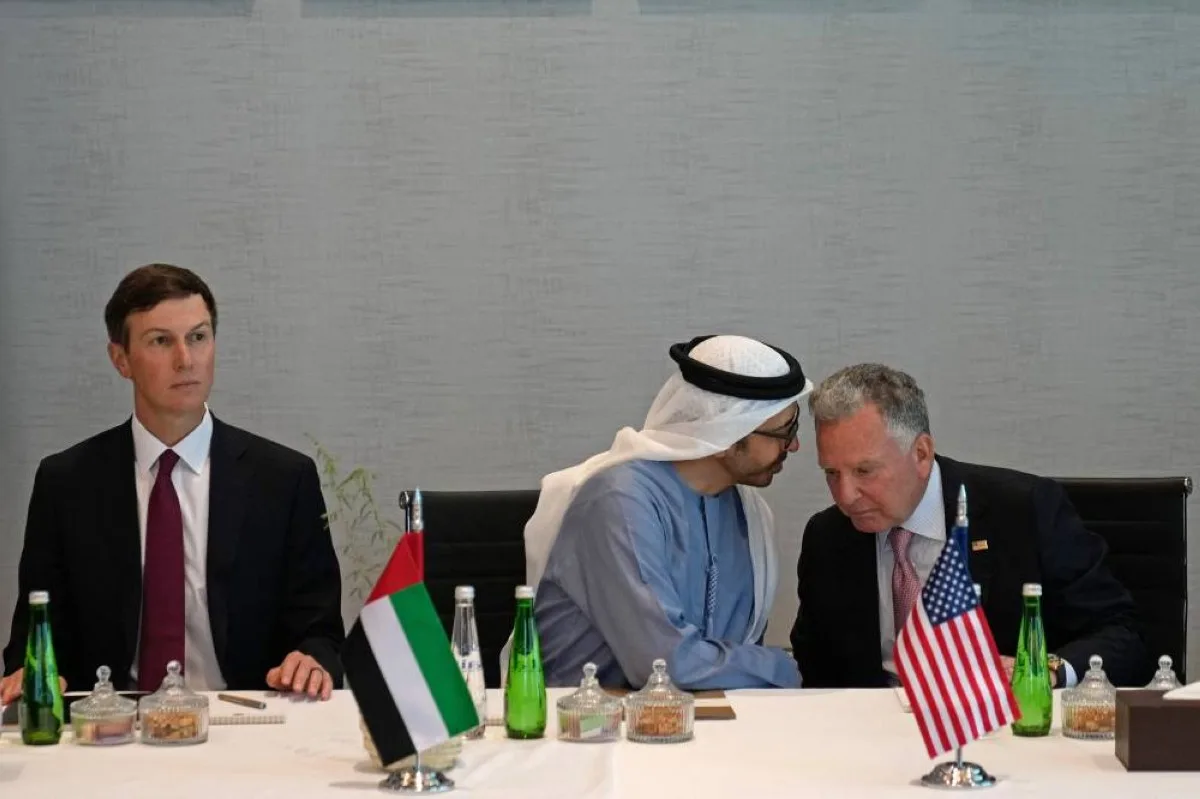
The peace talks between representatives of Russia, Ukraine, and the United States entered their second day on Wednesday in Abu Dhabi. These sessions, regarded as the first official negotiations between the parties involved since the war began in February, have raised hopes for finding a solution to the ongoing tensions, but no signs of significant progress are visible yet.
Details of the Negotiations and Positions of the Parties
Rustem Umerov, Ukraine's chief negotiator, announced in a message that the second day of negotiations would begin with a trilateral format involving representatives from the United States and Russia. Following that, separate negotiations with European partners are also planned. While Volodymyr Zelensky, the President of Ukraine, and Vladimir Putin, the President of Russia, are not present at these talks, Zelensky has stated that the discussions on Monday included topics related to humanitarian and security issues.
Read more: Russia and Ukraine in US-backed Talks to End the War
Marco Rubio, the US Secretary of State, described the first day of negotiations as very constructive but did not provide further details. The second day of talks is the last day officially scheduled.
Challenges and Ongoing Tensions
Despite general optimism from US President Donald Trump, no signs of major agreements or new advancements in these negotiations are observed. While the parties continue to exchange fire overnight, Russia has reported that several major power stations in four central regions of Ukraine have been attacked. Additionally, the Russian Ministry of Defense announced that its forces targeted a cargo ship in the Black Sea, which they claimed was carrying weapons and military equipment for Ukrainian forces.
Meanwhile, Zelensky reiterated Ukraine's refusal to surrender to Russia's demands for the cession of the Donbas region. Russian advances at the front have slowed this year, but Moscow continues its bombardment of Ukrainian cities and energy facilities, while Ukraine has also intensified its attacks on Russian oil facilities and other infrastructure.
Reports indicate that Russian Foreign Minister Sergey Lavrov emphasized the need to establish a broader security framework in Europe before delving into the details of the war. On the other hand, Ursula von der Leyen, President of the European Commission, believes that broader security negotiations should take place after a ceasefire is established. Lavrov rejected this view, stating that Europeans are trying to create breathing space for Ukraine.
Finally, the Kremlin announced that the Russian delegation in Abu Dhabi has had no contact with European representatives and no such contacts are planned for the future. Dmitry Peskov, the Kremlin spokesperson, also stated that Vladimir Putin is continuously informed about the Russian delegation's negotiations.
Read more: Azerbaijan: Afsanay Biaramova and Her Dog Searching for Mines to Rebuild Villages · Russia and Ukraine Negotiations Mediated by the US in Abu Dhabi